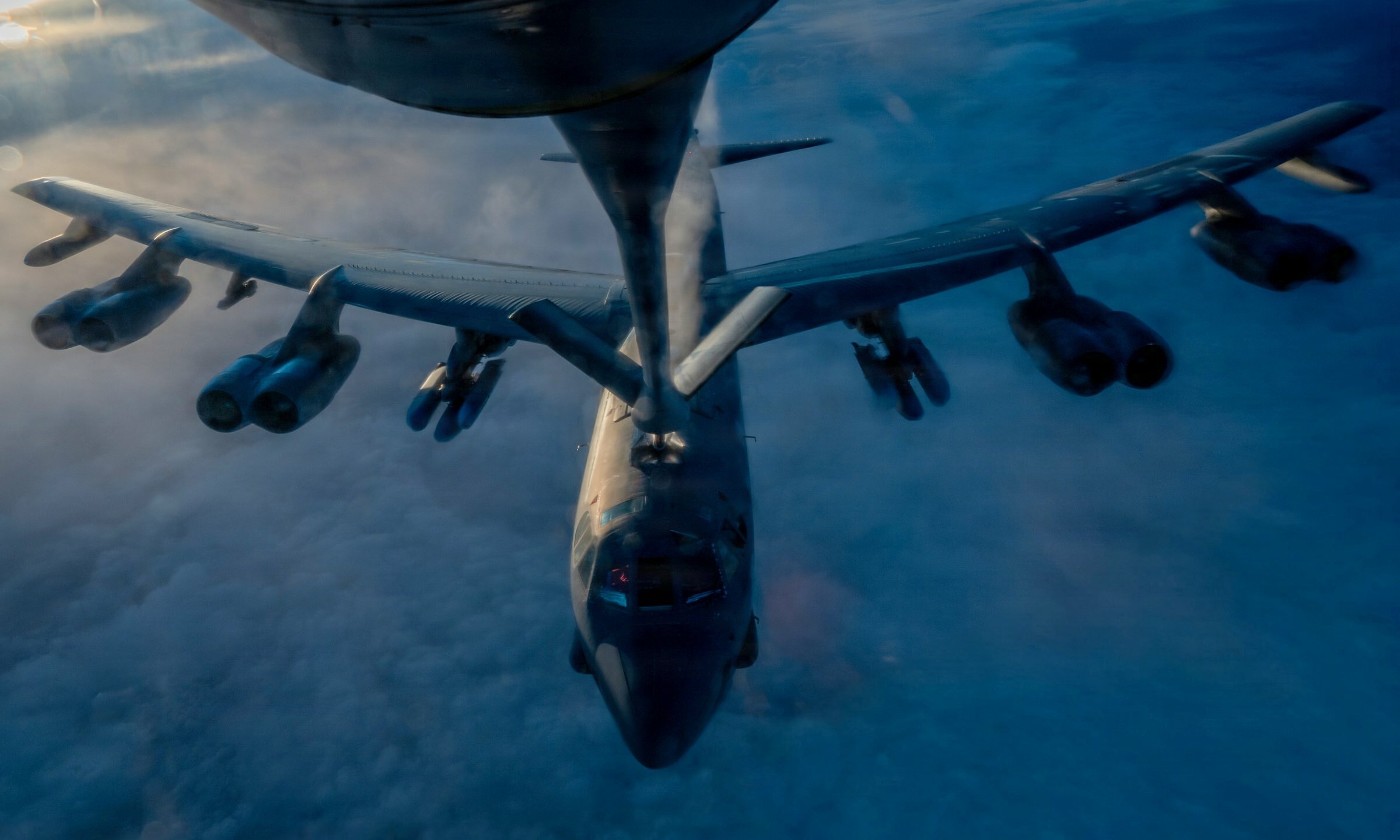
A series of large explosions rocked Isfahan, a key military and nuclear center in central Iran, on 31/3. The incident is suspected to be an airstrike carried out by the US military using powerful bunker-buster bombs, each weighing nearly one ton, targeting an ammunition depot. The Wall Street Journal cited a US government official confirming the use of these bombs.
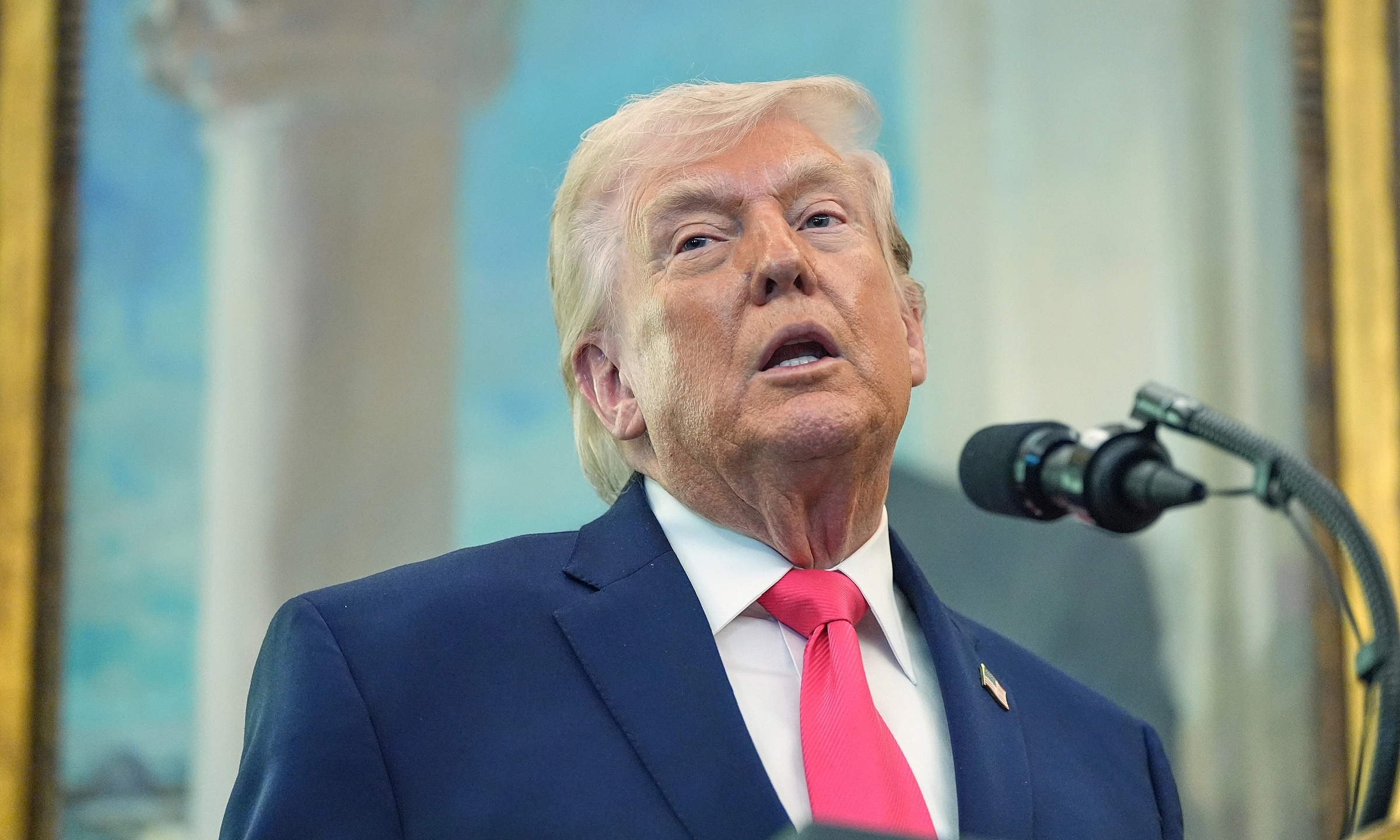
US President Donald Trump released a 31-second video on 31/3, showing multiple large explosions illuminating a city's night sky, accompanied by significant fires and tall smoke plumes. Trump did not provide any comments or disclose the time or location of the footage. The sequence of explosions and numerous debris flying high suggested a chain reaction may have occurred.
Based on geographical identification markers, CNN reported that the event took place in Isfahan, the capital of its eponymous province. Iran's Fars News Agency later quoted Akbar Salehi, a security official from the Isfahan Governor's Office, confirming that several military facilities in the city were targeted, though specific locations were not disclosed. Local authorities are currently assessing the extent of damage and casualties from the incident. The Pentagon has not yet commented on the information.
The attack occurred just hours after President Trump threatened to "blow up and wipe out entirely" Iran's power plants, oil wells, desalination plants, and Kharg Island if the country failed to reach an agreement with the US and immediately reopen the Strait of Hormuz. On 29/3, Trump asserted that US forces had attacked over 13,000 targets on Iranian territory, primarily to degrade the adversary's offensive capabilities, adding that the US target list for the operation still included approximately 3,000 objectives.
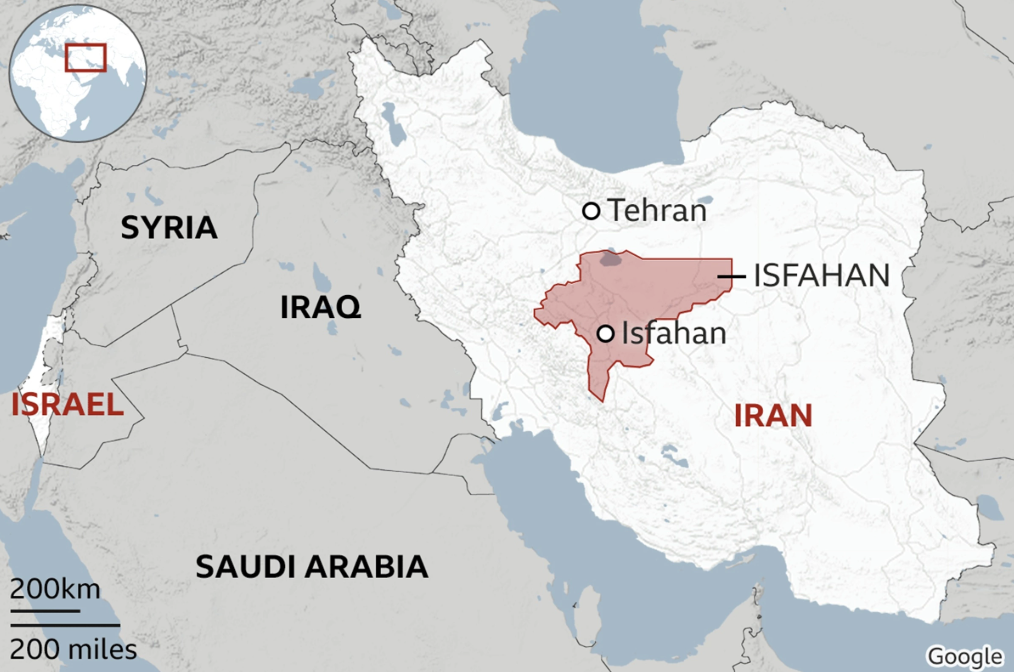 |
Location of Isfahan province and its eponymous city in Iran. Graphic: BBC |
Despite repeated declarations by US leaders that Iran's military capabilities had been largely eliminated, the country continued to launch successive retaliatory strikes against US-stationed bases, as well as targets in Israel and Gulf states, causing significant damage. This indicated that Tehran still possessed enough missiles and drones to inflict losses, create chaos, and make adversaries pay a heavy price, while also signaling their robust combat capability after more than one month of conflict.
Thanh Danh (According to Reuters, CNN, WSJ)