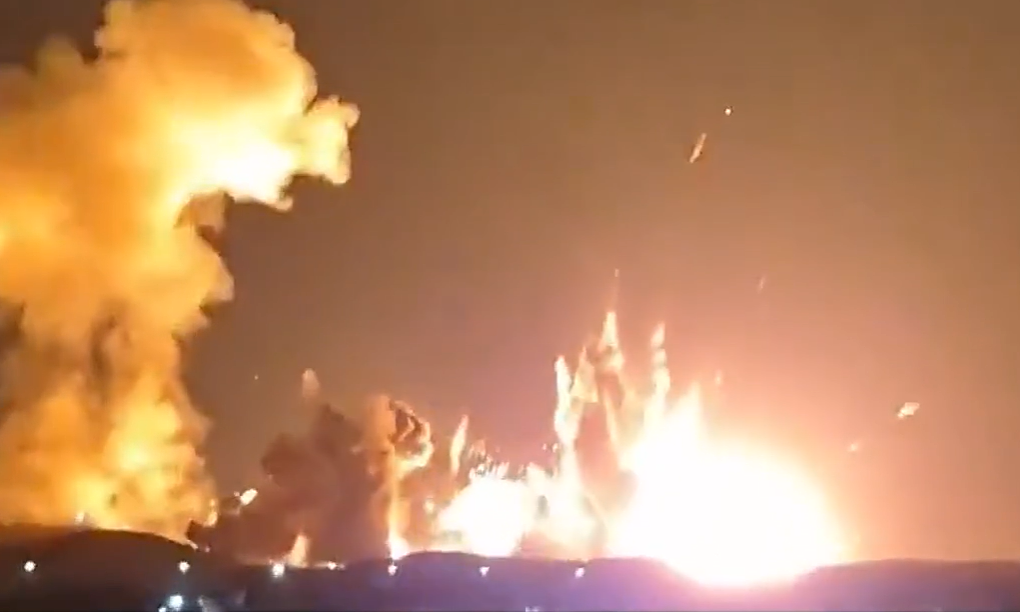
President Donald Trump issued a stern warning on social media on 30/3, threatening "devastating strikes" against Iran's energy infrastructure and water security. The warning comes with a condition: Tehran must swiftly accept a deal with Washington and immediately reopen the Strait of Hormuz.
"We will end this 'friendly visit' to Iran by blowing up and wiping out all their power plants, oil wells, and possibly even their desalination facilities along with Kharg Island. We had previously intentionally avoided these targets," Trump wrote.
President Trump also stated that the US is in serious dialogue with "a new, more thoughtful administration in Iran" aimed at ending the conflict.
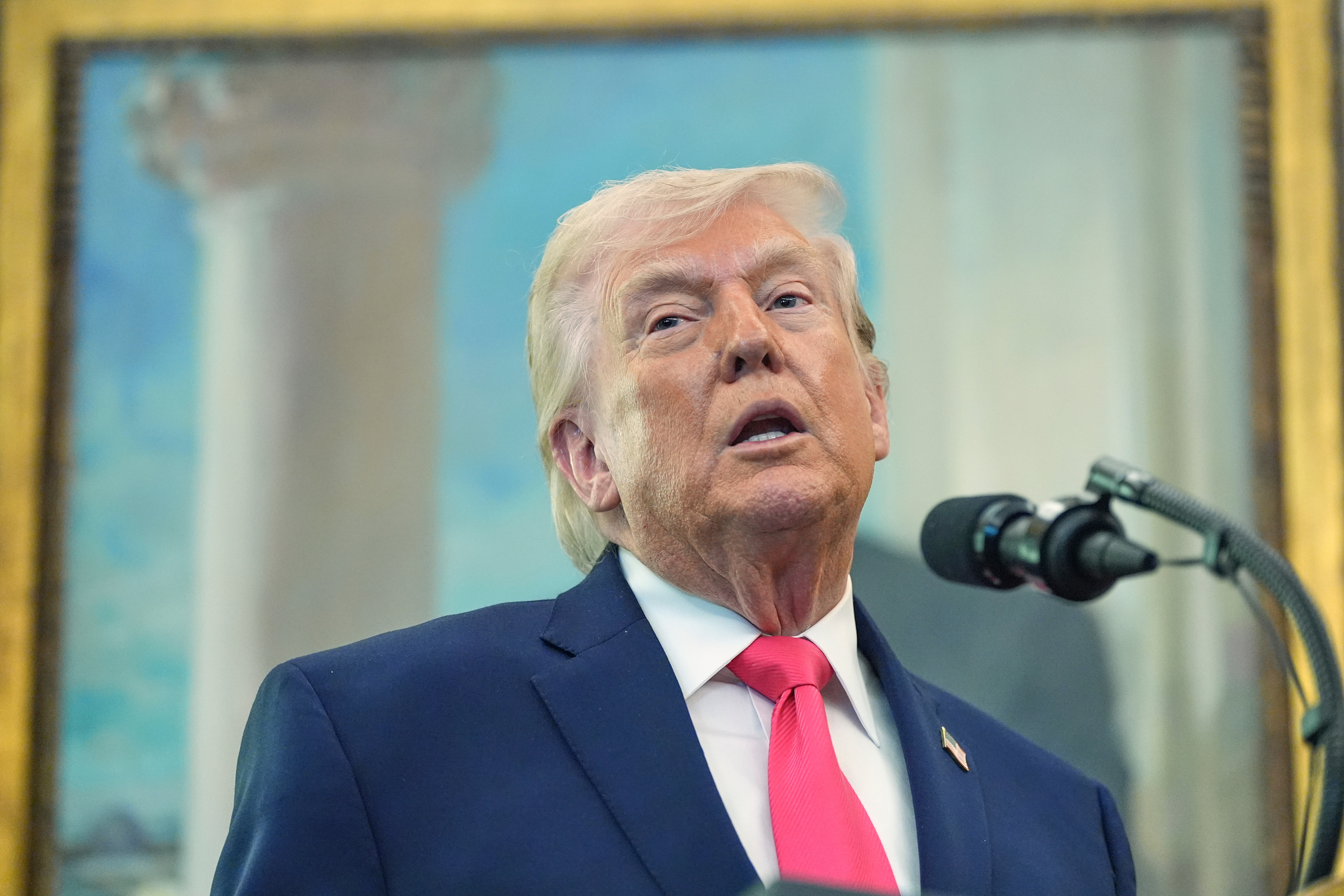 |
President Donald Trump speaks at an event at the White House on 24/3. *Photo: AP*
Tehran, however, has consistently rejected Trump's claims of ongoing negotiations. The Iranian Foreign Ministry spokesperson, Esmaeil Baqaei, asserted that "there have been no negotiations with the US" in the past month.
Baqaei emphasized that Iran is dedicating its resources to defense against US military activities, reminding Washington that Tehran has not forgotten past failed diplomatic efforts.
White House Press Secretary Karoline Leavitt addressed concerns that targeting civilian facilities like desalination plants could violate international law. She affirmed that the US military will always act "within the framework of the law," explaining that President Trump is applying pressure to compel Iran to negotiate. Leavitt also warned that US military capabilities "far exceed imagination."
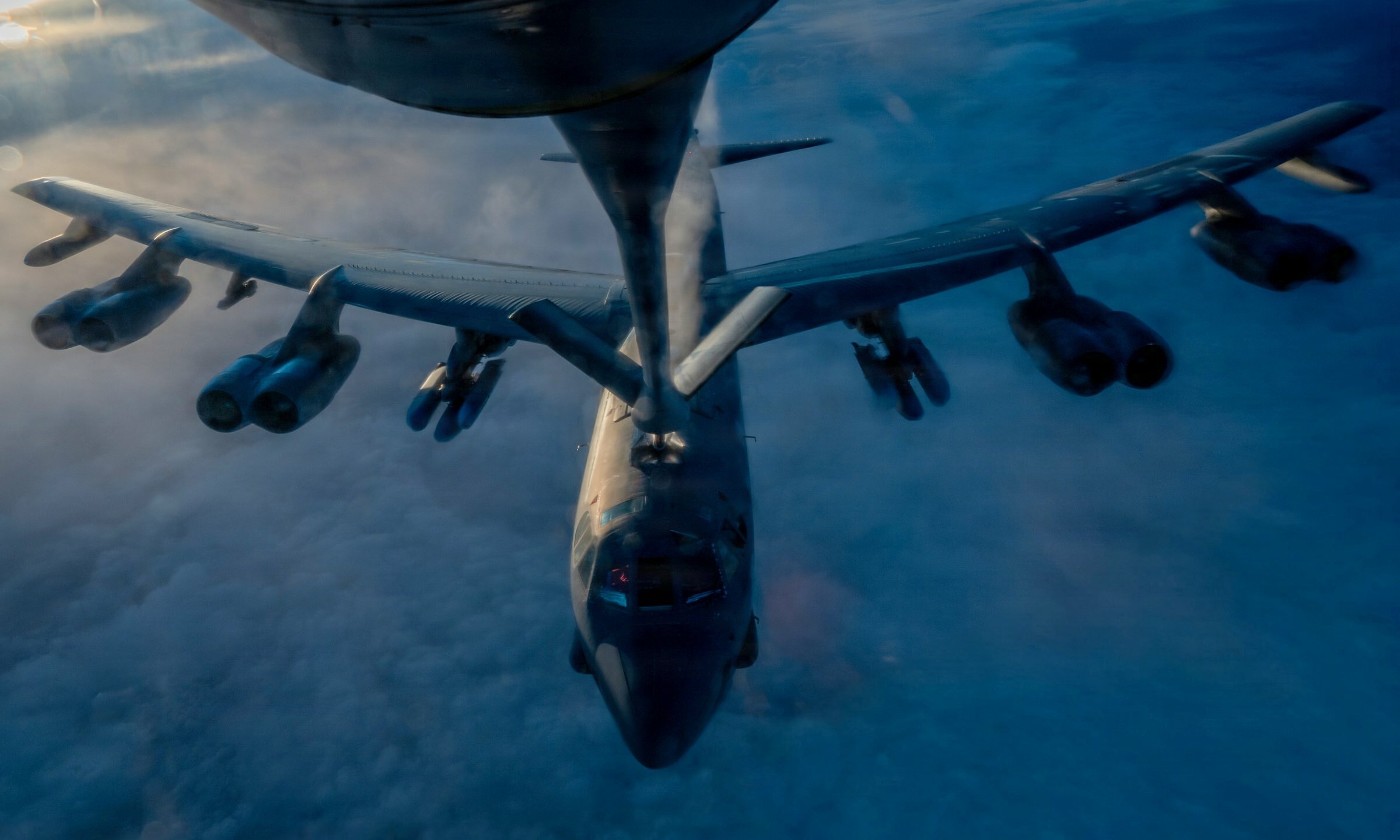
A White House official confirmed the deployment of thousands of infantry soldiers to the Middle East, a move intended to "maximize the diversification" of options for President Trump. Despite the military posturing, the official stressed that Washington continues to pursue a diplomatic solution.
When questioned about Trump's intentions—whether to end or escalate the conflict—Leavitt stated that the US President is focused on the campaign's objectives, reiterating that diplomacy remains the number one priority. She added that while Trump is open to listening if an agreement is possible, this would not alter the stated military objectives.
This latest threat follows a series of ultimatums from Trump. On 21/3, he demanded Iran open the Strait of Hormuz within 48 hours, threatening to disable the nation's entire power grid if they failed to comply. Hours before the deadline, the US President extended it by five days, claiming negotiations were underway to end the conflict.
Iranian leaders immediately denied any negotiations with the US. Yet, after the five-day period, President Trump again extended the deadline by 10 days, asserting that Iran "is very eager to reach an agreement." Tehran also denied this subsequent claim.
Thanh Danh (*According to CNN, Reuters*)