Nepal's Finance Minister Swarnim Wagle announced today that preliminary estimates for recovery from the devastating flash flood on 26/8 are approximately 4-5 billion USD. This figure, he noted, refers to the funds required to address the aftermath of the tsunami-like event. With Nepal's 2025 GDP projected by the World Bank to exceed 45 billion USD, the estimated damage represents 10% of the nation's economy.
Nepali authorities confirmed today that 626 people have died in the country following the flash flood, with an additional 2,426 reported missing. Neighboring China also reported 7 fatalities and 554 missing individuals from the disaster.
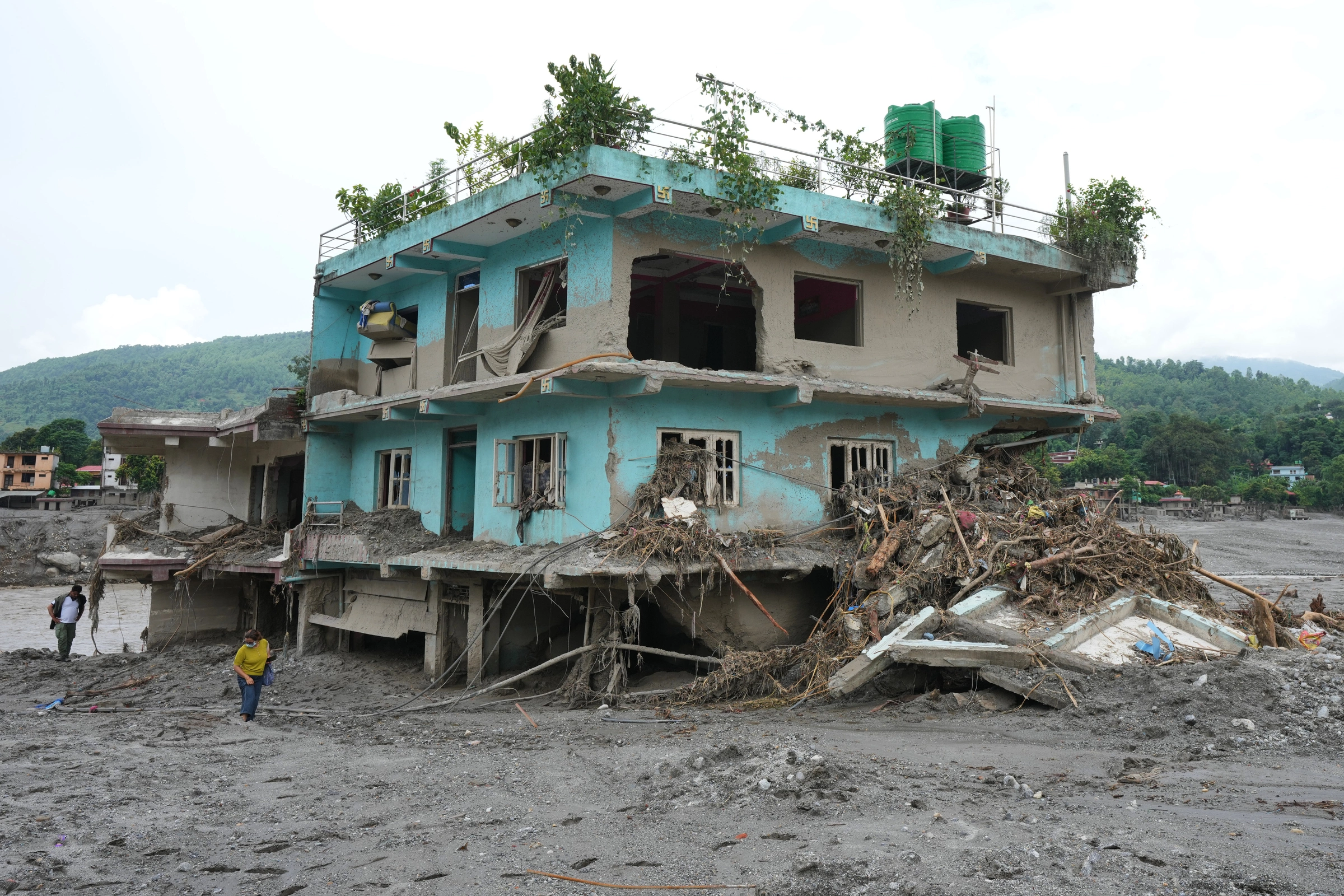 |
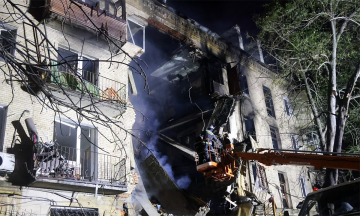
A severely damaged house in Nuwakot district, Nepal on 29/8. *Photo: AP*. |
The 26/8 flash flood was triggered by a glacier collapse, unleashing a colossal surge of water into the valleys below. These floodwaters tore down steep terrain at speeds over 160 km/h, sweeping away gravel, boulders, and large tree trunks, generating waves up to 21 m high.
The flash flood obliterated several towns in border regions, destroyed bridges and roads, and significantly damaged major hydropower plants.
Rescue teams are racing against time to evacuate survivors from affected areas, where food and water supplies are rapidly dwindling. The search for missing individuals faces increasing challenges due to the threat of further flooding. Mudslides have blocked river flows, creating unstable upstream lakes that pose a continuing risk.
In Rasuwa district, one of the hardest-hit areas, local official Narendra Pariyar reported that search and rescue operations have been suspended due to persistent rain and dense fog. He emphasized that the immediate priority is to establish a road link to transport rescued pilgrims to the capital, Kathmandu.
Nepali officials confirmed that some recovered bodies are severely decomposed and unidentifiable. These will be buried after legal procedures, a measure taken to mitigate public health and disease risks. Authorities in Chitwan district announced, "We will collect DNA samples and bury the bodies in an open plot of land."
On the evening of 28/8, Nepal's Foreign Minister Shisir Khanal outlined the country's urgent need for international assistance. This includes support for rescuing individuals trapped in tunnels, restoring transportation infrastructure, identifying bodies, DNA testing, and long-term body preservation. Khanal stated, "We have sent requests for support with specific and technical services in areas where Nepal lacks expertise and capacity."
Minister Wagle further stated that the recovery costs are expected to be significantly lower than those incurred after the 2015 earthquake, though he did not provide specifics. Officials are currently assessing the full extent of the damage.
In 2015, Nepal allocated approximately 9 billion USD for recovery efforts following a devastating 7,8 magnitude earthquake. This disaster, the most severe in the nation's recorded history, claimed nearly 9,000 lives, destroyed over half a million homes, and inflicted damage estimated at one-third of Nepal's economy.
By Nhu Tam (AFP, Reuters)