On the night of 16/3, Azmat Ali Momand, a doctor at the Camp Omid drug rehabilitation center in Afghanistan's capital, Kabul, had just completed his patient rounds when loud explosions erupted.
Afghanistan's government spokesperson accused Pakistan of bombing the rehabilitation center, resulting in at least 400 deaths and 250 injuries. Pakistan immediately denied the claim, calling Afghanistan's government statement false and misleading. Pakistan stated it had "precisely targeted military facilities."
The shockwave from the bomb blast threw Momand, a 30-year-old doctor who had worked at the center for two years. "The ceiling collapsed, and I was injured on my head and legs," Momand recounted. He then struggled to the emergency area, where those injured in the blast were gathered. "I gave them first aid; many were seriously injured and transferred to other hospitals," Momand said.
When the bombs fell, Ahmad, a patient at Camp Omid, was with 25 roommates in the dormitory after prayer time. Flames quickly engulfed everything, and Ahmad was the sole survivor. "The entire place was on fire. It was like the apocalypse," he stated.
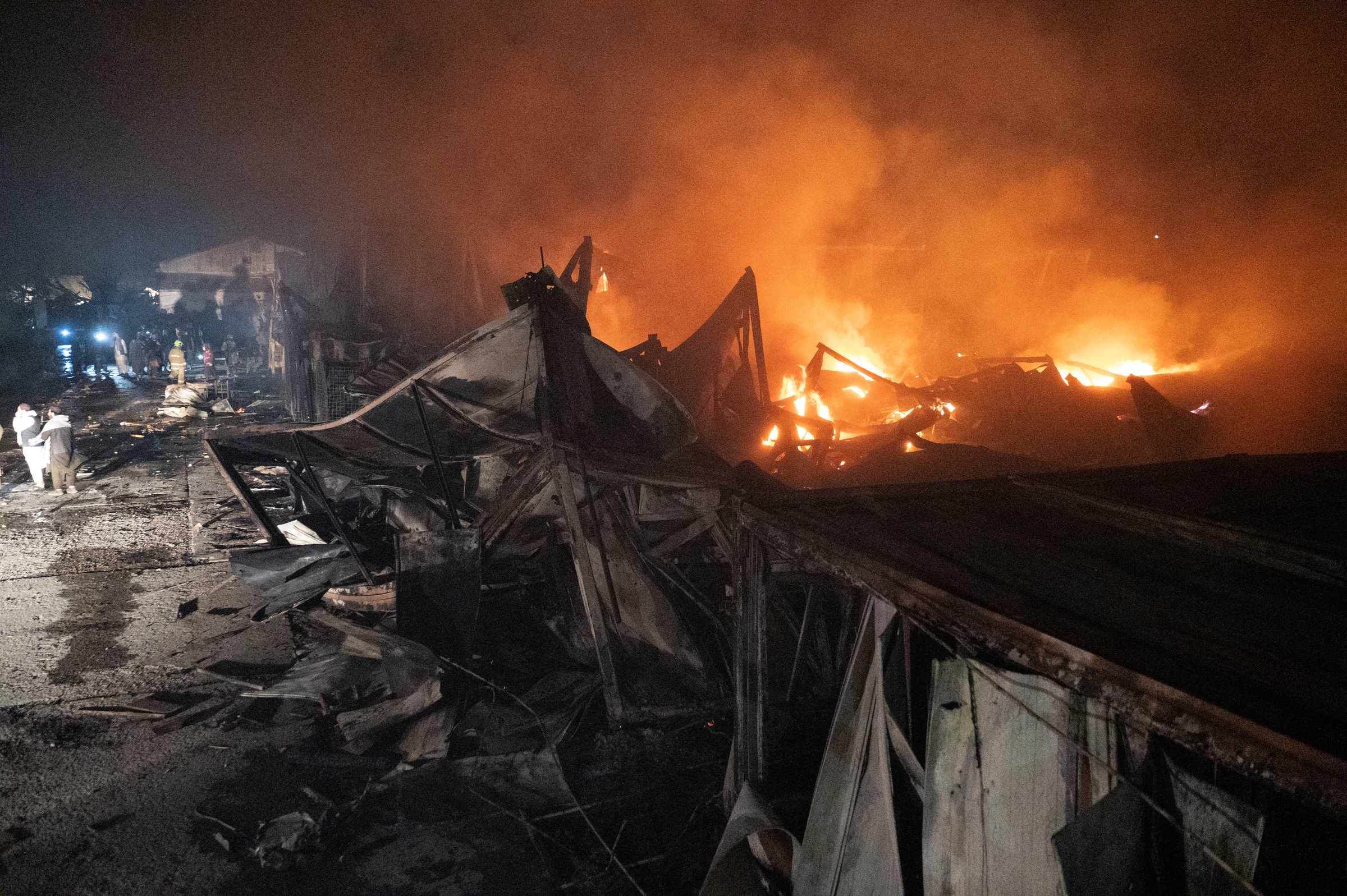 |
Flames erupted after the attack on the Kabul treatment center on 16/3. *Photo: AFP* |
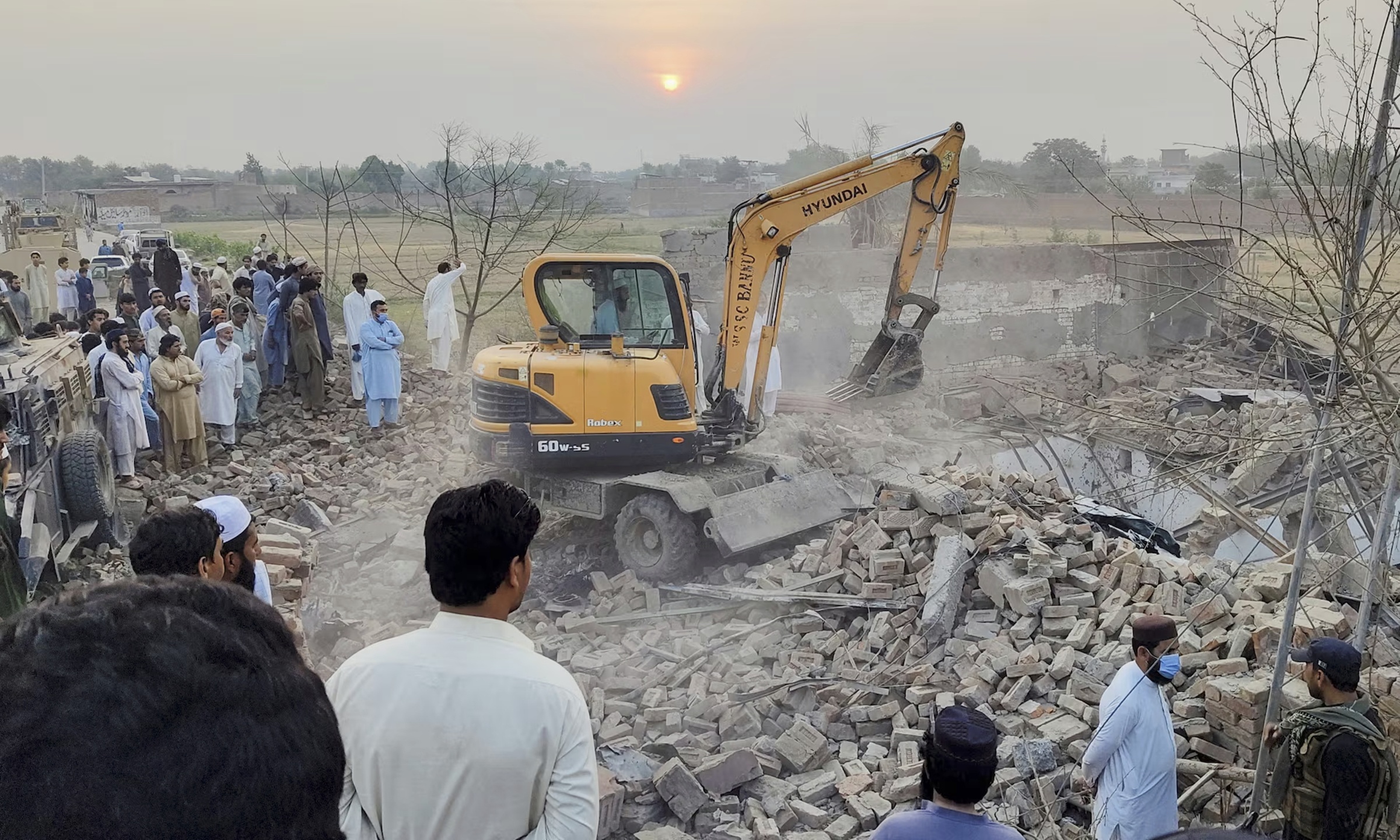
Mohammad Mian, who worked in the center's X-ray department, reported many deaths where the bombs struck. "It was horrible!" he said. The blackened walls of the one-story building bore witness to the fires. Elsewhere, structures were reduced to rubble, metal mixed with patient belongings like pillows, shoes, and clothes. At the time of the airstrike, about 2,000 patients were receiving treatment at the center.
Doctor Ahmad Wali Yousafzai recalled three loud explosions and immense pressure that threw some of his colleagues from one wall to another. He added that as the fire erupted, screams and cries for help echoed from every direction. "We had too few people to save all of them", he said.
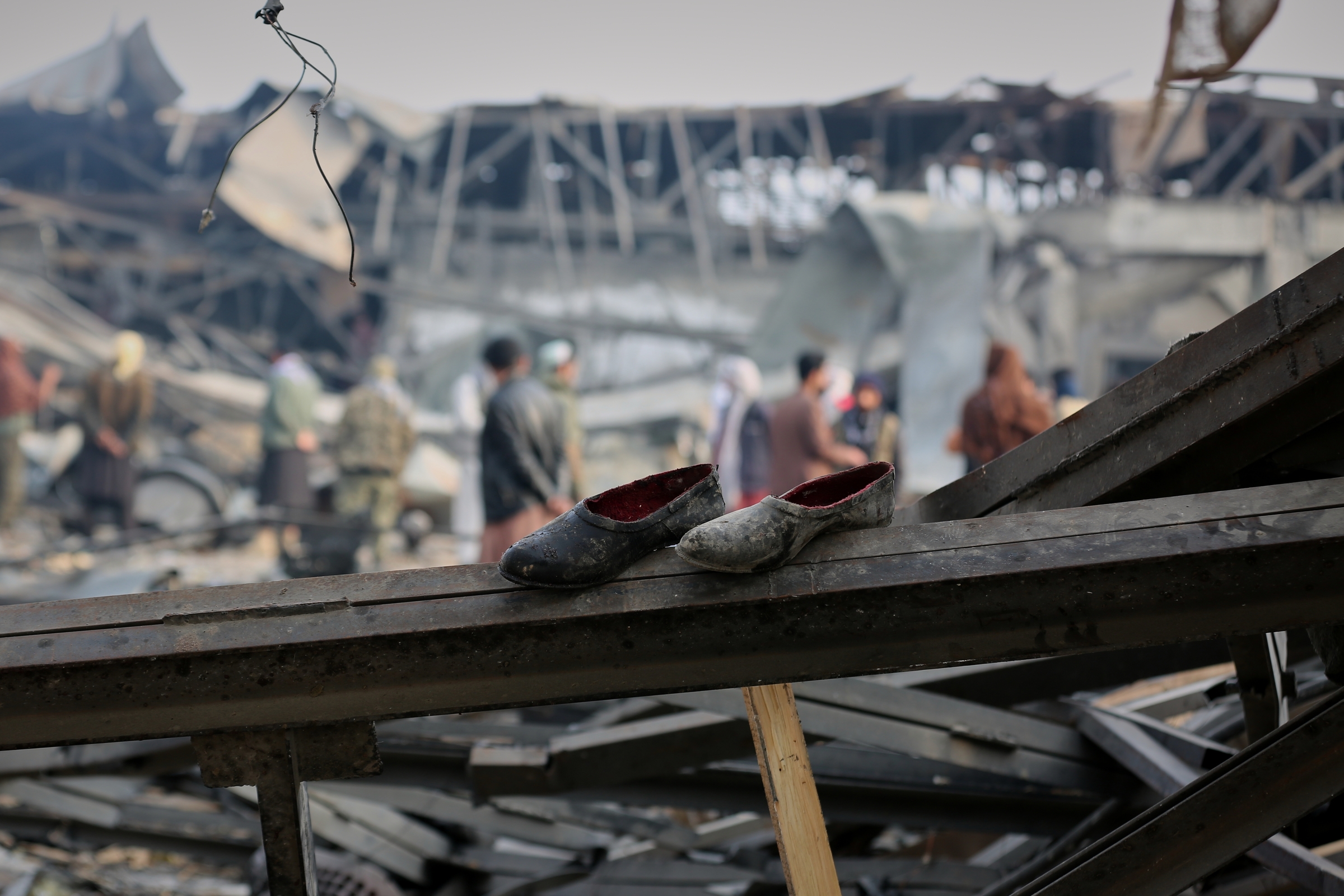 |
The scene of devastation after the attack on the Kabul treatment center on 17/3. *Photo: AP* |
Ambulance driver Haji Fahim was among those who transported victims' bodies to the nearby Afghan-Japan Hospital. He moved at least 8 bodies within 5 hours. "We are back here now. There are still bodies under the rubble," he said.
This was the latest development in the intense conflict between the two Muslim nations, which had escalated sharply during Ramadan, lasting from mid-February until now. Long-standing tensions between Pakistan and the Taliban government in Afghanistan, related to Islamic insurgent groups, erupted into conflict from 26/2. On that day, the Taliban launched a cross-border attack on Pakistani targets. Pakistan's military launched "unrestricted warfare" against Afghanistan on 27/2, conducting airstrikes on the capital, Kabul, and other areas in the neighboring country in retaliation. By late February, more than 300 people had died in clashes between the two sides.
Thanh Tam (According to Reuters, AFP)