A senior Pakistan official told Reuters today that Pakistan army chief Asim Munir's recent visit to Tehran has helped bridge gaps between the US and Iran on several issues, though fundamental disagreements persist concerning nuclear matters. The official expressed renewed hope for an extension of the ceasefire agreement and the scheduling of a second round of negotiations.
The two most contentious and unresolved issues in the ongoing peace talks remain the fate of Iran's enriched uranium stockpile and the question of how long its nuclear program can be limited. Pakistan's Foreign Ministry anticipates a significant breakthrough in the next round of US-Iran negotiations, but specific dates or locations have not yet been set. Islamabad also noted that stability in Lebanon would considerably impact the current negotiation process.
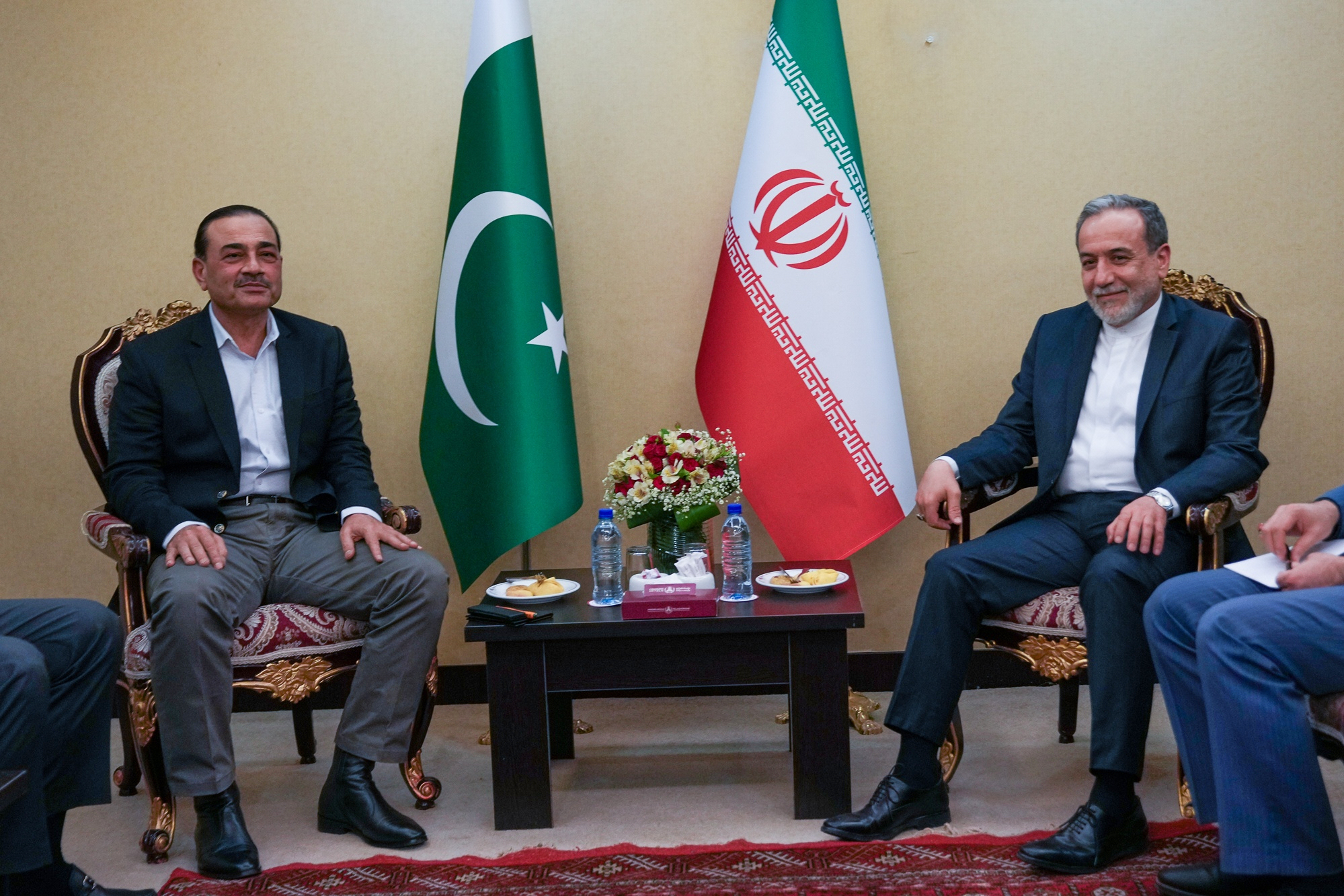 |
General Asim Munir (left) and Foreign Minister Abbas Araghchi in Tehran on 15/4. Photo: AP. |
General Munir arrived in Iran on 15/4, three days after US and Iranian delegations failed to reach an agreement in talks held in Islamabad. Following his visit to Tehran, Munir is expected to continue his diplomatic efforts in Washington, the capital of the US. Pakistan Foreign Ministry spokesperson Tahir Andrabi confirmed that Munir's visit is part of ongoing efforts to maintain communication with both sides to foster dialogue. Pakistan's Prime Minister Shehbaz Sharif is also touring several Middle Eastern countries to garner support for peace initiatives.
In an announcement regarding General Munir's visit on 15/4, Iran's Foreign Ministry spokesperson Esmail Baghaei stated that the Pakistan delegation "will discuss in detail" the demands of both the US and Iran in the peace talks. Iran's Foreign Minister Abbas Araghchi commended Islamabad's role in fostering dialogue, promoting peace, and ensuring regional stability.
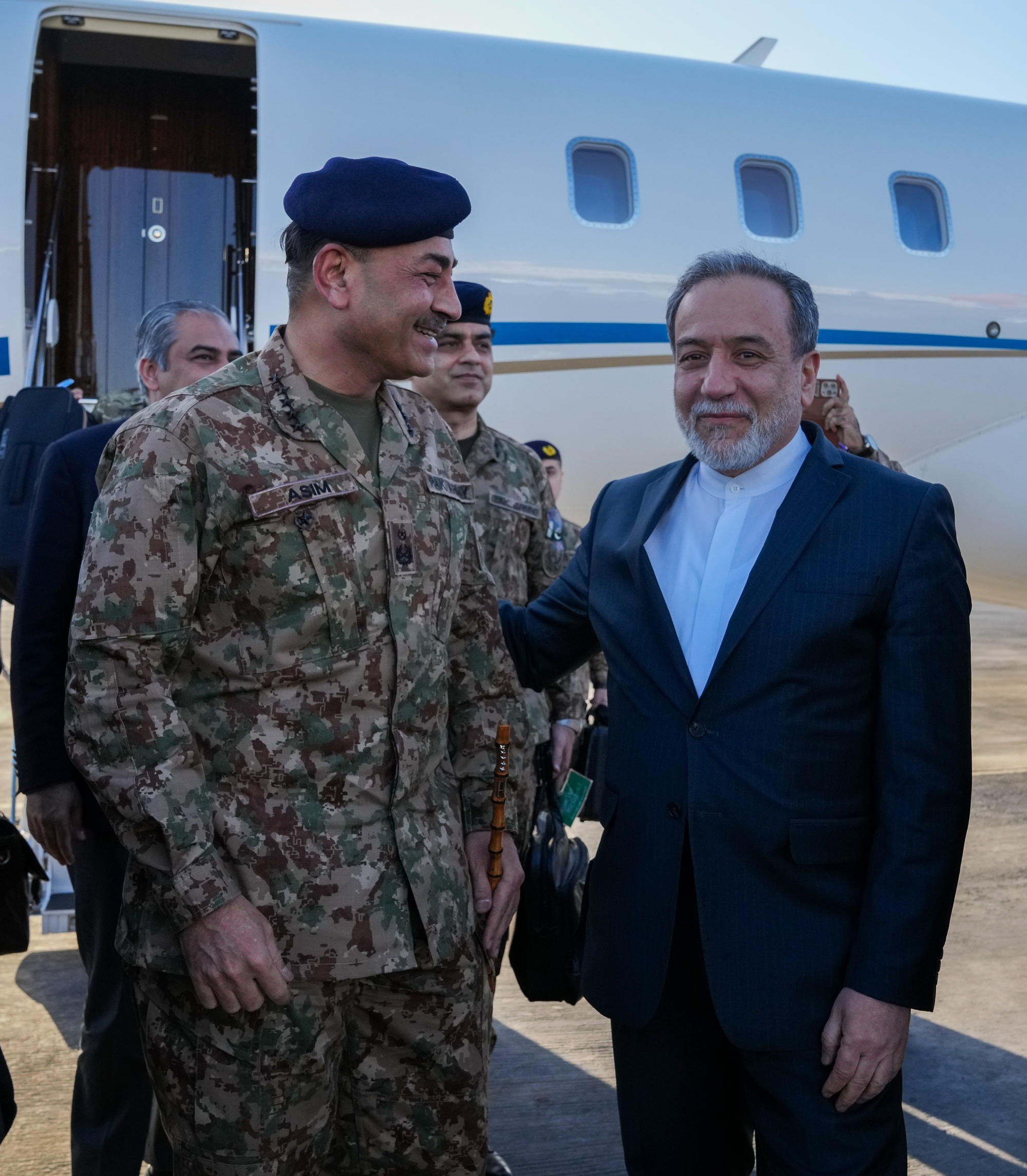 |
Pakistan army chief Asim Munir (left) arrived in Tehran on 15/4. Photo: AP. |
Al Jazeera, citing informed sources, reported that key issues being discussed through mediators include the duration of Iran's halt to uranium enrichment, with proposals ranging from 5-20 years. Additionally, the disposition of Iran's approximately 440 kg of highly enriched uranium is another pivotal issue. Options under consideration include transferring this uranium to a third country or reducing its enrichment level to prevent its use for military purposes.
By Thanh Danh (According to Reuters, Al Jazeera, Islamabad Post)