In recent days, the skies over Iran have been quiet, following US President Donald Trump's announcement of a halt to hostilities. Trump claimed this was at Iran's request to "create space for diplomacy" and that both sides were engaged in negotiations. However, Tehran has made it clear that it has not agreed to a ceasefire and is not rushing into direct talks with Washington.
On 28/7, Iranian Foreign Ministry spokesperson Esmaeil Baghaei stated that the country "currently has no negotiations with the US." He added that while Tehran has not abandoned diplomacy, information suggesting it proactively sought talks with the US is "fabricated."
Meanwhile, military leaders showcased battlefield achievements, asserting their dominance in the confrontation with the US. On 26/7, Ramazan Sharif, former spokesperson for the Islamic Revolutionary Guard Corps (IRGC), declared that the "enemy" had "suffered strategic defeats on all fronts."
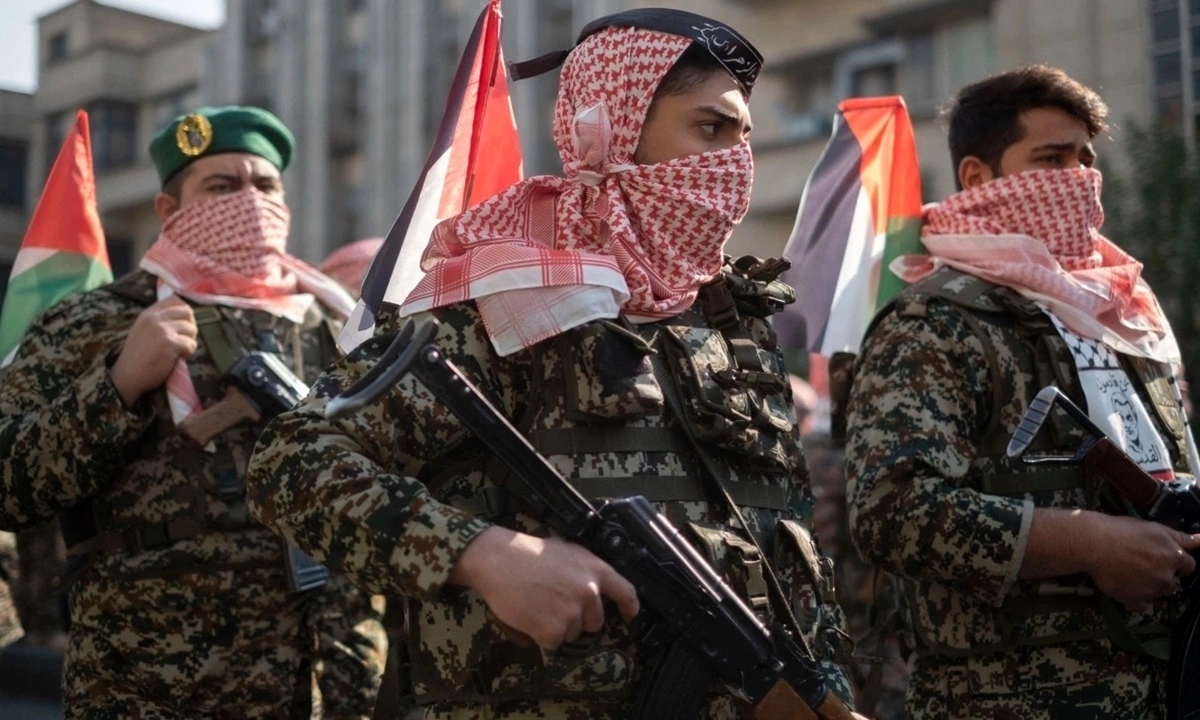 |
Members of the Islamic Revolutionary Guard Corps (IRGC) parade in Tehran in 11/2023. Photo: AFP |
Iranian diplomats appeared more restrained following the recent halt in hostilities, which came after two weeks of tit-for-tat exchanges. However, there are no indications they are ready to make concessions. "Currently, what is happening cannot be called a ceasefire," Baghaei stated at a press conference on 27/7.
Analysts believe this hardline stance is rooted in Iran's confidence. According to Gregory Brew, a senior Iran analyst at Eurasia Group, a New York-based political risk consultancy, both Iran's actions and statements in recent days indicate that its leadership intends to maintain the current ambiguous status with the US. They believe they can cope if conflict reignites and hold an advantage over President Trump. Iran's priority appears to be forcing the US to acknowledge its control over the strategic shipping lane through the Strait of Hormuz.
"They think time is on their side, that they can withstand pressure and losses better than Trump, and that he will eventually have to accept a deal that meets their demands without any concessions from Iran," Brew said.
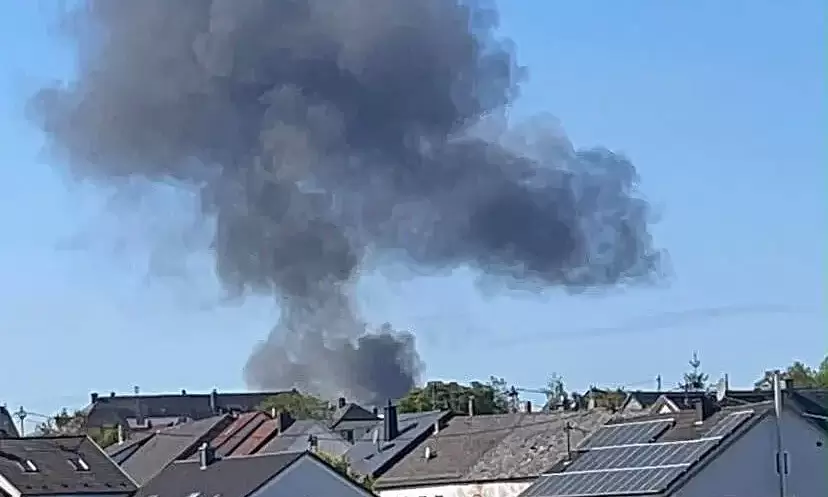
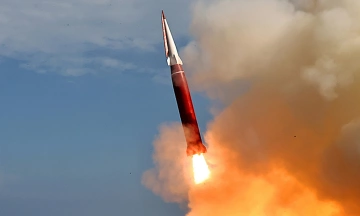
A day after Baghaei's statement, the US military reported that the IRGC had launched multiple ballistic missiles targeting its forces stationed in Jordan, all of which were intercepted. Oil prices surged due to the renewed fighting, leading to higher gasoline prices in the US. Previously, oil prices had fallen sharply after the US and Iran reached a ceasefire for peace talks.
Iran's calculations present the US President with difficult choices. On 29/7, Trump stated that the US would "hit Iran very hard" after the surprise attack on the base in Jordan. However, resuming hostilities carries risks. US media reported last weekend that officials are particularly concerned about the Pentagon's air defense munition stockpiles dwindling, which would complicate efforts to intercept Iranian retaliatory strikes. This is just one of many concerns unsettling US officials, alongside the risk of widespread conflict and the negative impacts of war on Gulf allies and global energy supplies.
According to Farzin Nadimi, a senior expert on Iranian military affairs at the Washington Institute, it is difficult to know the exact state of Iran's missile arsenal. He estimates that between the brief conflict with Israel in 6/2025 and the outbreak of the current conflict, Iran is believed to have produced between 700 and 1,000 solid-propellant ballistic missiles. Liquid-propellant and cruise missile production is harder to estimate. Nadimi stated that publicly available information on Iran's missile production is often fragmented. This means observers struggle to understand how Iran would manage if a full-scale war reignited.
Despite its tough rhetoric, the uncertain state of hostilities remains a significant challenge for Iran, Brew noted. Fighting could erupt again at any moment, a decisive agreement to end the conflict remains distant, and Iran's economy is almost certain to weaken further due to instability, war losses, and a US-imposed naval blockade. Therefore, Iran "certainly does not want to return to a conflict with no clear end in sight with both the US and Israel," Nadimi observed.
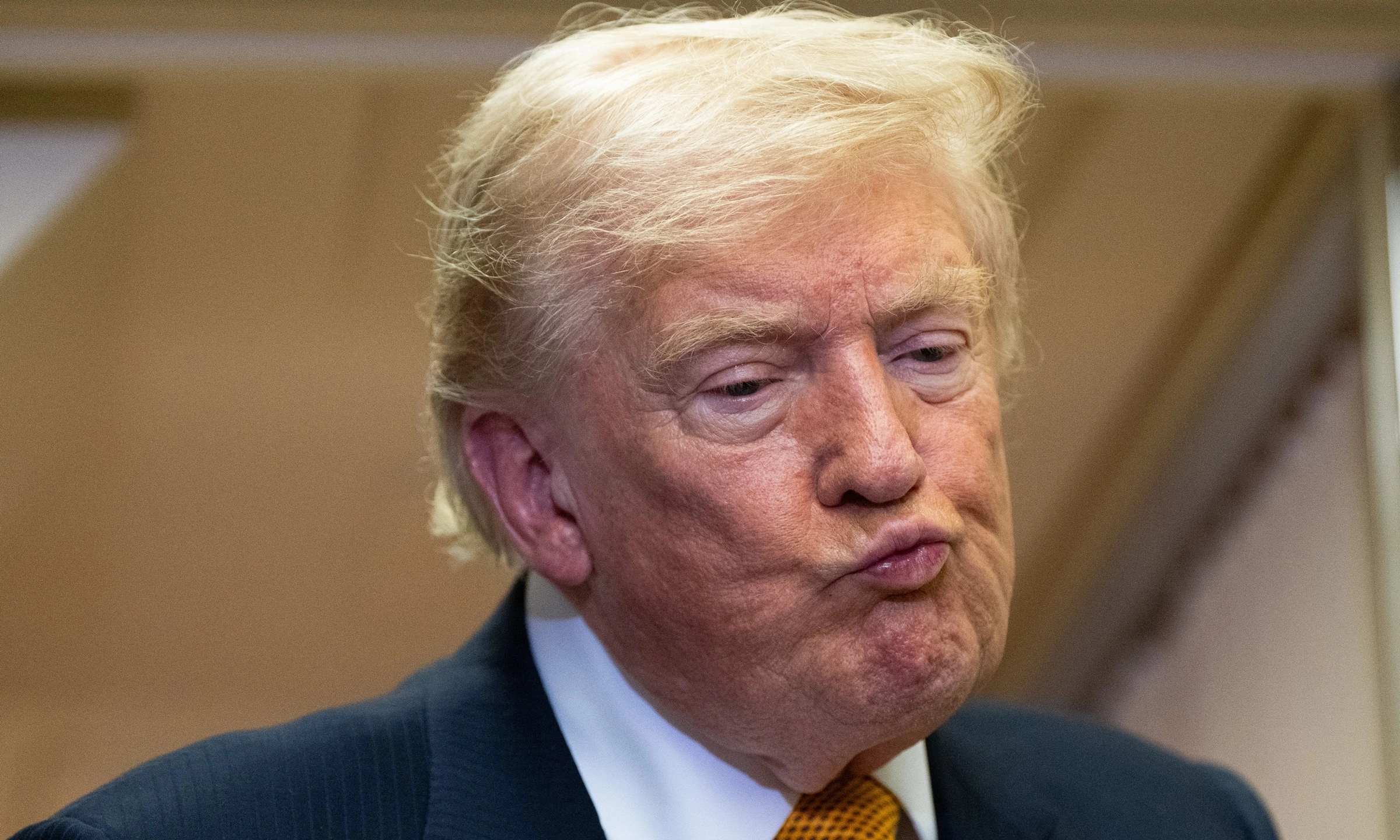 |
President Donald Trump aboard Air Force One on 8/7. Photo: AP |
Brew suggested that Iran risks overplaying its hand, as Trump increasingly loses patience with dialogue efforts. "For President Trump, escalating hostilities might be more acceptable than agreeing to a deal that grants Iran control over the Strait of Hormuz, and other nations are unlikely to accept paying tolls for ships," he said. "Nevertheless, both sides still have room to de-escalate if Iran is willing to accept a compromise solution regarding the future of this shipping lane."
Vu Hoang (According to Reuters, AFP, AP)