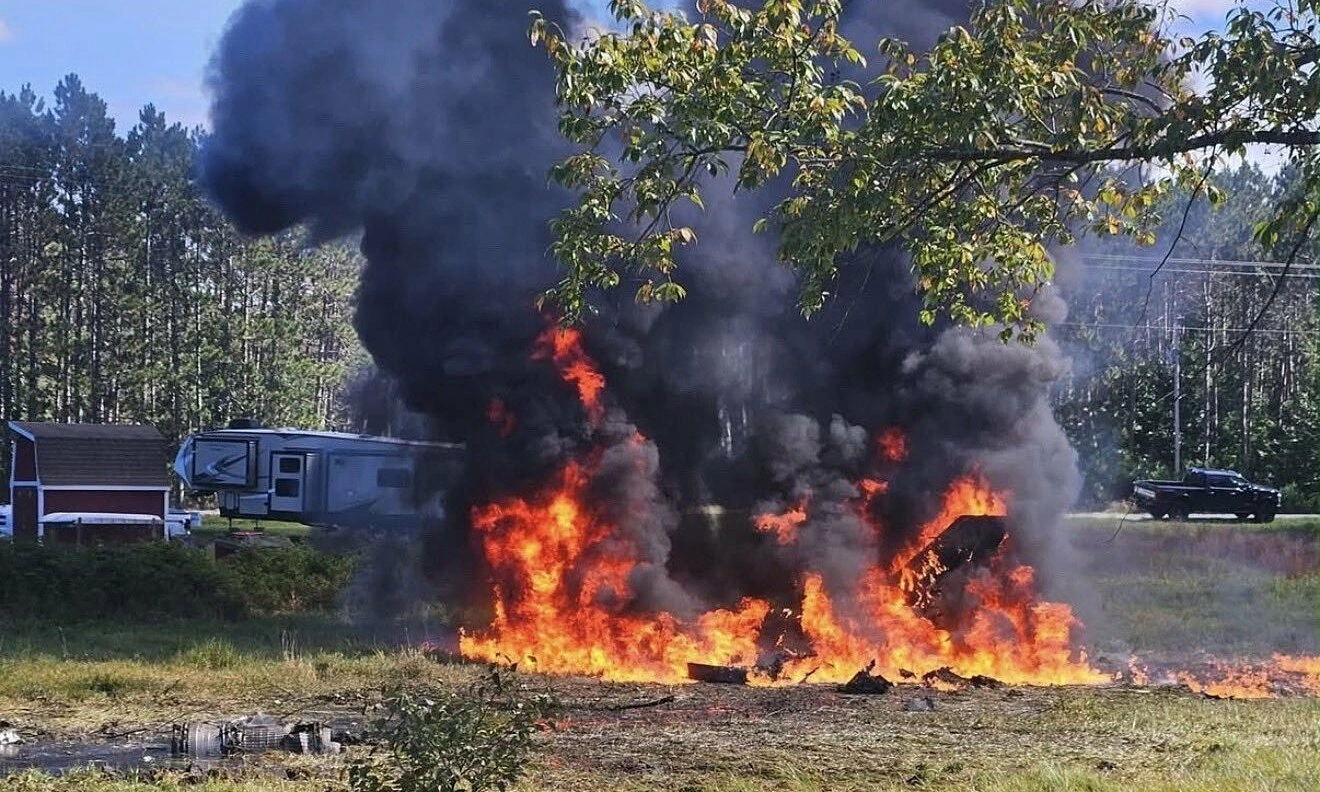
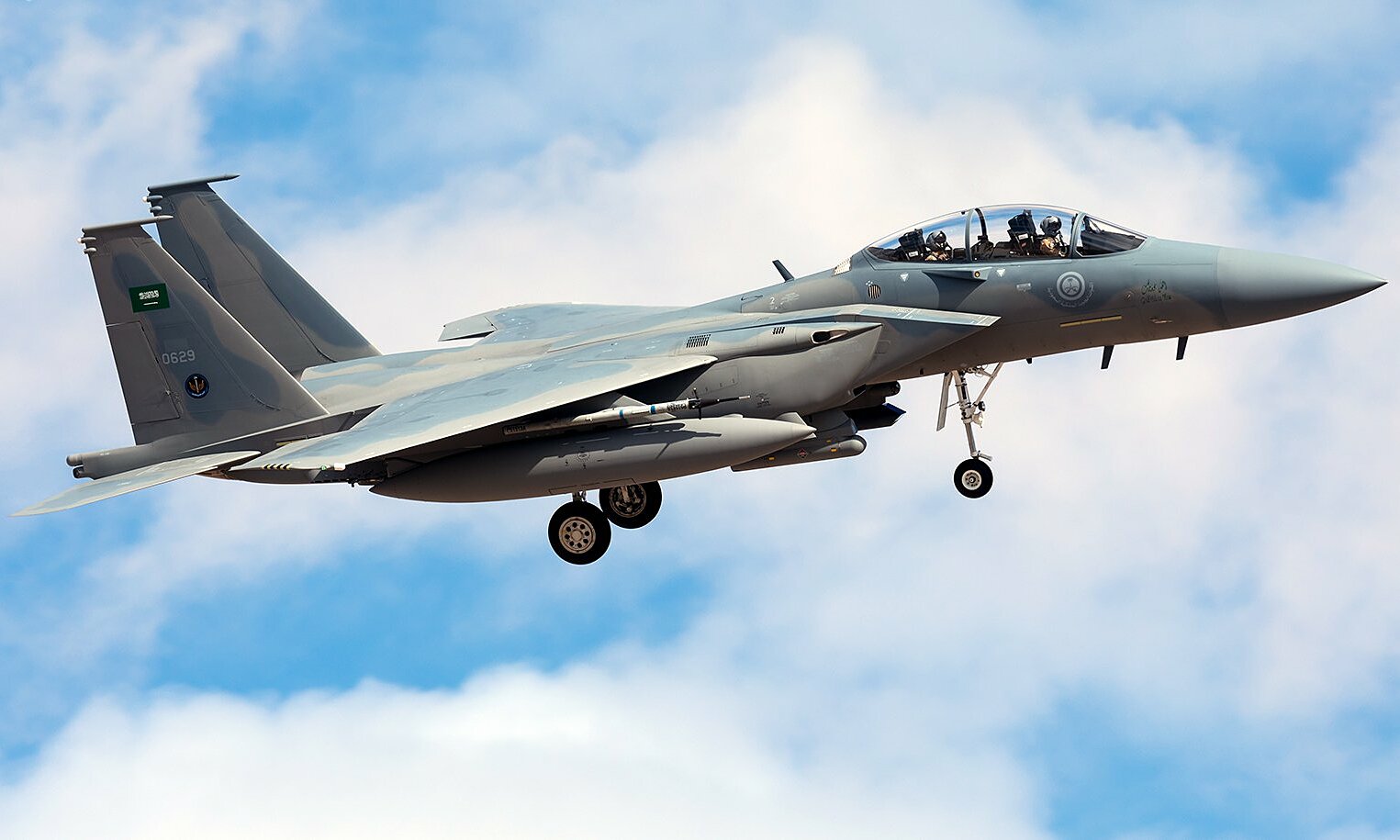
Three suspected Russian unmanned aerial vehicles (UAVs) were shot down over Romanian airspace. One crashed in Buzau county on 24/7, and two others were subsequently downed in Tulcea county on 25-26/7.
Romanian F-16 fighter jets used AIM-9X missiles, each costing around 400,000 USD, to destroy these UAVs. Including operational and maintenance costs, the Romanian Air Force spent over 1.7 million USD on these interception missions, Digi24, a Romanian channel, reported.
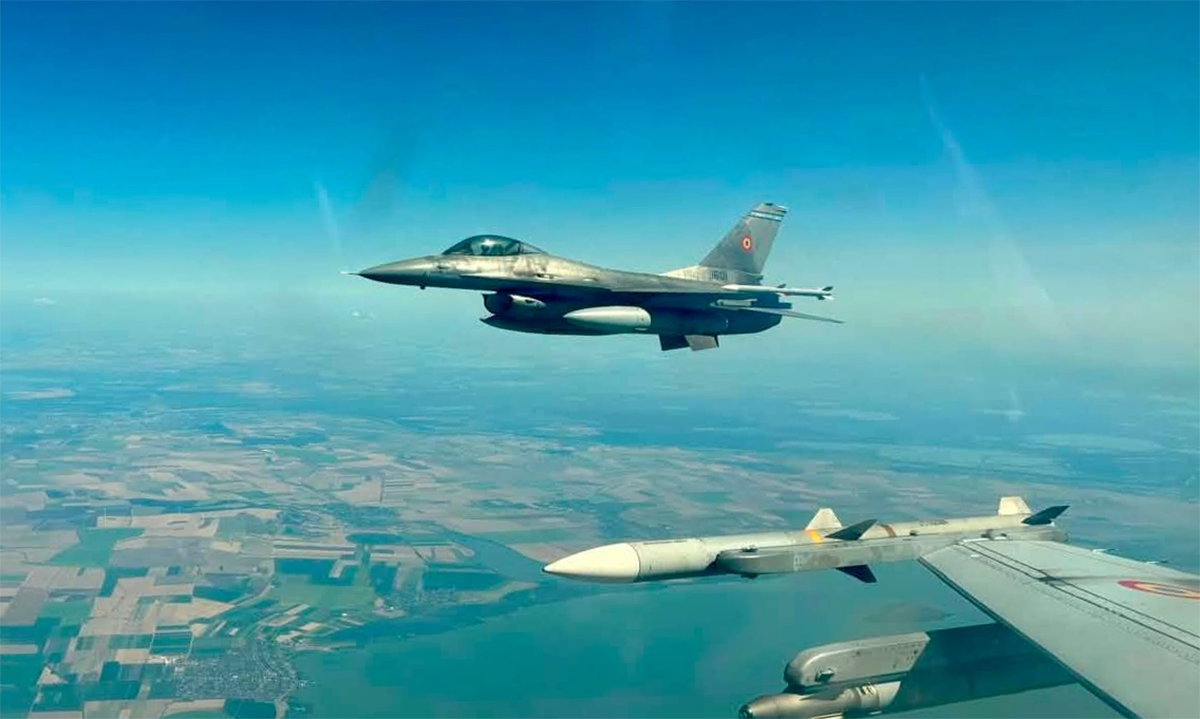 |
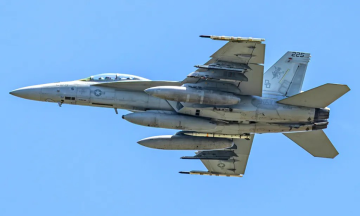
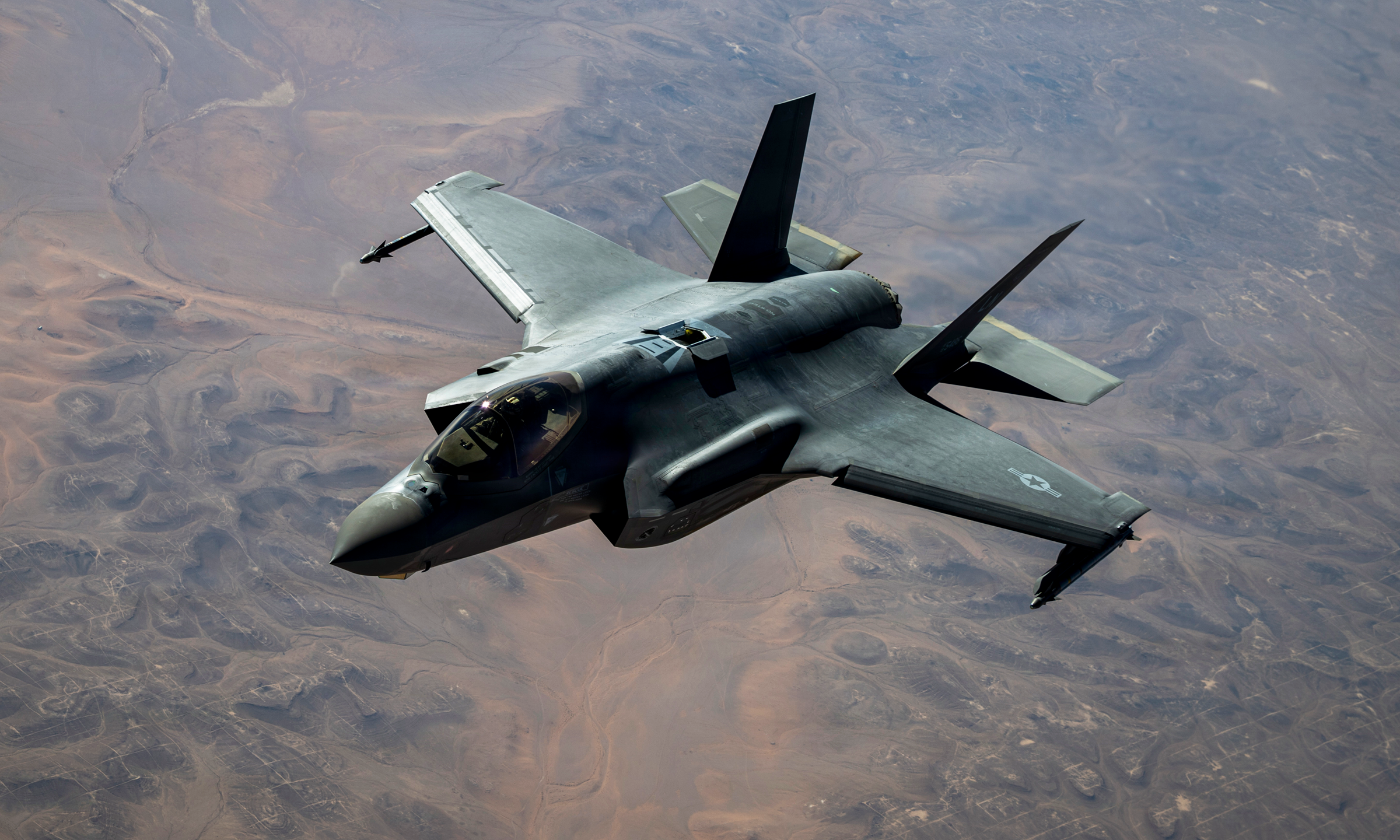
A Romanian F-16 fighter jet participating in the interception of a UAV entering airspace on 26/7. Photo: Romanian Ministry of National Defense |
According to Romanian statistics, the country has been hit by stray projectiles over 100 times during the conflict in Ukraine, including 33 instances of UAVs flying into its airspace. Romanian authorities have also discovered aircraft debris on its territory about 20 times.
The Romanian military believes that protecting its citizens is the top priority, regardless of the cost. However, Romanian officials admit that such expenditure cannot be sustained long-term if UAVs continue to enter its airspace at the current frequency.
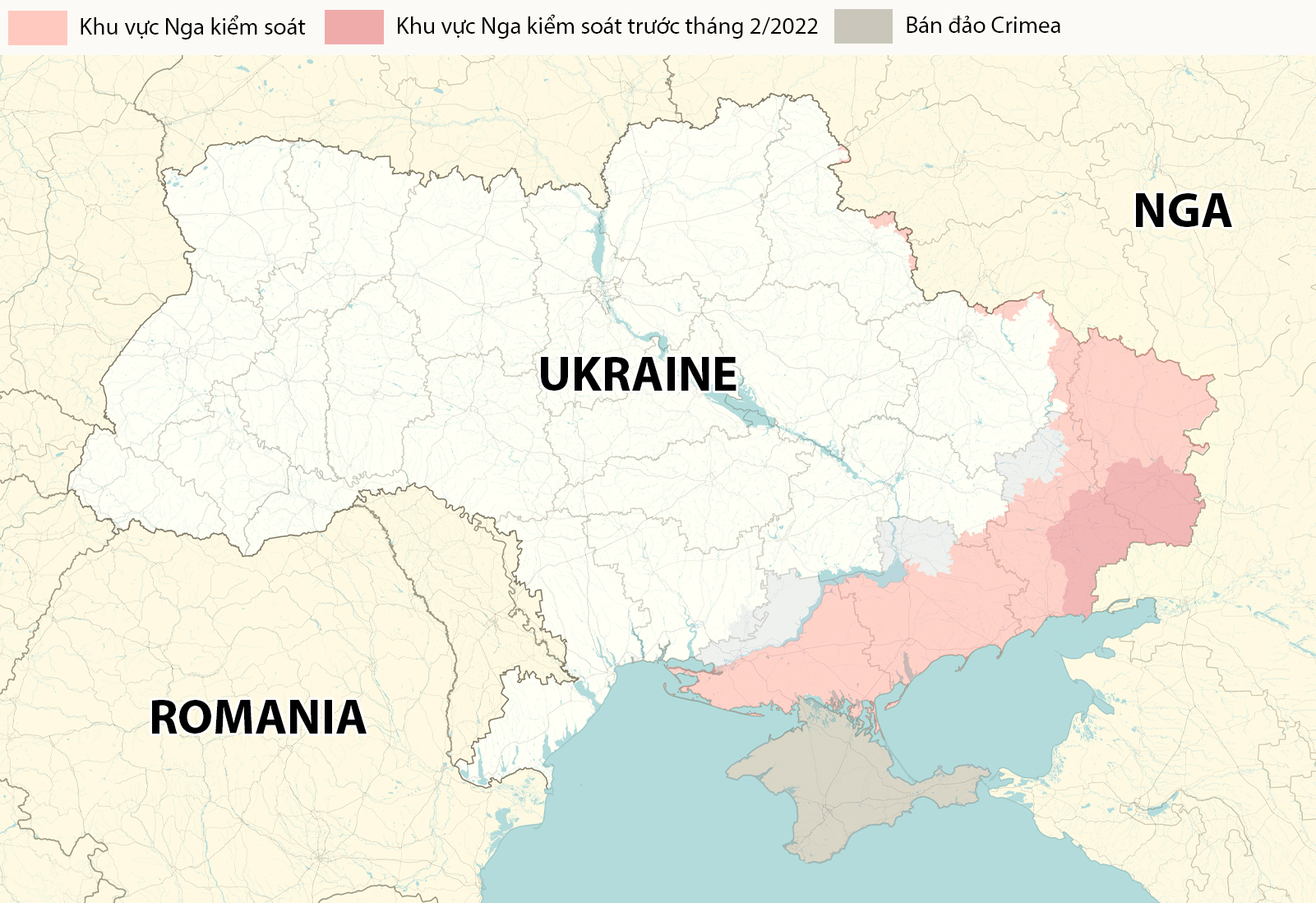 |
The Russia-Ukraine conflict situation. Graphic: RYV |
The Romanian Ministry of National Defense is seeking more cost-effective solutions for countering UAVs. However, the first counter-UAV systems, including one Israeli-made system and a collaborative product between Romania and Ukraine, will only be deployed to the Romanian military next year.
Digi24 reported that a more economical option for countering UAVs involves shooting them down with machine guns from helicopters, but the Romanian military has not yet adopted this measure.
Ukrainian pilots have repeatedly used M61A1 rotary cannons on F-16s to counter Russian Geran UAVs, significantly saving costs compared to expensive air-to-air missiles. However, Western experts assess this solution wastes aircraft and endangers pilots' lives.
They admit that Geran-2 UAVs are very difficult targets to counter. Their slow speed can make it difficult for radar to track them or cause them to be mistaken for ground clutter below. In many cases, radar loses track of UAVs flying over rooftops or mistakes them for moving trucks on the road. Geran-2 aircraft also emit little heat, making them difficult for heat-seeking missile sensors to detect.
This issue forces Ukrainian fighter jets to approach targets at close range to ensure a successful shootdown. However, this puts the fighter jets at risk of damage from exploding UAV debris or friendly fire from ground-based air defenses.
Nguyen Tien (According to AFP, AP, Reuters, Digi24)