The "companion" program, which began four years ago, initially provided assistance for single residents attending hospital appointments. Seoul city announced on 12/4 that this program will soon expand to other areas, including moving and emotional support.
"Any Seoul resident living alone can use the 'companion' services," stated Yoon Jong-jang, director of welfare policy. "We will continue to expand tailored support to enable everyone to manage their daily lives without difficulty, given the increasing number of single-person households."
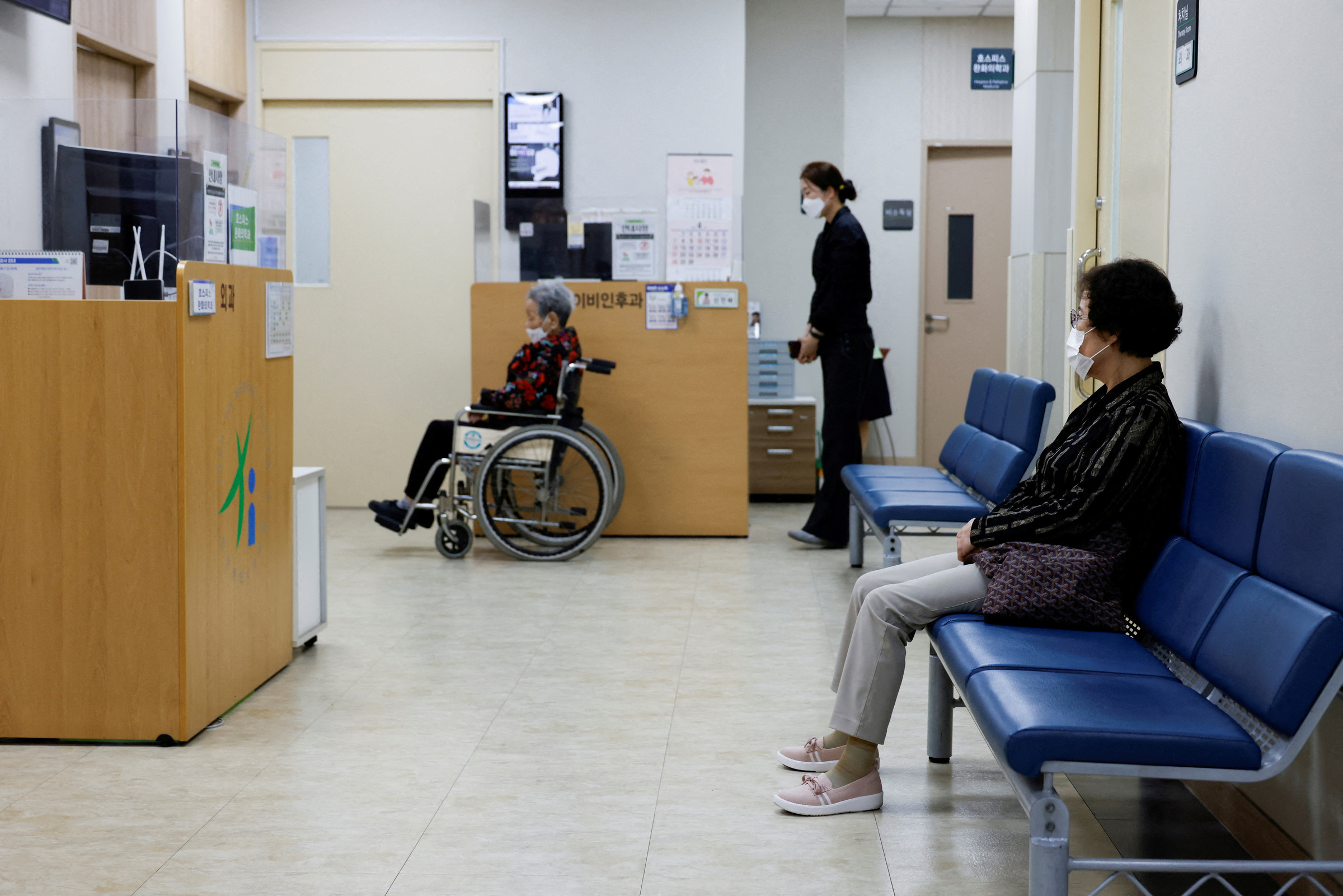 |
Patients wait for examination at Incheon Medical Center in Incheon, Korea, 23/4/2024. *Photo: Reuters* |
According to the Korea Times, single-person households accounted for approximately 36% of all households in Korea by the end of 2024, becoming the most common residential type in this East Asian nation.
Nearly one-half of single residents reported feeling lonely frequently or occasionally. This rate is significantly higher than the national average of 38,2%.
In Korea's capital, more than one-third of residents live alone. Starting next month, Seoul residents can hire companions to accompany them to medical appointments, rehabilitation facilities, and health check-ups. Companions will remain with them throughout the visit and assist with medical administrative procedures.
Since its launch in 11/2021, Seoul's hospital visit assistance service has seen approximately 70.000 uses, with a satisfaction rate exceeding 90%.
For residents facing difficulties moving homes independently, companions are available to assist for up to six hours on moving day. This support includes checking the new residence, registering address changes, paying utility bills, and handling other administrative tasks. It is currently unclear if this service will extend to transporting belongings or unpacking.
The service is projected to cost 6.000 won (4 USD) per hour, an increase from the current 5.000 won. Usage is limited to a maximum of 10 sessions per month or 200 hours annually. Individuals with incomes below the average threshold will qualify for 48 complimentary sessions each year.
The administration is establishing a dedicated telephone line to connect lonely residents with companions for conversations or to refer them to mental health welfare centers.