On 18/8, South Korean President Lee Jae-myung stated that "mot strong alliance will strengthen the security foundation, while enhancing our internal capabilities also helps elevate our value and importance as mot ally", referring to the relationship between his country's military and the US.
President Lee believes South Korea needs to advance the plan to transfer wartime operational control (OPCON) from US forces before his term ends in 2030.
He also directed South Korean officials to accelerate the nuclear-powered submarine acquisition project, stating that independent defense capabilities and a strong Seoul-Washington alliance are complementary.
President Lee believes reclaiming OPCON is essential to strengthen defense capabilities amidst a rapidly changing global security environment.
His statement followed his US counterpart Donald Trump's directive to the Pentagon to "significantly" cut joint US-South Korea exercises. Trump's action is viewed as an overture for dialogue with North Korea, which has consistently criticized joint Washington-Seoul military activities as "war rehearsals".
The Ulchi Freedom Shield exercise, a joint US-South Korea drill initially scheduled for 17-27/8, was shortened to conclude on 21/8, at Trump's request.
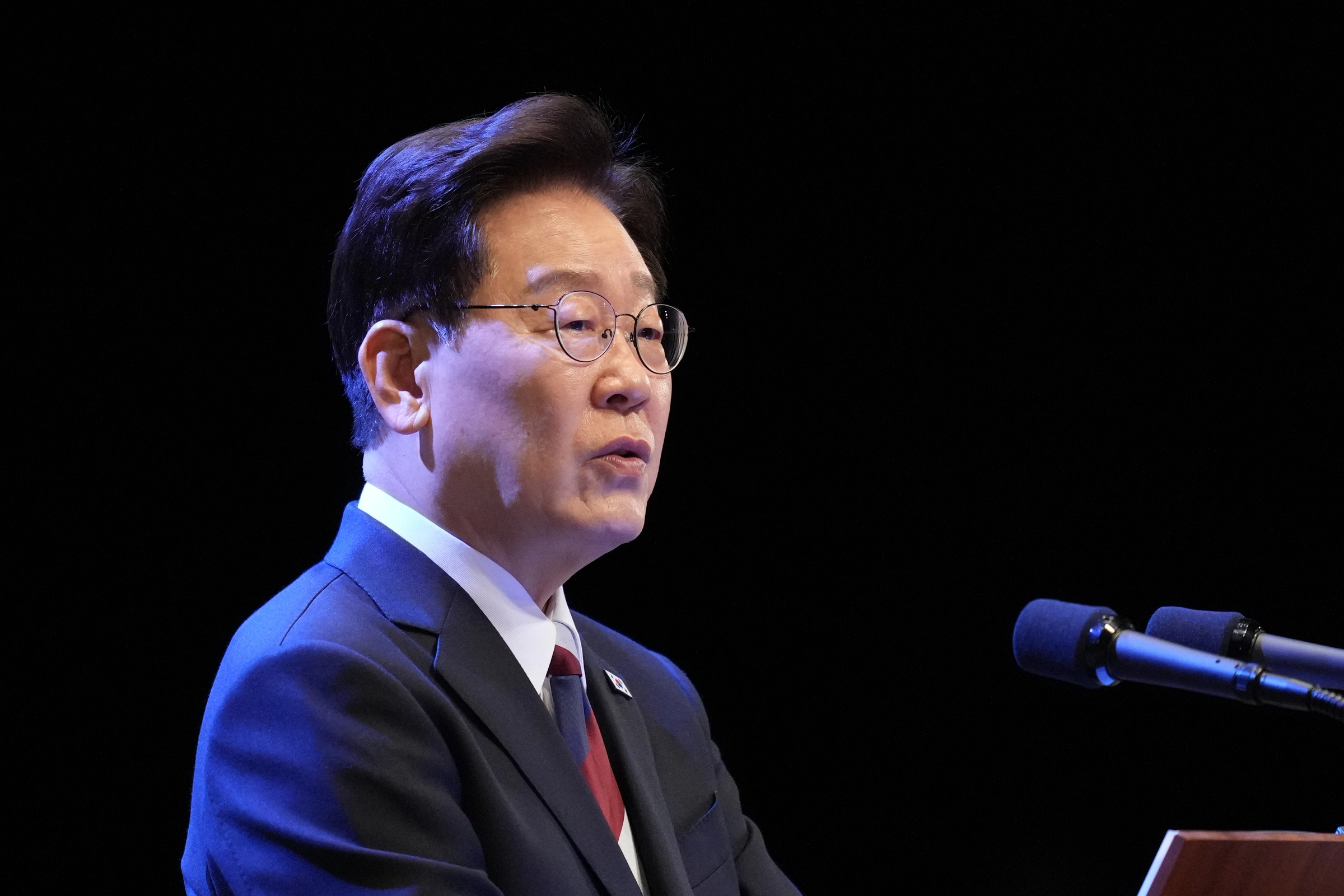 |
South Korean President Lee Jae-myung in Seoul on 15/8. *AP*. |
The White House chief had previously voiced dissatisfaction over the US's long-standing participation in joint exercises with South Korea and its bearing of most costs. He also highlighted "very good relations" with North Korean leader Kim Jong-un.
"The exercises are not only costly, but also send mot completely inappropriate and hostile signal to mot country that has always shown respect and is not a threat as long as Donald J. Trump is US President", he wrote on social media.
South Korea transferred OPCON to the US-led United Nations Command during the Korean War (1950-1953). This authority later shifted to the Combined Forces Command upon its establishment in 1978. While South Korea regained peacetime operational control in 1994, wartime operational control remains under US command.
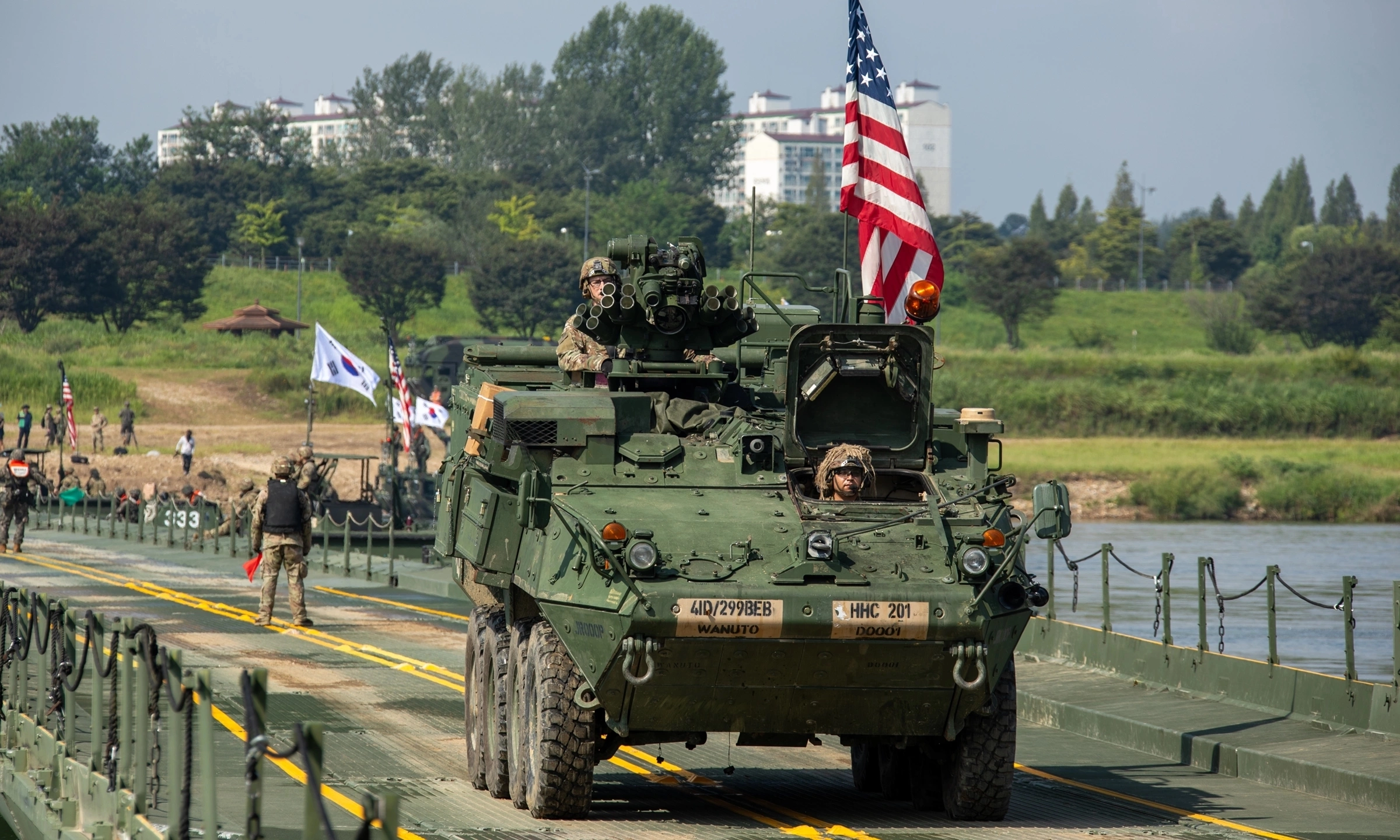 |
US armored vehicle during the Ulchi Freedom Shield exercise in 8/2025. *US Army*. |
The US currently stations approximately 28,500 troops in South Korea to bolster defense against military threats from North Korea. This presence stems from the 1950-1953 war, which ended with an armistice, not a peace treaty.
Ngoc Anh (According to AFP, Reuters, Yonhap)