Shinsegae Group, which holds a 67.5% stake in Starbucks Korea, announced on 15/6 that group leaders and employees at Starbucks Korea's headquarters would attend training sessions led by history and sociology professors on 17/6.
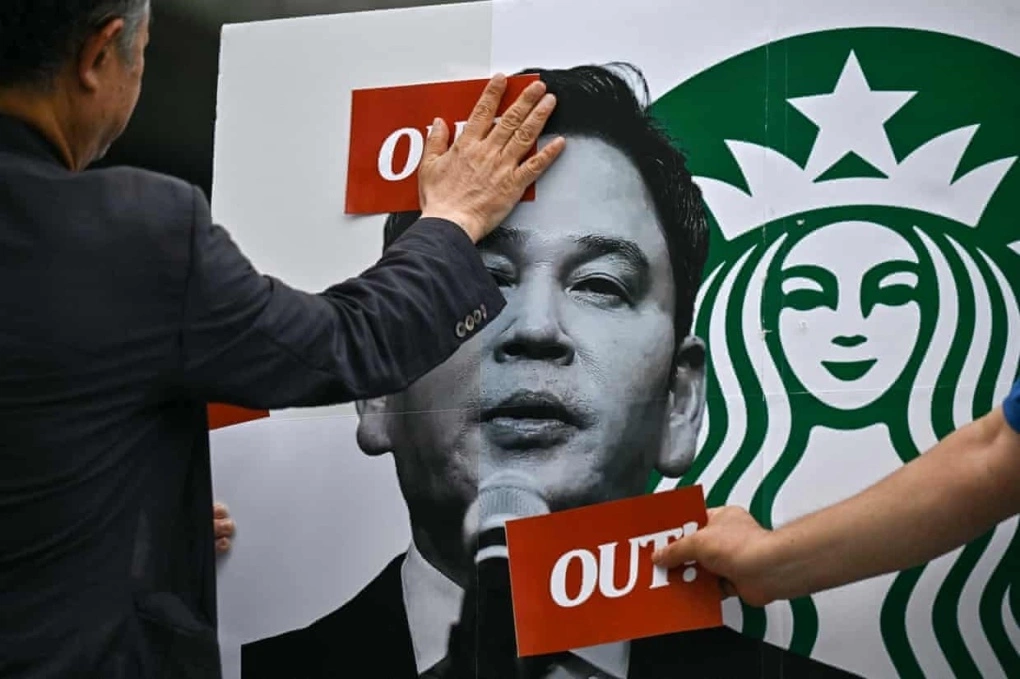 |
Protesters put labels on a photo of the Shinsegae Group chairman in May. AFP |
Protesters put labels on a photo of the Shinsegae Group chairman in May. AFP
On 22/6, all Starbucks stores will close early from 3 p.m. for staff to watch a recorded video of the lesson. Chairman Chung Yong-jin will attend a separate training session with executives from Shinsegae subsidiaries on 24/6.
This decision comes amid intense criticism following the "Tank Day" marketing campaign on 18/5. The campaign promoted a large-capacity coffee thermos called "Tank". However, the campaign's launch date, slogan, and imagery inadvertently evoked a painful memory of a massacre 46 years prior.
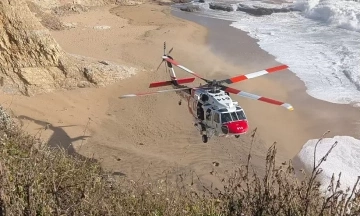
The date coincided with the anniversary of the 1980 democracy protests in Gwangju city, southern Korea. The military government deployed troops, tanks, and helicopters to suppress the demonstrations, resulting in hundreds of deaths and injuries. Korean citizens stated that Starbucks' advertising campaign insulted the victims and called for a boycott of the coffee brand's products.
Following the fierce public backlash, Shinsegae Group canceled the campaign within hours and dismissed the chief executive of Starbucks Korea. Chairman Chung publicly apologized on national television. Police have launched an investigation based on complaints from relatives of the Gwangju suppression victims.
Starbucks Corporation, based in Seattle, My, which licenses the brand but does not hold equity in the Korean operation, expressed "deep regret for this unacceptable marketing incident".
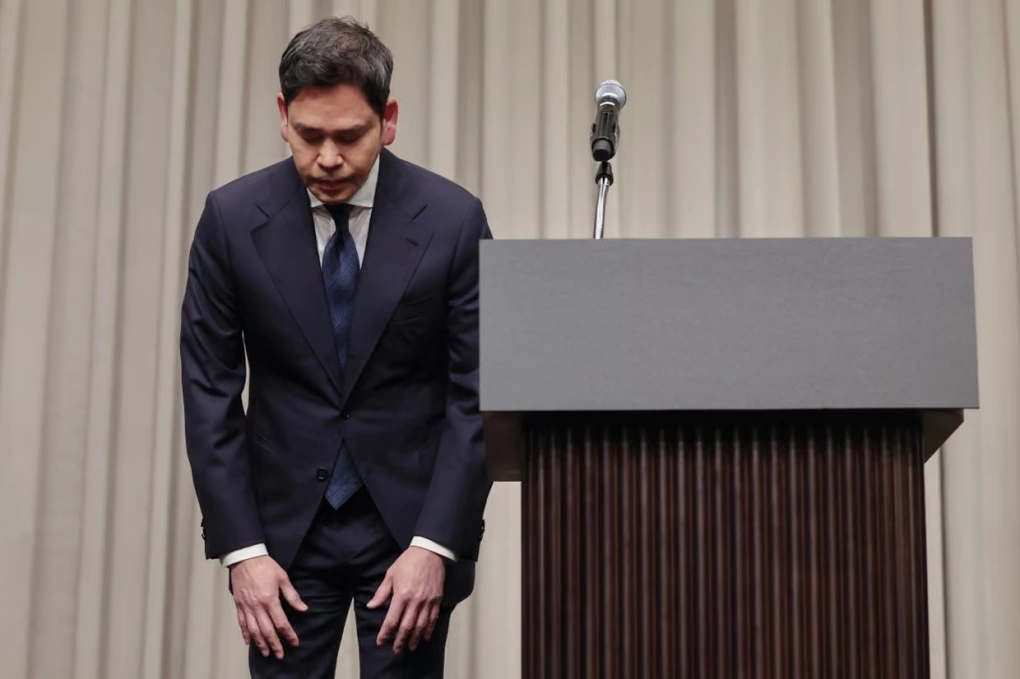 |
Chung Yong-jin, chairman of Shinsegae Group, bows in apology during a press conference on 26/5 in Seoul. Yonhap |
Chung Yong-jin, chairman of Shinsegae Group, bows in apology during a press conference on 26/5 in Seoul. Yonhap
Shinsegae stated that the unprecedented early closure of all Starbucks stores since the chain launched in Korea in 1999, along with the mandatory company-wide training, demonstrates "the group's seriousness in recognizing the marketing crisis, as well as its determination to prevent similar incidents from recurring".
The Gwangju suppression occurred months after General Chun Doo-hwan seized power in a coup in late 1979. Government records indicate approximately 200 people died in Gwangju, though activists assert the actual death toll was considerably higher. Chun Doo-hwan's government also imprisoned tens of thousands of people under the pretext of eradicating social ills.
Public outrage against the Chun Doo-hwan government escalated into widespread nationwide protests in 1987, compelling him to accept a constitutional amendment to allow direct presidential elections. This event is regarded as a pivotal moment marking the beginning of Korea's transition to democracy.
By Hong Hanh (AP)