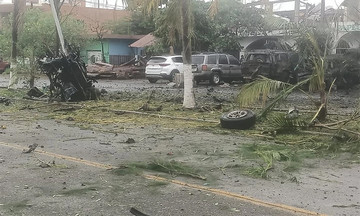
General Winthai Suvaree, spokesperson for the Thai army, reported that clashes occurred this morning in the Chong An Ma area of Nam Yuen district, Ubon Ratchathani province. He accused Cambodian forces of opening fire with infantry weapons and other firepower, prompting Thai forces to respond with appropriate equipment.
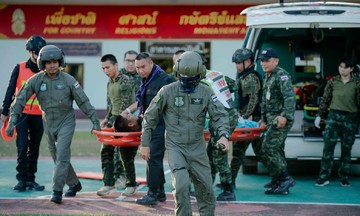
According to Winthai, Thai soldiers in the Chong Bok area of Nam Yuen district were also later attacked, resulting in one soldier killed and four soldiers injured.
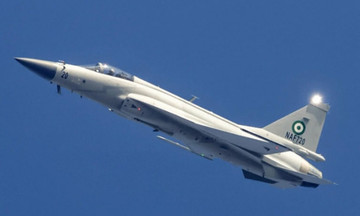
He stated that the Thai military had begun deploying F-16 fighter jets to strike several areas to suppress Cambodian fire support, after forces at these positions used artillery and air-dropped munitions to attack Thai soldiers at Anupong base, causing some casualties.
General Winthai did not specify what Cambodia's "air-dropped munitions" were, seemingly implying explosives or grenades dropped by drones.
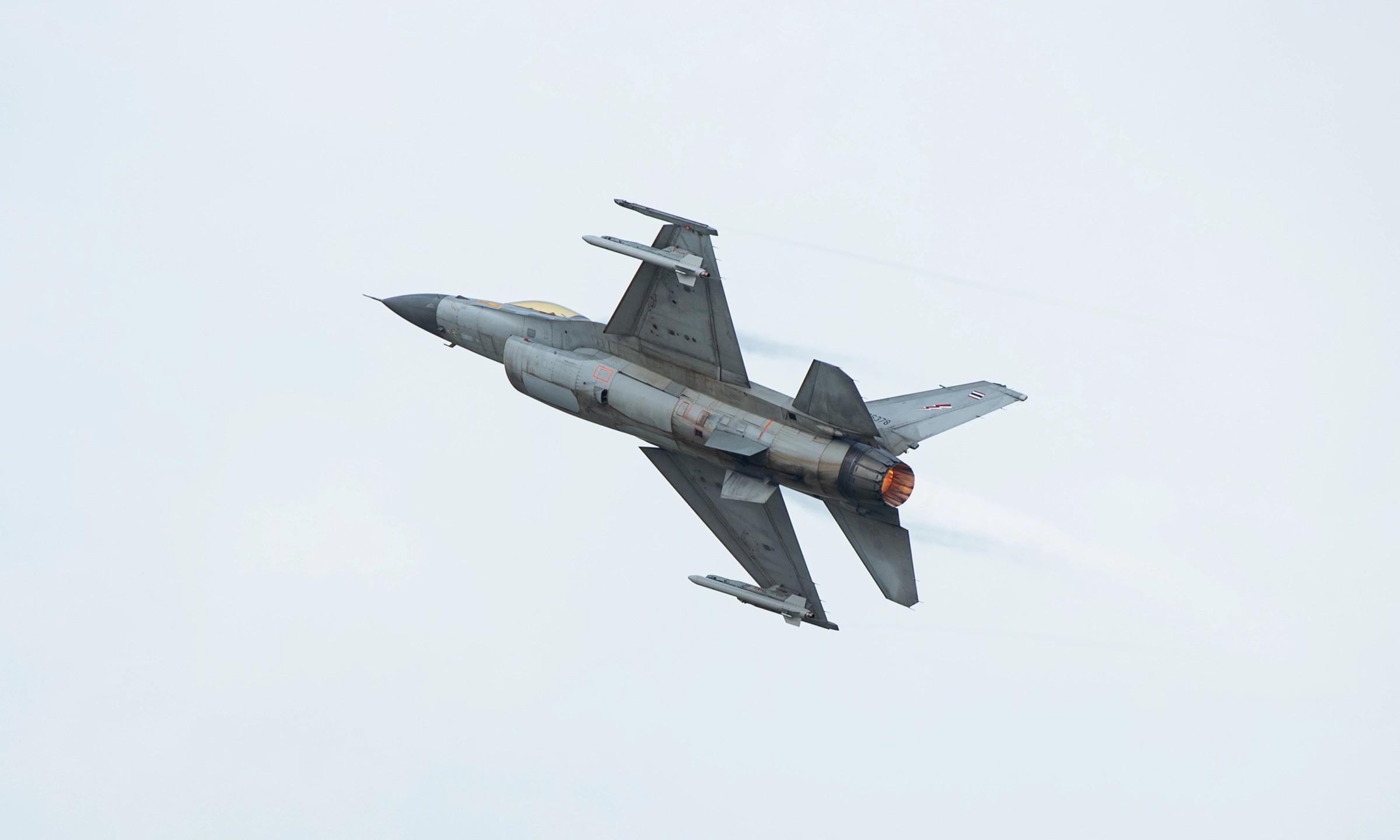 |
Thai F-16 fighter jet performing a demonstration in march. Photo: Reuters |
The Thai air force confirmed it had deployed F-16 fighter jets to provide fire support for ground forces. These fighter jets were tasked with attacking Cambodian artillery positions firing into Thailand.
Meanwhile, Cambodia's Ministry of Defense accused Thailand of launching a series of attacks on its soldiers along the border in Preah Vihear province. According to Phnom Penh, Thai forces initially fired at Cambodian personnel in the An Ses area before deploying tanks to fire at Tamone Thom temple, an area near Preah Vihear temple and Chomka Chek.
Cambodia's Ministry of Defense stated that Thailand's actions gravely violated a peace agreement signed by both sides six weeks prior. They also declared that Cambodian forces exercised "maximum restraint" and did not return fire, adding that their commanders were monitoring the situation "vigilantly and cautiously".
Tensions escalated after Cambodian and Thai troops exchanged fire on december 7 along the disputed border, injuring two Thai soldiers and prompting civilian evacuations.
At that time, the Thai military foresaw potential escalation, and Prime Minister Anutin Charnvirakul ordered "actions consistent with the evolving situation".
A five-day border conflict occurred in july between Thailand and Cambodia, resulting in at least 43 deaths and over 300,000 civilian evacuations on both sides. The two countries later signed a peace agreement in Kuala Lumpur on october 26, witnessed by US President Donald Trump and Malaysian Prime Minister Anwar Ibrahim.
Under the agreement, both sides committed to withdrawing heavy weapons from the border area and allowing observers to monitor the ceasefire access to the region. Thailand also pledged to return 18 captured Cambodian soldiers. However, since then, both nations have repeatedly accused each other of non-compliance with the agreement.
Pham Giang (Reuters, Nation Thailand, Khmer Times)