"Russia was prepared to accept Iran's enriched uranium and store it on Russian territory. This would have been a good solution, but unfortunately, the US side rejected this initiative," Kremlin spokesperson Dmitry Peskov told India Today on 15/4.
He stated that Russian President Vladimir Putin is still ready to reiterate the option if the parties require it. Russia, possessing the world's largest nuclear arsenal, has repeatedly said it could convert Iran's enriched uranium into fuel for civilian reactors, to facilitate negotiations and reduce tensions.
The Kremlin spokesperson suggested that Washington's concerns about Iran's nuclear program "are merely a pretext for aggression," reiterating that the International Atomic Energy Agency (IAEA) has never found evidence that Iran is developing nuclear weapons.
The US and Iran have not commented on the information.
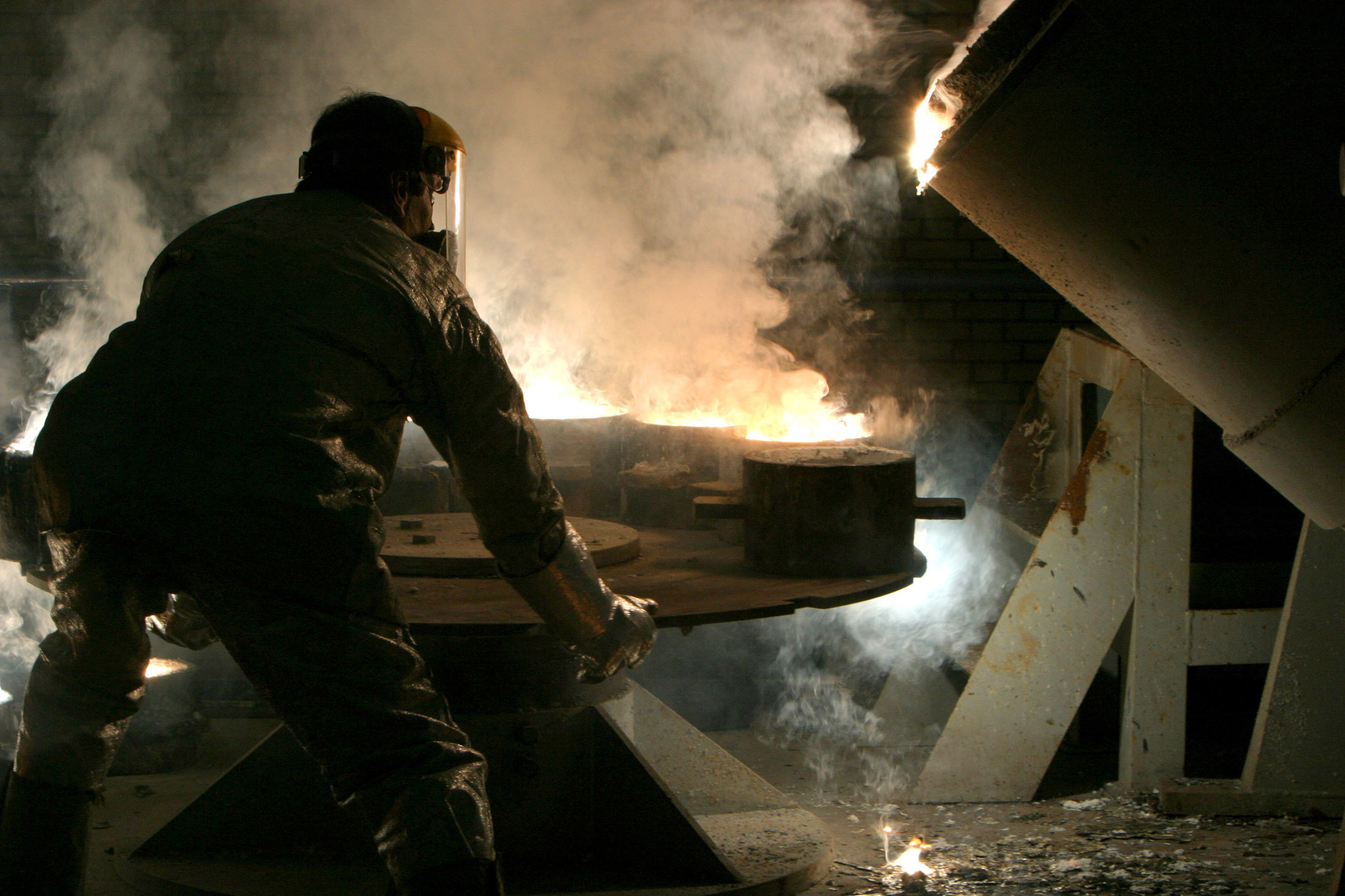 |
Technicians at a uranium processing facility in Isfahan, Iran, about 340 km south of Tehran in 3/2005. *Photo: Reuters*
According to Russian media, Moscow first proposed the option of accepting uranium from Iran in 6/2025, after a 12-day conflict between Israel and Iran concluded. The US intervened on the last day of the fighting, launching airstrikes on several key Iranian nuclear facilities to end the threat from the country's nuclear program.
Russia reiterated the proposal again this week, after a round of peace talks between Iran and the US in Islamabad concluded last weekend without an agreement. Peskov revealed on 13/4 that Russia had raised this option in discussions with both US and Iranian leaders.
Officials in Tehran and Washington indicated that both sides remain at odds over several issues during negotiations, primarily Iran's nuclear program. The US reportedly proposed that Iran halt uranium enrichment for 20 years, while Iran only agreed to a five-year suspension.
Vice President JD Vance stated that Washington not only wants to ensure Iran does not possess nuclear weapons, but also aims to establish mechanisms to prevent this possibility, including eliminating Tehran's uranium enrichment capabilities. Vance suggested the uranium should be removed from Iranian territory to ensure transparency and enhance monitoring.
According to International Atomic Energy Agency (IAEA) estimates, Iran holds approximately 400 kg of uranium enriched to 60%, close to weapons-grade level of 90%. However, following US airstrikes in 6/2025, the storage location of this uranium remains unknown.
Thanh Danh (According to Reuters, Anadolu, Yeni Safak)