"The US will receive all the 'nuclear dust' created by our B-2 bombers," President Donald Trump posted on Truth Social on 17/4.
President Trump often uses the phrase "nuclear dust" to describe Tehran's highly enriched uranium stockpile. He also uses it to refer to materials remaining after US airstrikes on Iranian nuclear facilities in 6/2025.
Iranian Foreign Ministry Spokesperson Esmaeil Baqaei stated on television that Tehran's enriched uranium stockpile "will not be transferred anywhere".
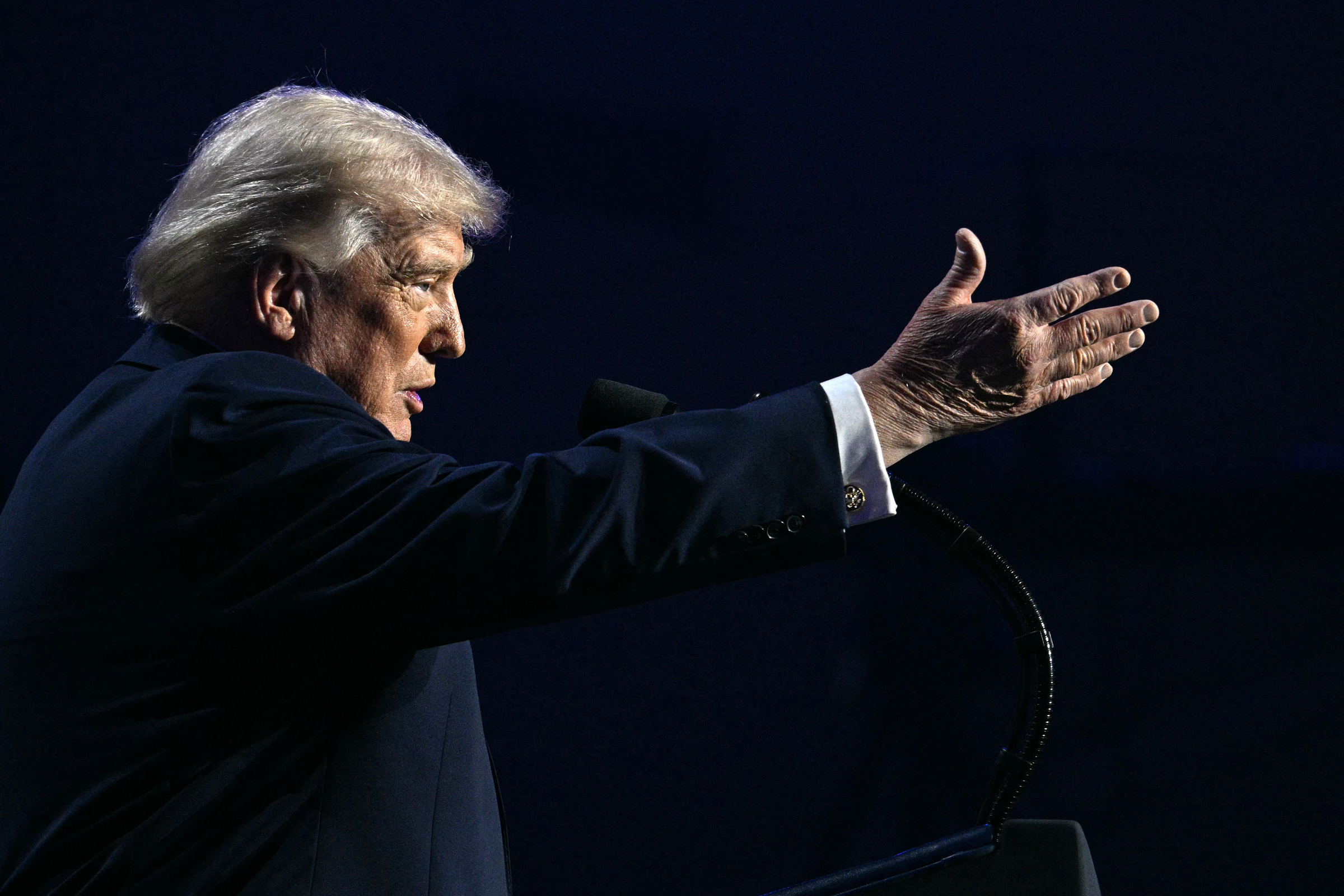 |
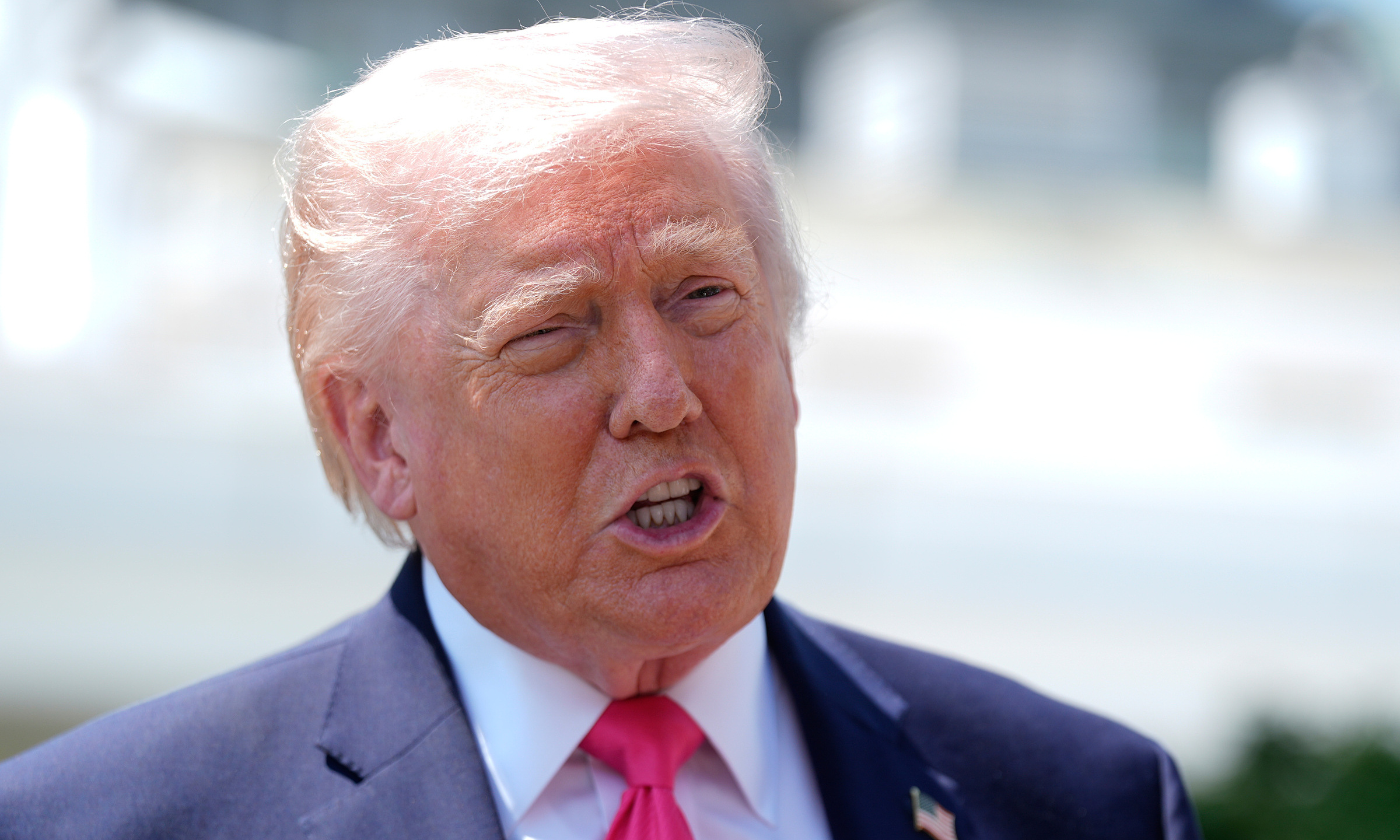
US President Donald Trump at an event in Phoenix, Arizona on 17/4. Photo: AFP
"The scenario of transferring Iran's enriched uranium to the US has never been raised in negotiations," Baqaei said. He added that recent discussions focused on resolving conflicts, not recovering Iran's uranium stockpile.
At a subsequent event in Arizona, Trump reiterated that Washington and Tehran would cooperate to recover the uranium.
"Someone asked how we would get the nuclear dust? We will get it by cooperating with Iran, using many excavators. We will need the largest excavators you can imagine. We will get it and bring it back to the US very soon," he said.
On 16/4, the US President stated that Tehran had agreed to transfer the enriched uranium, but did not specify details. Iran holds about 440 kg of uranium enriched to 60%, not far from the 90% needed for nuclear weapons, according to the International Atomic Energy Agency (IAEA).
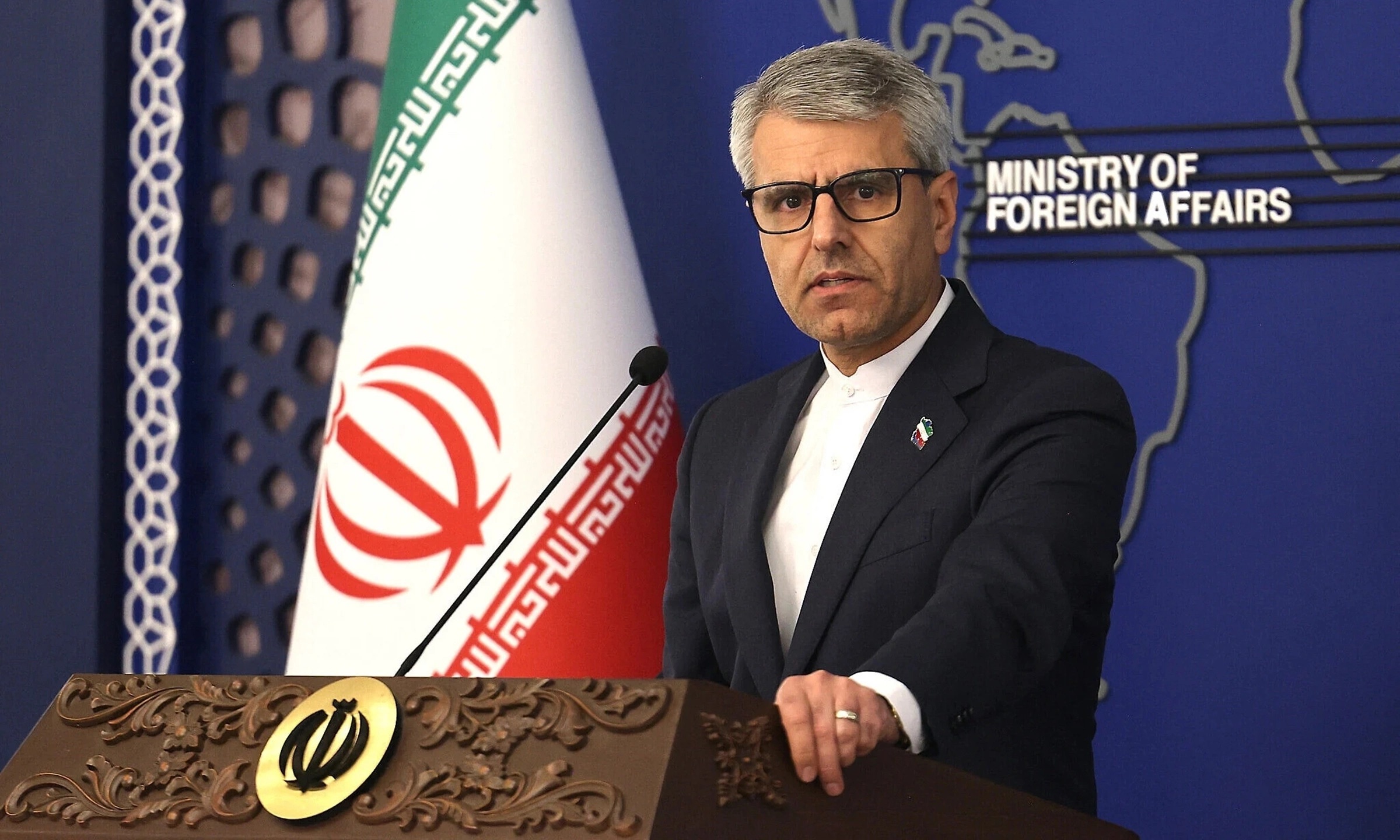 |
Spokesperson Baqaei during a weekly press conference in Tehran on 10/2. Photo: AFP
The conflicting statements followed Iran's announcement of fully opening the Strait of Hormuz to commercial vessels. This was in response to a 10-day ceasefire between Israel and Lebanon that took effect the same day.
President Trump welcomed this move but stated that sanctions on Iranian seaports would remain until both sides reached a full conflict resolution agreement. He expressed optimism that a deal was "very close," noting that the two sides "no longer had any sticking points."
Spokesperson Baqaei said that a "maritime blockade" would be met with an appropriate response, accusing it of violating the ceasefire agreement.
"Opening and closing the Strait of Hormuz does not happen online; it is decided on the ground. Our armed forces certainly know how to respond to any actions from the other side. Iran will definitely take the necessary measures," he said.
By Thanh Tam (According to AFP)