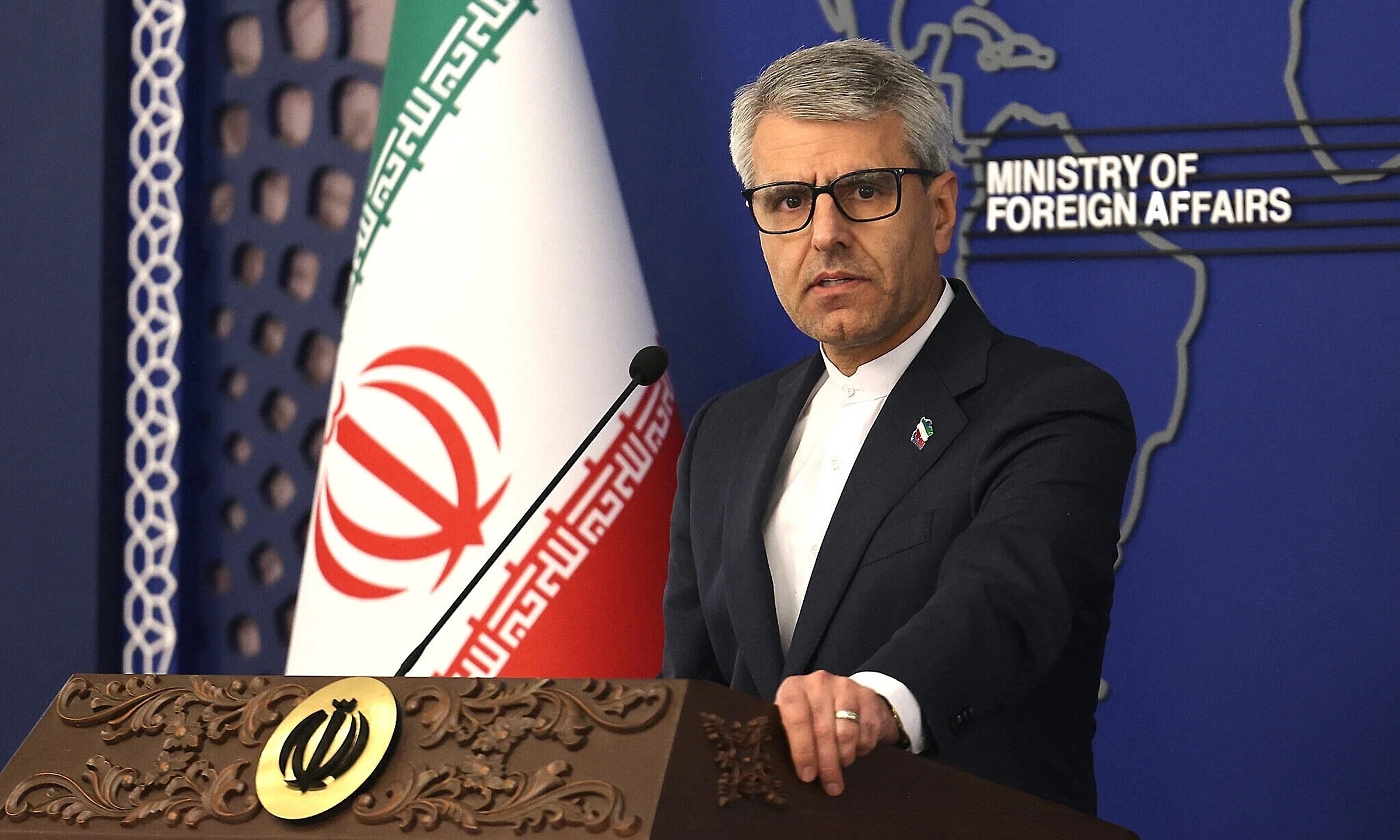
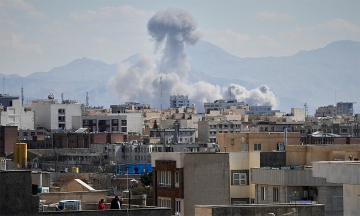
Iranian Foreign Minister Abbas Araghchi announced on 17/4 that the country has "fully reopened" the Strait of Hormuz to all commercial vessels. This move, he stated, was "in response to the 10-day ceasefire agreement in Lebanon."
This decision contrasts sharply with Iran's previous hardline statements regarding control and blockade of the Strait of Hormuz. Iran had also stipulated continued control over access to the strait, even after the cessation of hostilities, in its 10-point negotiation proposal sent to the US.
Iran's decision came after seven weeks of conflict, during which Tehran suffered significant losses from fierce attacks by the US and Israel. Most recently, US President Donald Trump imposed a naval blockade on Iranian ports.
The US and Israel reported striking at least 17,000 targets in Iran before the ceasefire, including factories, rail and road infrastructure, seaports, government buildings, and military facilities.
Iranian state media estimates the cost of post-conflict reconstruction at 270 billion USD. However, analysts believe it is too early to provide an accurate figure for Tehran's total losses. These material damages add further strain to Iran's economy, which was already in severe crisis and had triggered protests across the country before the conflict escalated.
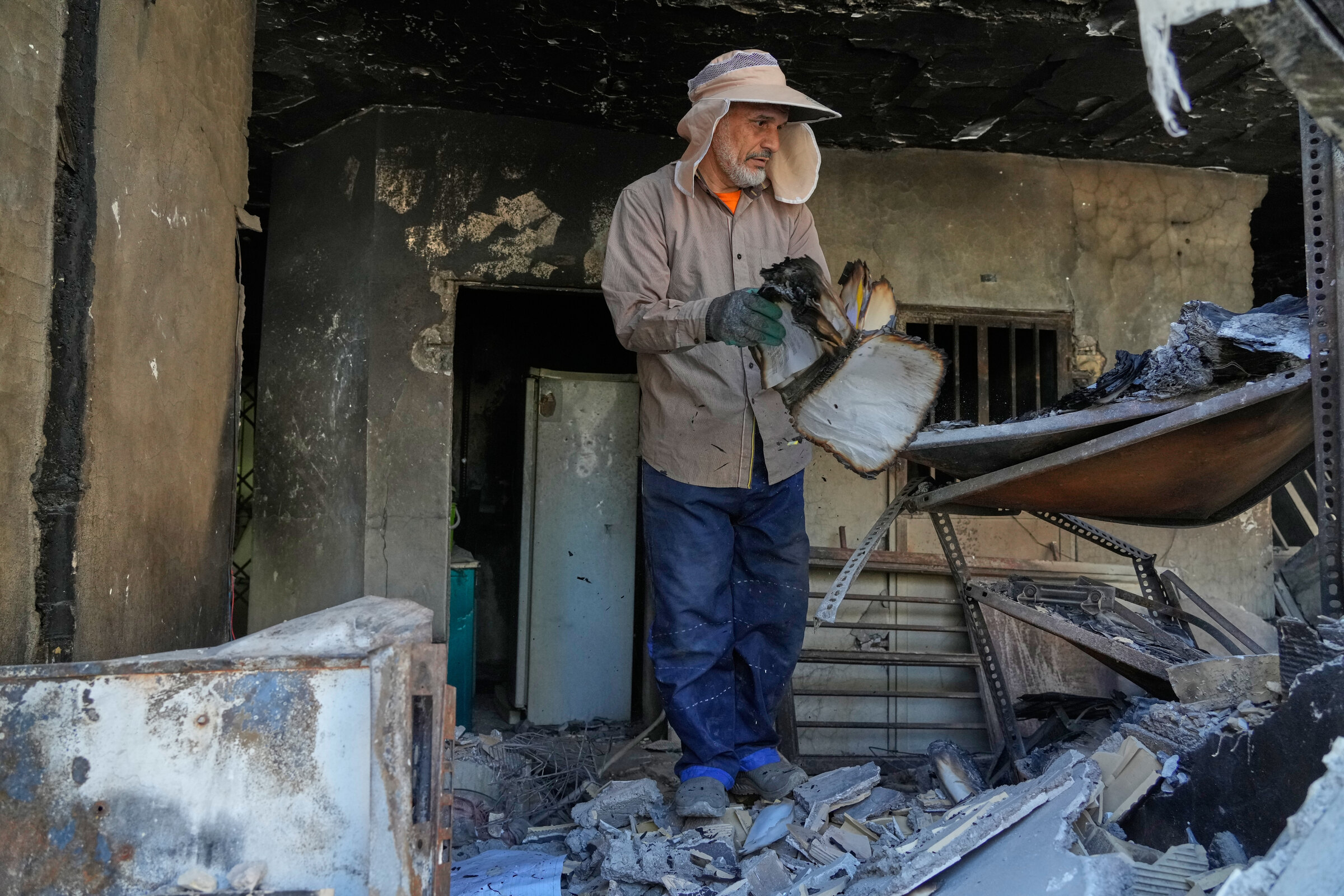 |
The ruins of a building in southeastern Tehran, Iran on 14/4. Photo: AP
While controlling the Strait of Hormuz and the ability to strike targets across the Gulf during the conflict gave Iran leverage in negotiations with the US, the immense scale of reconstruction limits its ability to maintain a hardline stance, according to Burcu Ozcelik, a senior research fellow at the Royal United Services Institute (RUSI).
Israeli aircraft attacked eight Iranian petrochemical plants, including the Bandar Imam complex in Khuzestan province, southwestern Iran. Two of Iran's main steel production facilities were also damaged. Petrochemicals and steel typically generate billions of US dollars in annual revenue for the nation.
"Those attacks were not random. They targeted economic sectors that helped Iran earn foreign currency," said Kevan Harris, an expert on the Iranian economy at the University of California.
Following the attacks on petrochemical infrastructure, Israeli Prime Minister Benjamin Netanyahu declared, "we systematically destroyed the money-making machine of the Islamic Revolutionary Guard Corps (IRGC)."
Iran announced on 15/4 a ban on exporting all petrochemical products, a move seemingly aimed at ensuring domestic consumption and reserves, according to Henna Moussavi, a WSJ commentator.
Israel also bombed Tofigh Daru Research & Engineering Company, one of Iran's largest pharmaceutical companies specializing in anesthetics and cancer treatments. Israeli fighter jets also attacked the Asaluyeh gas processing center, a major energy source for Iran, forcing plants there to shut down.
Bombing production facilities amid an economic recession will worsen unemployment in Iran. Hadi Kahalzadeh, an economist who previously worked for Iran's Social Security Organization, estimates that 12 million jobs in the country are at risk.
"The US and Israeli airstrikes dealt a direct blow to key industries, which are the main foundation for job creation and maintaining economic production," Kahalzadeh noted.
The pain of the port blockade
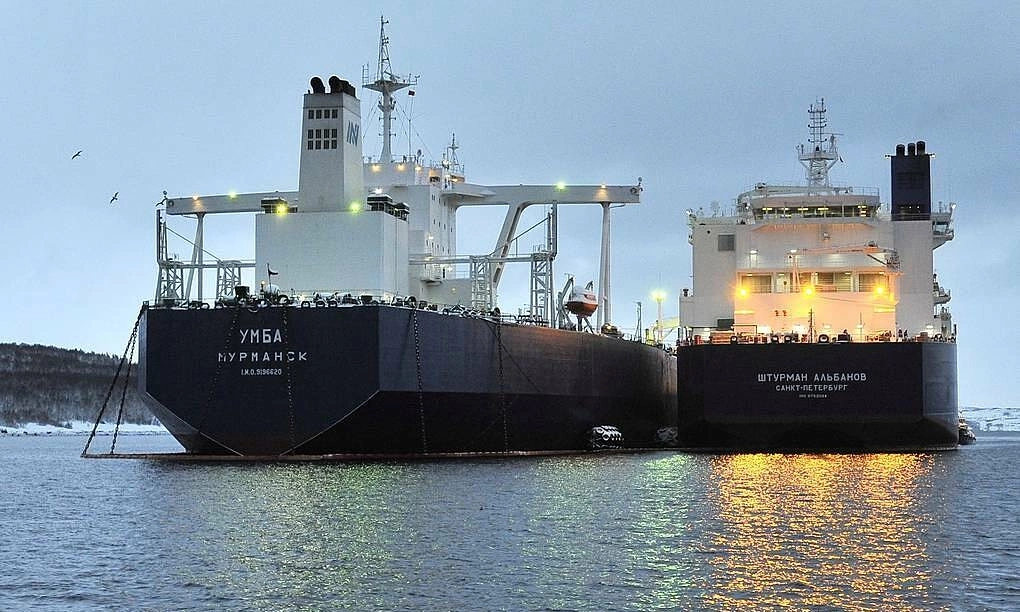
The US naval blockade of Iranian ports, effective from 13/4, has "completely halted" Iran's maritime trade, US Central Command (CENTCOM) announced. Numerous oil tankers and cargo ships were forced to return to Iranian ports when faced with the US blockade.
This means crude oil exports, which account for 80% of Iran's revenue, are paralyzed. In the month before the US imposed the blockade, Iran exported at least 55 million barrels of oil, generating nearly 5 billion USD, according to estimates by trade data company Kpler.
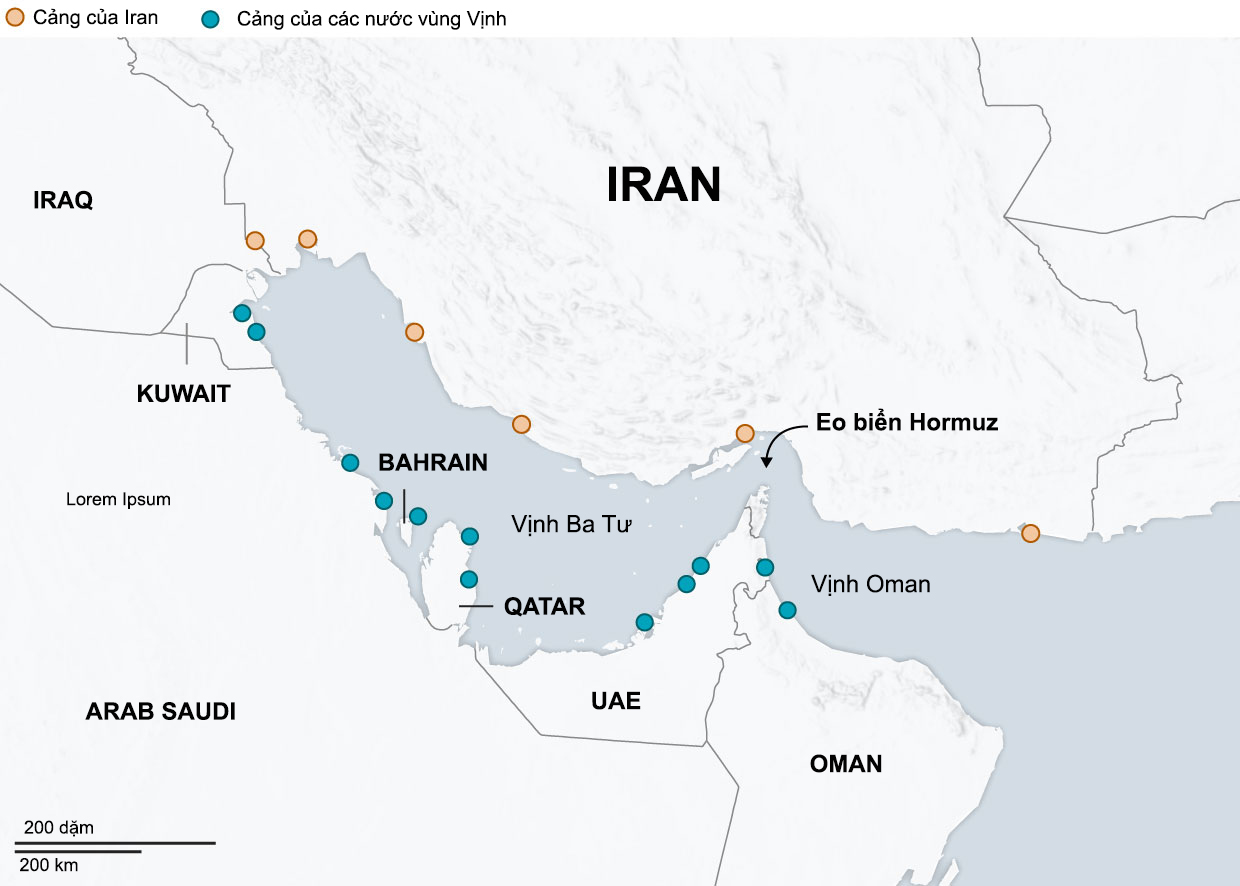 |
Location of Iran and ports in the Gulf region. Graphic: WSJ
According to estimates by Miad Maleki, an analyst at the Foundation for Defense of Democracies in the US, Iran could lose approximately 435 million USD daily due to the blockade, including 276 million USD from exports, primarily crude oil and petrochemical products.
Without the ability to export, Iran's oil reserves will fill up within two to three weeks, forcing the country to shut down production wells, according to UK-based analysis and research firm Vortexa. Oil fields shut down abruptly cannot be quickly reopened and will struggle to restore production in the future.
Priyanka Shankar, an Al Jazeera analyst, believes the US blockade also impacts Iran's entire trade operations and harms its economy. Blocked inbound shipments will exacerbate domestic commodity shortages, creating increasing economic hardship.
"Internally, Iran is likely concerned about the risk of impending economic disaster if Washington does not ease sanctions to provide an opportunity for economic recovery," Ozcelik stated. "If the economy cannot recover, the Iranian government could face greater domestic pressure."
The first round of negotiations between the US and Iran in Islamabad, Pakistan, recently ended in a stalemate. However, both sides left open the possibility of compromise, including on core issues like Tehran's uranium enrichment program. The two sides may resume talks in the coming days.
During the conflict, Iran launched thousands of missiles and drones at Gulf countries and Israel. Many of these attacks struck energy facilities, airports, and hotels. However, the extent of damage in those countries is unlikely to compare with what Iran has endured.
"I find the current scale of damage to be much worse than the Iran-Iraq War," observed Kaveh Ehsani, an associate professor of international studies at DePaul University in Chicago.
In that 1980-1988 conflict, approximately one million Iranians and Iraqis died, but fighting primarily occurred near the border. In the current conflict with the US and Israel, about 20,000 bombs and missiles fell on Iran, many striking targets in the capital Tehran and urban areas.
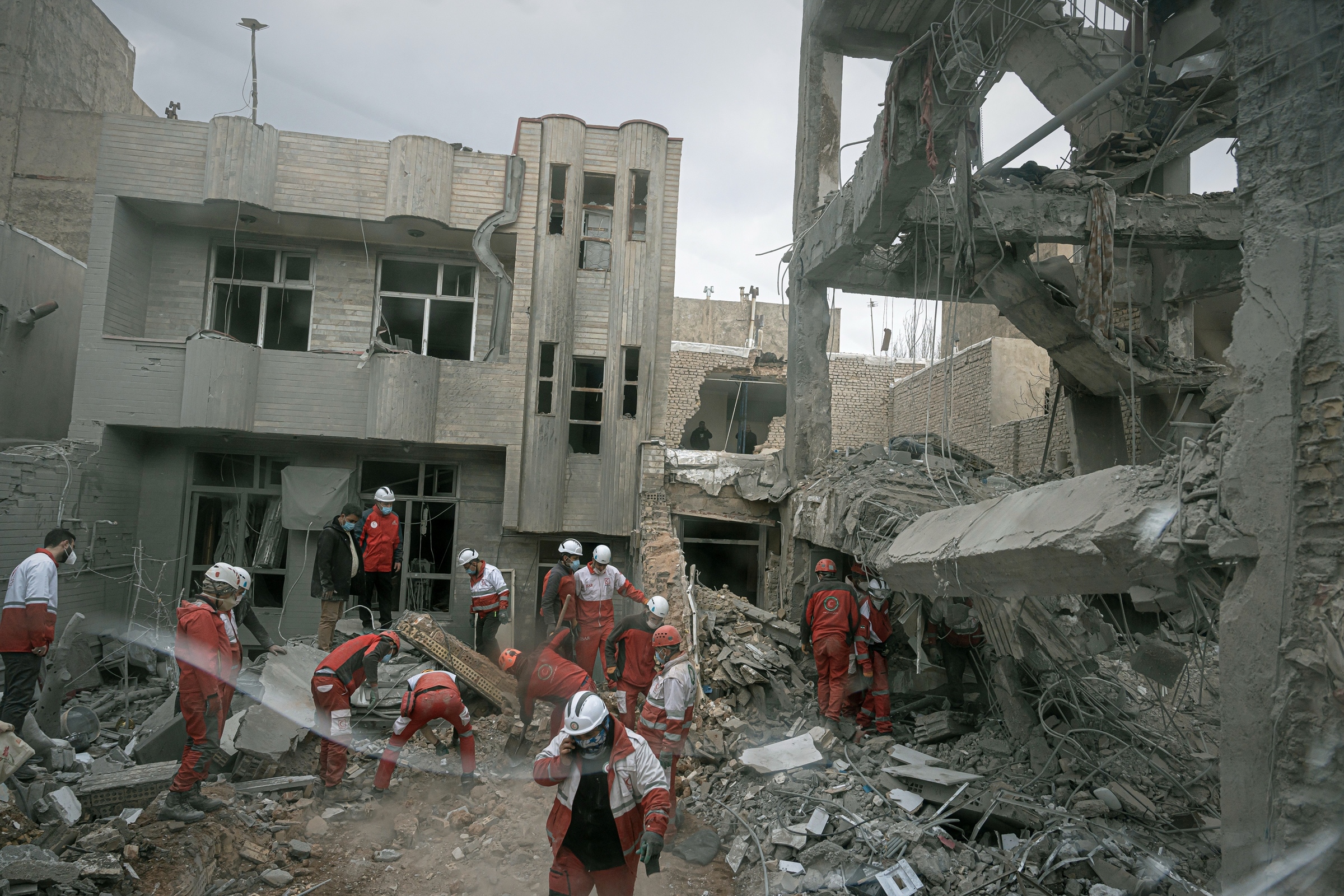 |
A collapsed apartment building after an attack in Tabriz, Iran on 24/3. Photo: AP
The US blockade of Iranian ports will further tighten the country's budget. Sara Vakhshouri, founder and president of SVB Energy International, says the extent of the damage depends on factors such as how stringent and how long the US blockade will be maintained.
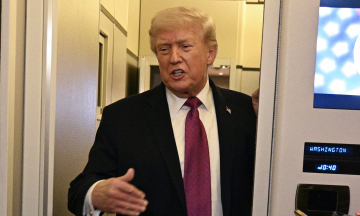
The US President welcomed Iran's move to open Hormuz but affirmed that the blockade of Iranian ports remains in effect until a bilateral agreement is "100% complete." He also stated that Iran has agreed to "never close the Strait of Hormuz again."
The issue of the port blockade is so sensitive that Iranian Parliament Speaker Mohammad Bagher Ghalibaf immediately threatened that Iran would resume closing the Strait of Hormuz if the port blockade continues.
Sune Engel Rasmussen, a WSJ analyst, suggests that the losses Iran has suffered during the current conflict and the need for reconstruction and economic recovery could pressure them to consider compromise in the near future.
Thanh Tam (According to WSJ, AFP, Al Jazeera)