According to an exemption mechanism published on the website of the Office of Foreign Assets Control (OFAC) under the US Department of the Treasury on 17/4, Washington is permitting relevant parties to sell, transport, or offload Russian-origin crude oil and petroleum products until 16/5.
This effectively grants Russian oil a one-month exemption from US sanctions. However, this mechanism is only applicable to shipments that were loaded onto vessels before 17/4.
This new license replaces a similar one issued on 19/3, which expired on 11/4. The previous exemption aimed to control global energy prices, which had surged amid the conflict between the US, Israel, and Iran in the Middle East.
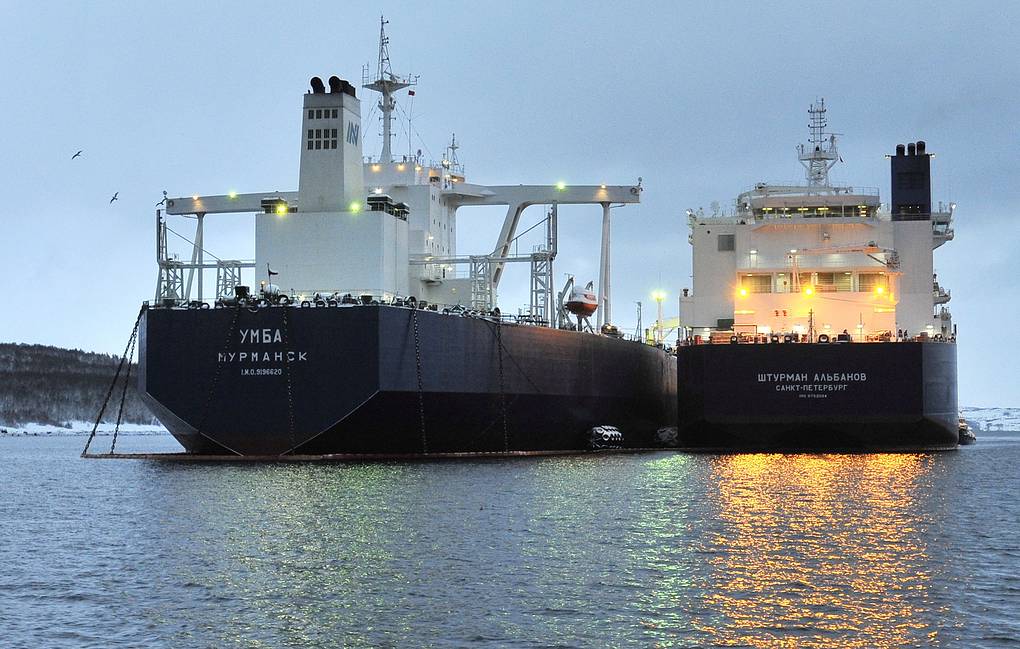 |
Two Russian oil tankers, Umba (left) and Shturman Albanov. *Photo: TASS*
President Donald Trump's administration made this move two days after Treasury Secretary Scott Bessent announced that Washington would not extend the exemption mechanism, which previously allowed countries to purchase Russian oil without facing US sanctions.
Kirill Dmitriev, Russia's presidential envoy, stated that the initial exemption mechanism could release 100 million barrels of Russian crude oil, nearly one day of global output.
This temporary easing of sanctions could increase global oil supply in the short term. However, it has not prevented oil prices from surging due to the partial closure of the Strait of Hormuz.
These exemption mechanisms could also complicate Western efforts to reduce Russia's oil revenue for the war in Ukraine, potentially causing disagreements with US allies. European Commission President Ursula von der Leyen stated that this is not the appropriate time to ease sanctions on Russian oil.
On 17/4, Iran announced the full reopening of the Strait of Hormuz, a vital shipping lane for global energy transport. However, data from the civilian marine tracking website Marine Traffic showed that many cargo vessels were not ready to pass through the Strait of Hormuz after Iran's announcement, apparently due to concerns about naval mines and a lack of clear safety instructions.
By Huyen Le (AFP, Reuters, TASS)