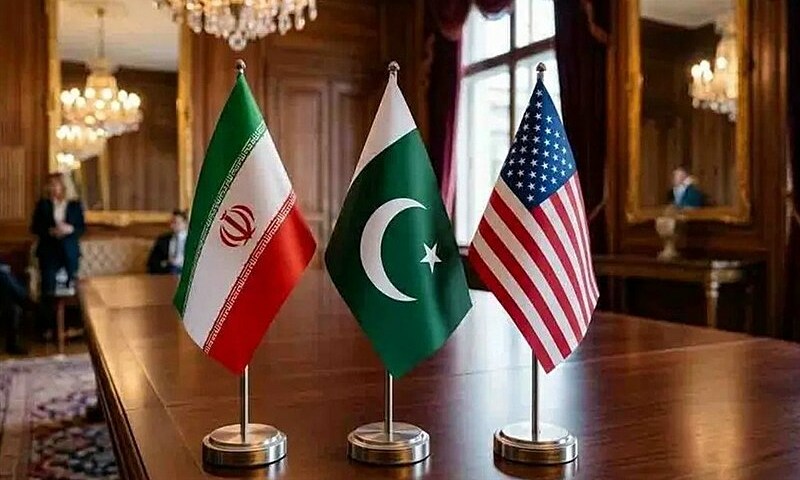
"Before the negotiations, I emphasized that Iran possessed the necessary goodwill and determination, but we did not trust the other side due to experiences from two previous wars," Iran's parliament speaker Mohammad Ghalibaf wrote on social media today.
Ghalibaf led the Iranian delegation to Pakistan for negotiations with US representatives headed by Vice President JD Vance. He revealed that Iran had presented 168 "constructive and forward-looking" proposals, but stated that the US side "failed to build trust during this round of negotiations."
"The US understands Iran's logic and principles. Now it is time for them to decide whether they can earn our trust," Iran's parliament speaker said.
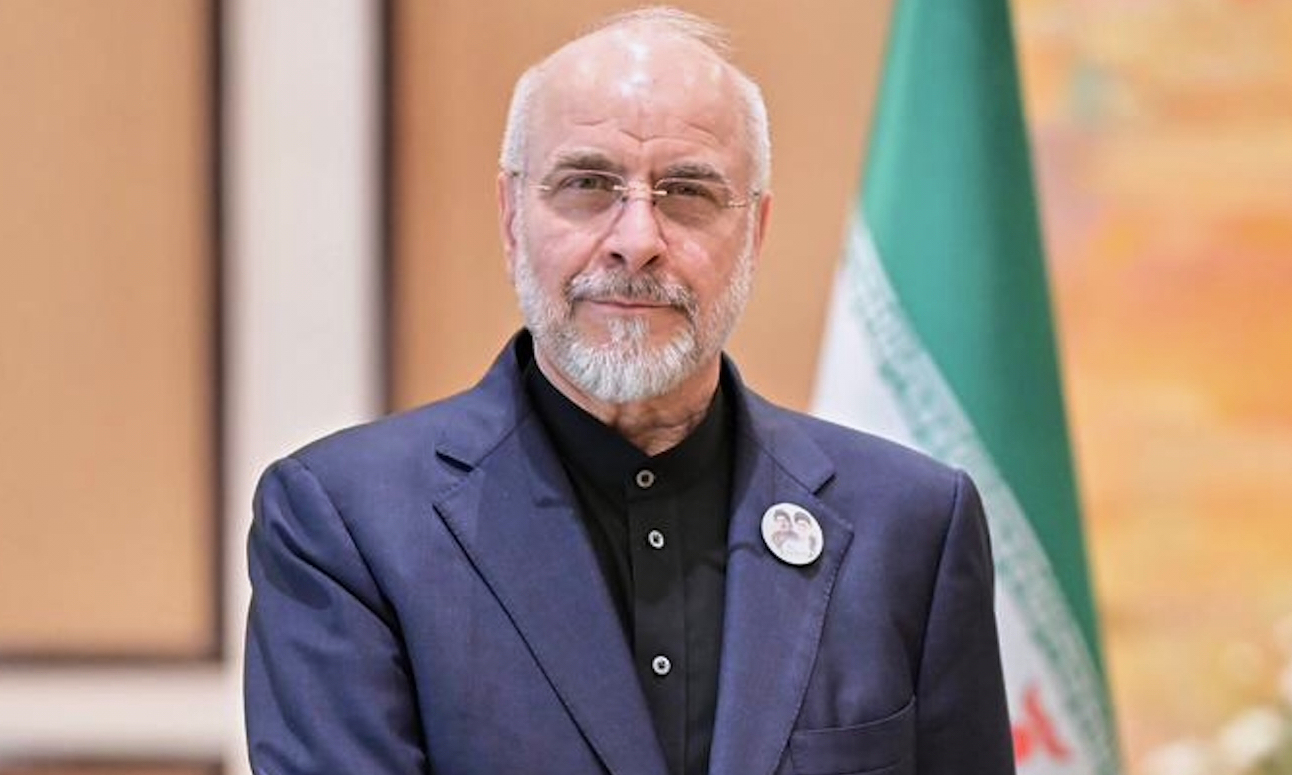 |
Iran's parliament speaker Mohammad Ghalibaf in Islamabad, Pakistan on 11/4. *Photo: AP* |
Ghalibaf stated that diplomacy is one of the methods to protect Iran's interests, alongside military action, and affirmed that Tehran will continue to consolidate achievements made during over one month of conflict.
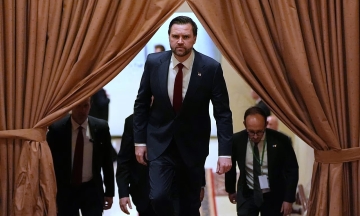
Vice President Vance earlier announced that negotiations concluded without reaching an agreement because Iran rejected "quite flexible" terms from the US, stating that the core issue was Iran's refusal to end its nuclear program.
"We need to see a commitment that they will not pursue nuclear weapons and will not seek tools that allow rapid acquisition of nuclear weapons. We have not seen that yet and hope to," he said when CNN specifically asked about the terms Iran rejected.
Iran's Foreign Ministry spokesperson Esmaeil Baqaei stated that disagreements over "two or three key issues" prevented Tehran from reaching an agreement with Washington during the negotiations in Pakistan. He revealed that both sides had agreed on some points, but "differences in opinion" remained on other matters.
Iranian state media reported that Tehran has no plans for a new round of negotiations, but Baqaei offered a more ambiguous statement. "One should not expect us to reach an agreement in just one session. I do not think anyone expects that to happen," he said.
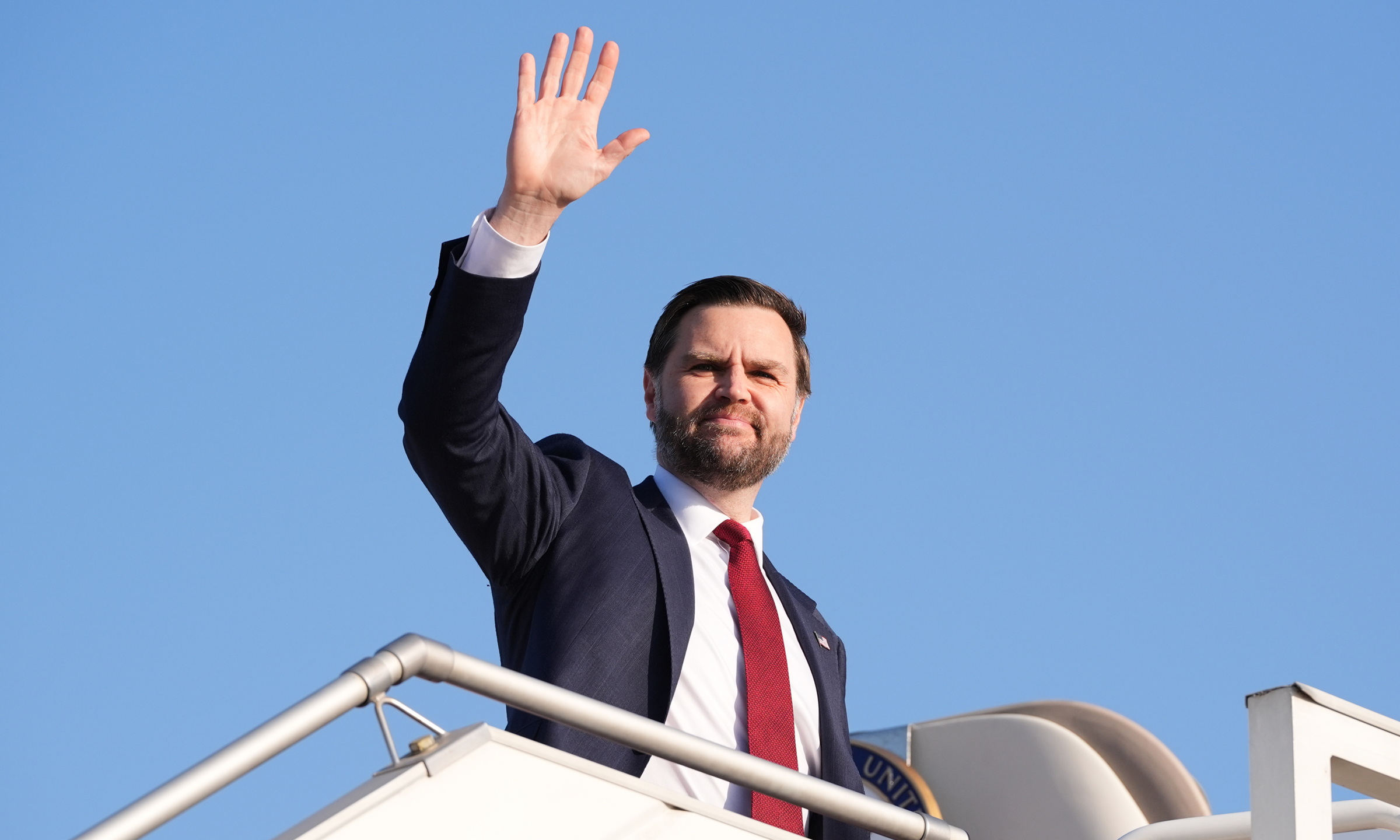 |
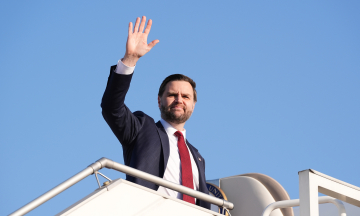
US Vice President JD Vance boarding a plane after negotiations with Iran in Islamabad, Pakistan on 12/4. *Photo: AP* |
The US and Iranian delegations negotiated for 21 hours, concluding in the early morning of 12/4, with Pakistan acting as a mediator. Contrary to usual practice, US and Iranian officials met directly with Pakistani officials, rather than communicating through intermediaries moving between rooms.
A Pakistani official noted that the negotiations were "progressing in the right direction," adding that discussions were positive and conducted in a friendly atmosphere. The event followed a two-week ceasefire agreement reached by the US and Iran on 8/4, intended to facilitate dialogue.
Pham Giang (According to CNN, AFP, IRIB)