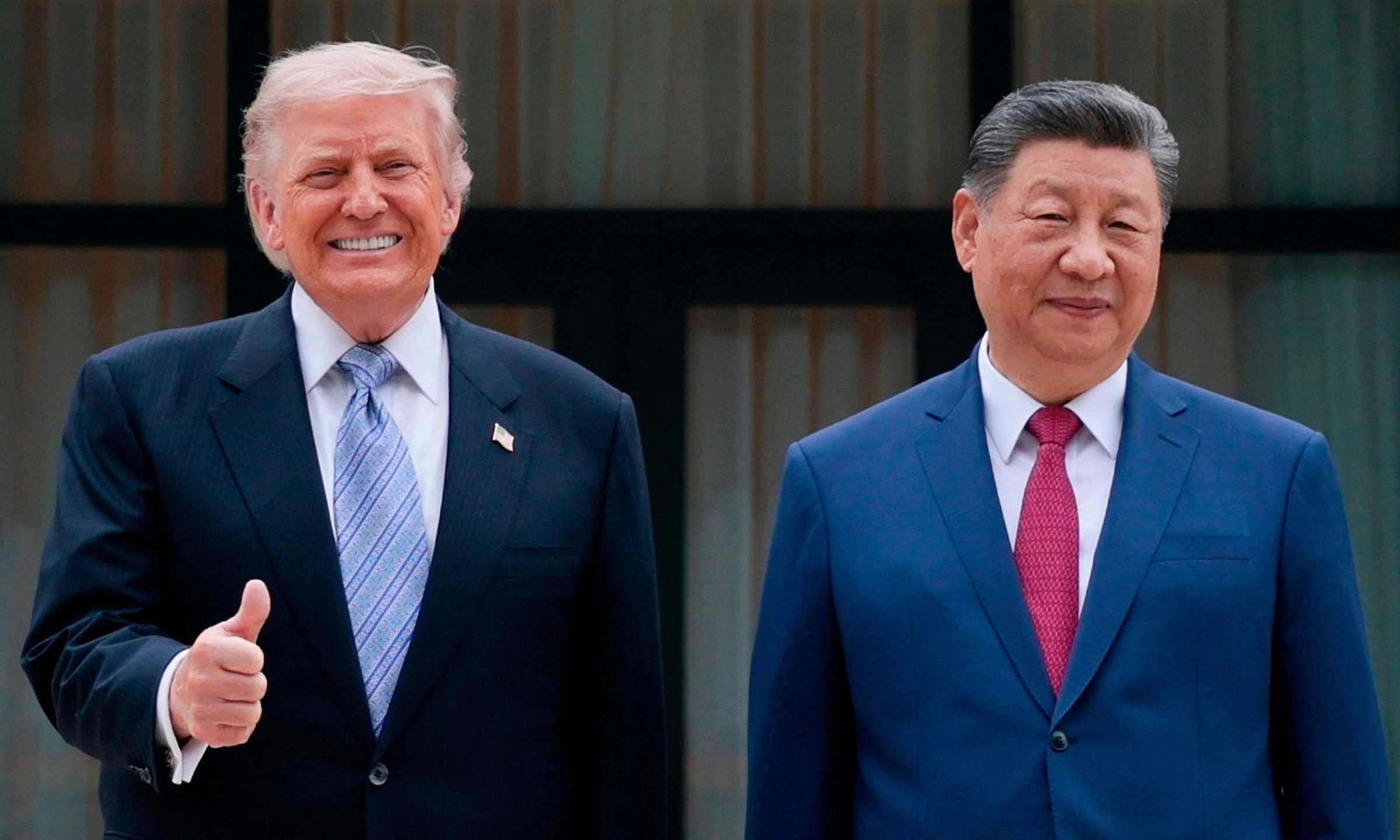
US President Donald Trump announced on Truth Social on 18/9, "I am proud to announce a ban on fake news outlets CNN, MS NOW, and Politico. The decision is effective immediately". This unprecedented move targets three major media organizations.
The White House chief did not specify what prompted this decision, but asserted that "media outlets cannot be permitted to consistently publish fictional or false reports about the US President". He emphasized the necessity of preventing misinformation about his administration.
Later, in the Oval Office, Trump told reporters, "I think someone has the right to stop them if they constantly write untrue stories". Asked if a specific article prompted the ban, the US President responded that the decision stemmed from "a compilation of articles over the past two years". He added, "You get tired of it. They intentionally report negative news to undermine the Republican Party and a Republican President's administration".
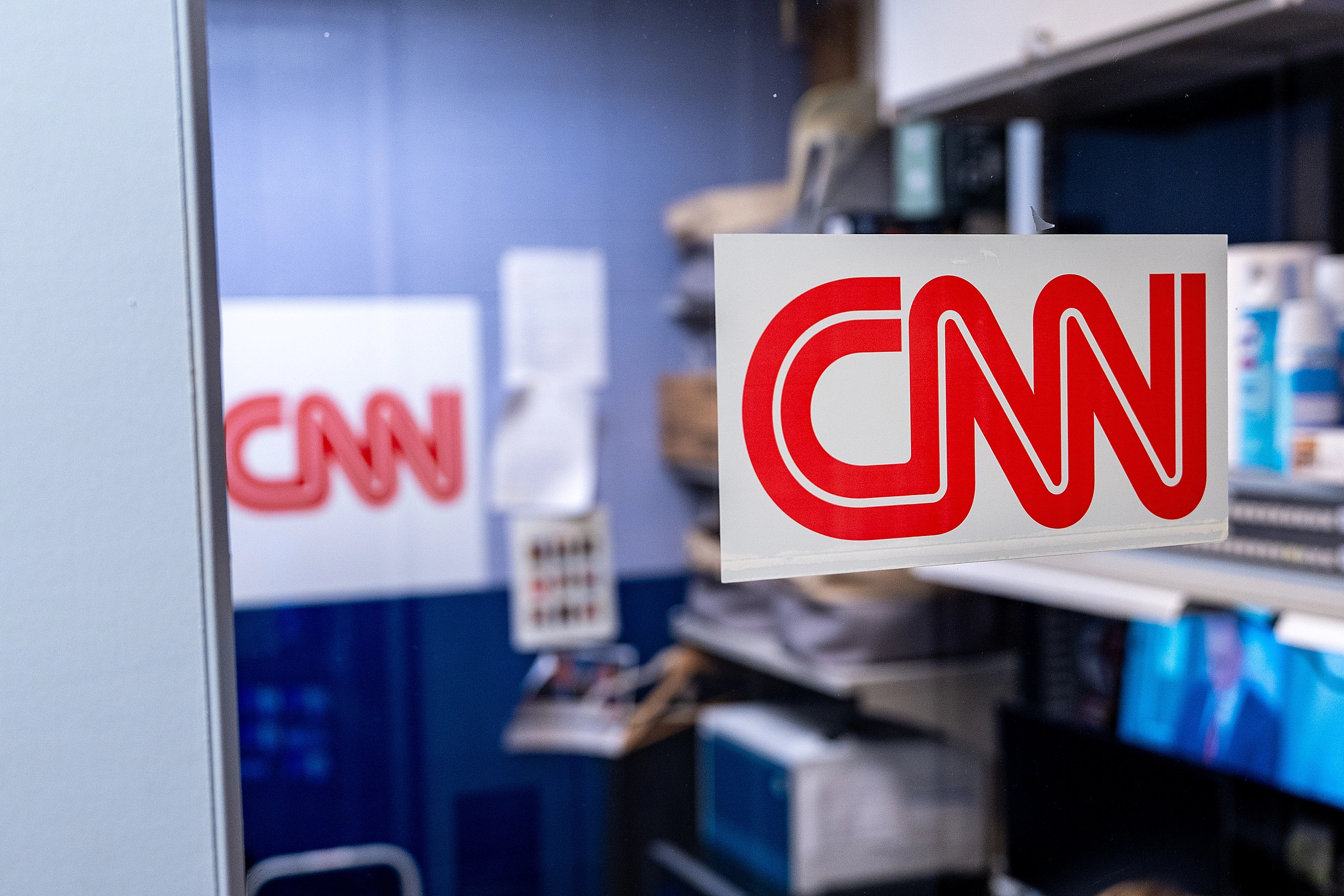 |
CNN's workspace at the White House on 18/9. *Photo: AP*
Defense Secretary Pete Hegseth supported Trump's new ban, accusing the media outlets of "endangering military personnel" through their reporting. Hegseth did not specify the articles that allegedly posed such risks.
Despite Trump's announcement, journalists from CNN, MS NOW (the new name for MSNBC), and Politico remained on White House grounds. Their continued presence highlighted the immediate challenges to enforcing the ban.
CNN described the President's ban as "illegal", asserting its reporting is "fair, accurate", and protected by the US Constitution. Politico vowed to "resolutely defend" press freedoms guaranteed by the First Amendment, indicating a legal challenge to the ban.
The White House Correspondents' Association, an independent body representing journalists covering the President, expressed its solidarity with those "targeted simply for doing their jobs". The association underscored the importance of an unfettered press in a democracy.
Publicly banning a media outlet from operating at the White House is rare for a US President, though Trump previously banned CNN reporter Jim Acosta during his first term. A court later overturned that ban, setting a precedent for media access.
Last year, the White House chief barred news agency AP from certain events for continuing to use "Gulf of Mexico" instead of his preferred term, "Gulf of America". This prior incident also demonstrated the administration's willingness to control media narratives and access.
Huyen Le (According to AFP, CNN)