"There is a high probability that we will reach a deal with Iran. They have agreed to hand over 'nuclear dust' to us," US President Donald Trump told reporters outside the White House on 16/4. He used the term "nuclear dust" to refer to Tehran's enriched uranium stockpile.
However, Trump did not provide details or evidence for this claim. Iranian officials have not commented on the information, and Tehran has not previously shown any public signals that it would relinquish its enriched uranium reserves.
President Trump affirmed that any agreement with Iran must permanently prevent the country from possessing nuclear weapons. The US leader also expressed optimism about the Iran issue, leaving open the possibility of extending a ceasefire agreement set to expire next week, but suggested it might not be necessary.
"If a deal is signed in Islamabad, I may go. They want me there," he added.
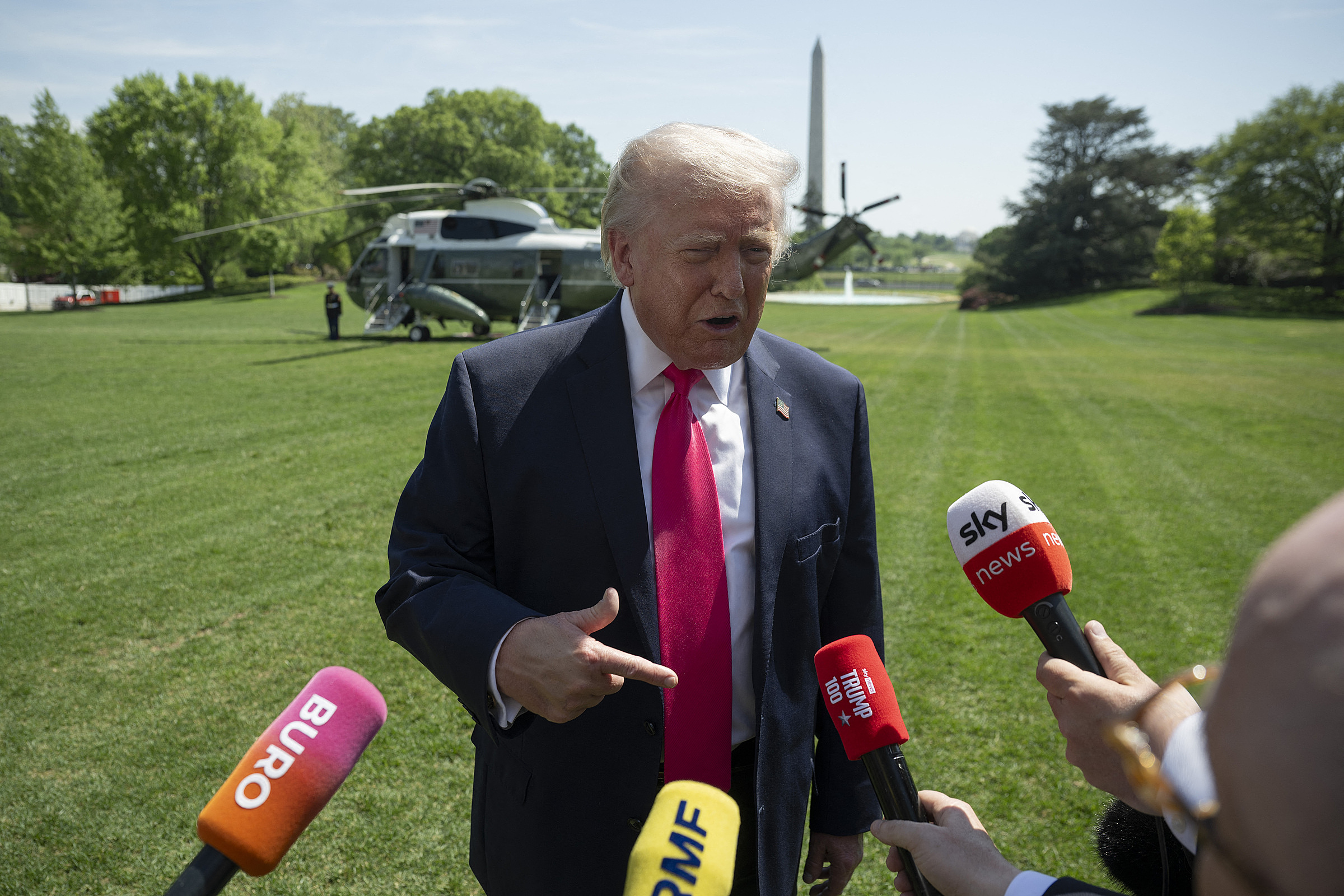 |
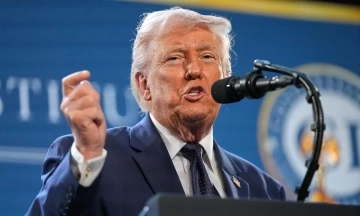
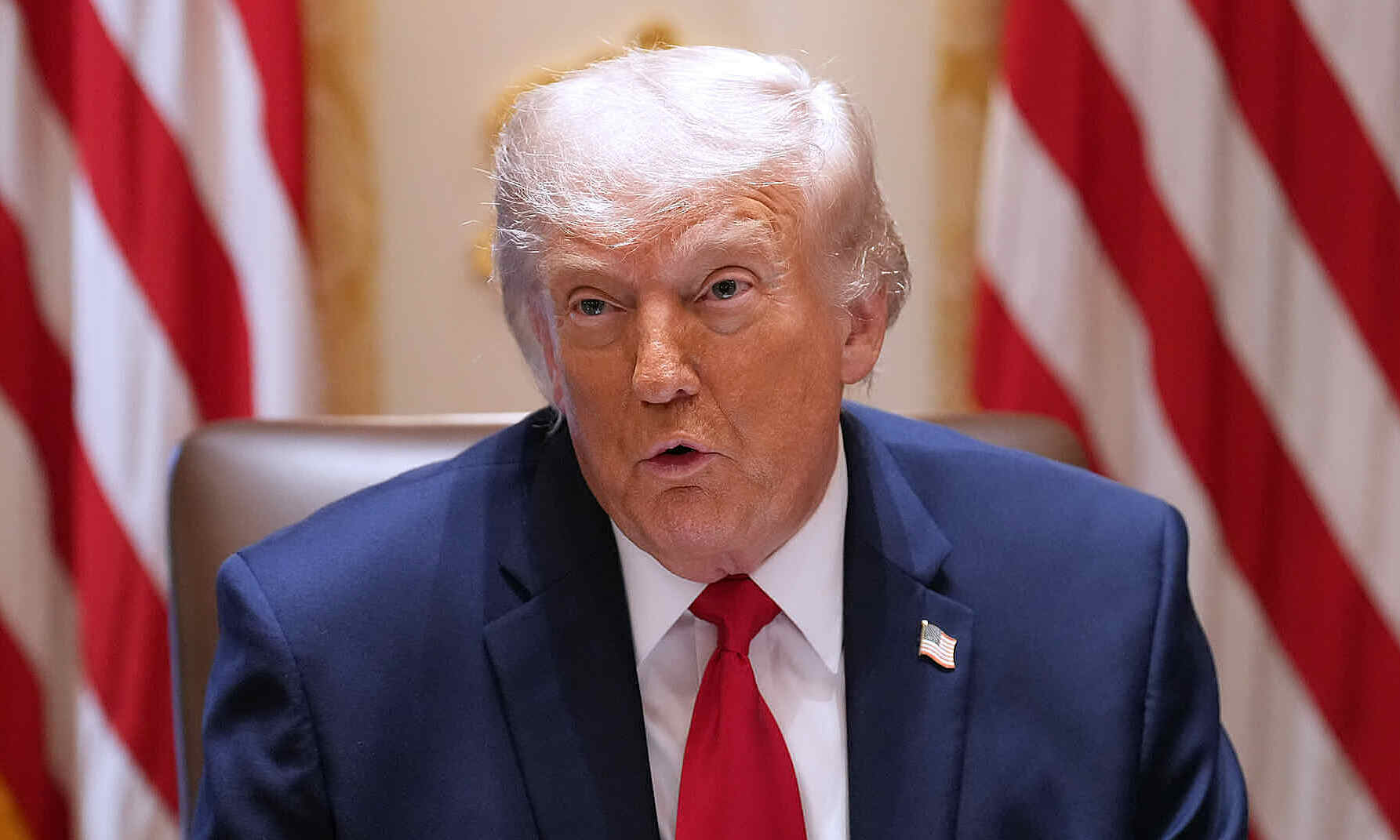
US President Donald Trump answers reporters outside the White House on 16/4. Photo: AFP |
The US and Iran remain at odds over several issues in negotiations, primarily Tehran's nuclear program. The US reportedly proposed suspending Iran's uranium enrichment program for 20 years, while Tehran offered 5 years, which Washington rejected.
Iran has repeatedly asserted that its nuclear program is for peaceful purposes. On 15/4, Tehran declared its right to enrich uranium "undisputable," though the level of enrichment could be "negotiated."
According to the International Atomic Energy Agency (IAEA), Iran currently holds approximately 400 kg of uranium enriched to 60%, close to weapons-grade level of 90%. However, the whereabouts of this uranium are unclear following US airstrikes in 6/2025.
Vice President JD Vance stated that the US not only wants to ensure Iran does not possess nuclear weapons but also aims to establish mechanisms to prevent this capability, including eliminating Tehran's uranium enrichment capacity. Vance suggested the uranium should be removed from Iranian territory to ensure transparency and increase oversight.
Negotiations between the US and Iran last week in Pakistan concluded without an agreement. The US Navy subsequently announced the enforcement of a blockade of Iranian ports, a move condemned by Tehran.
White House Press Secretary Karoline Leavitt said that further talks between the US and Iran are "very likely" to take place in Islamabad. Pakistan Foreign Ministry Spokesperson Tahir Andrabi stated that no specific date has been set for the event.
Pakistan Army Chief Asim Munir met with Iran Parliament Speaker Mohammad Bagher Ghalibaf on 16/4. Ghalibaf led the Iranian delegation in the first round of negotiations. The Iranian Ambassador to the United Nations later expressed that Tehran is "cautiously optimistic" about peace talks with Washington and hopes for "meaningful results."
Huyen Le (According to AFP, Reuters)