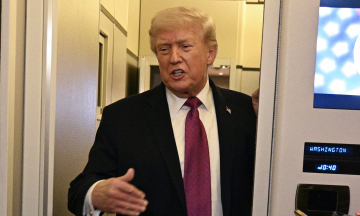
"We are talking to them. They want to close the Strait again. But as you know, as they have done for many years, they cannot blackmail us," US President Donald Trump told reporters in the Oval Office on 18/4.
He indicated that "some information" about Iran would be released later in the day, adding that "things are progressing very well." President Trump also affirmed that the US maintains a firm stance with Iran.
The US leader's comments came after Iran announced on 18/4 that it would re-impose restrictions in the Strait of Hormuz, reversing a decision made the previous day to fully open it to commercial vessels.
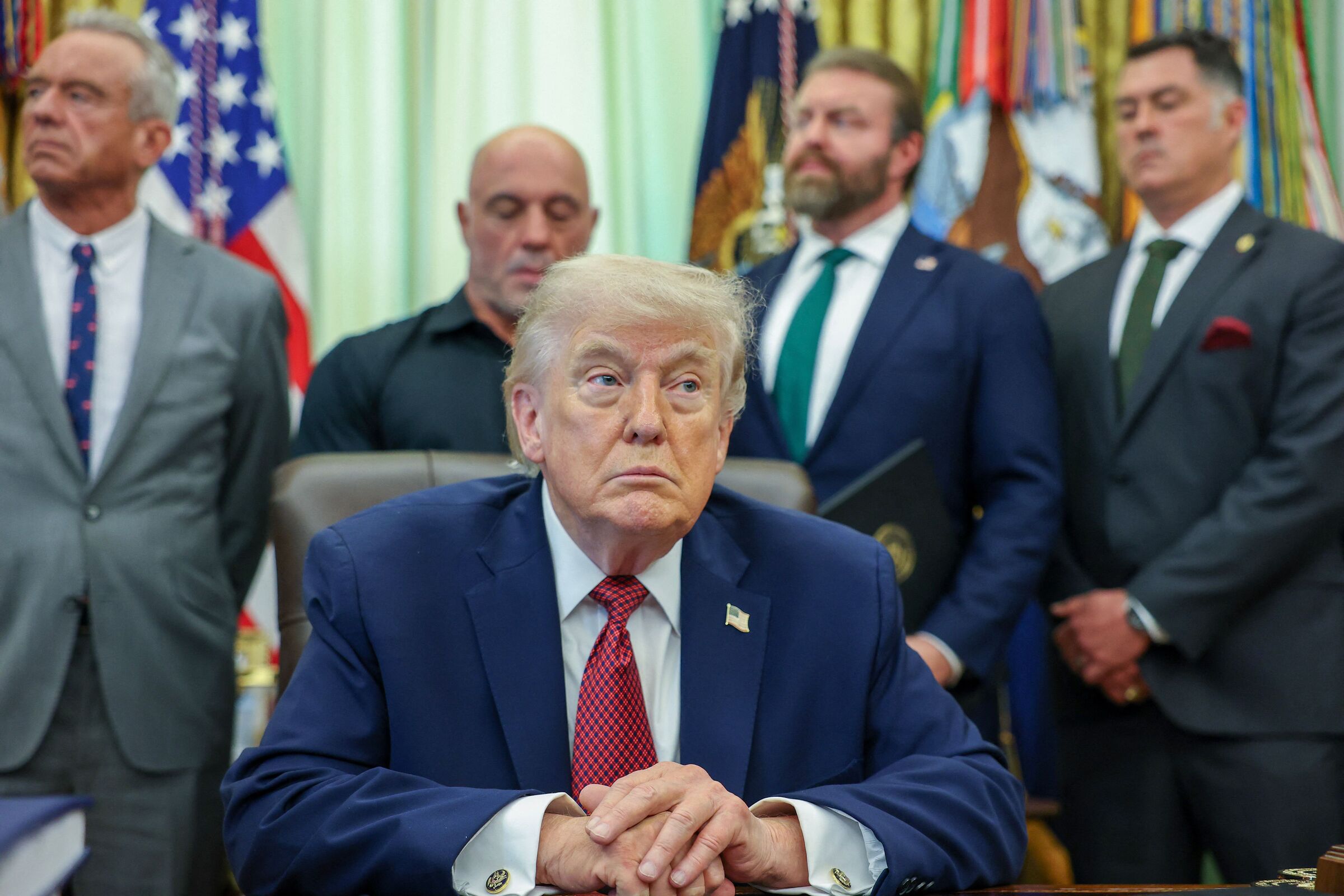 |
US President Donald Trump at the White House on 18/4. Photo: AFP |
Iran's Supreme National Security Council (SNSC) emphasized that Tehran will continue to closely monitor and control the Strait until the US-Israel conflict fully concludes and lasting peace is established. The SNSC explained that a significant portion of logistical support for US military bases in the Persian Gulf is provided through the Strait of Hormuz, which poses a threat to Iran's national and regional security.
Control of the Strait involves gathering comprehensive information from passing vessels, issuing transit certificates according to wartime regulations issued by Iran, and requiring ships to pay fees related to security, safety, and environmental protection services. Vessels must also navigate along Iran-designated routes.
The statement also warned that "as long as the adversary seeks to disrupt vessel traffic or impose measures like a naval blockade," Iran will consider this a violation of the ceasefire and will not allow the Strait of Hormuz to reopen.
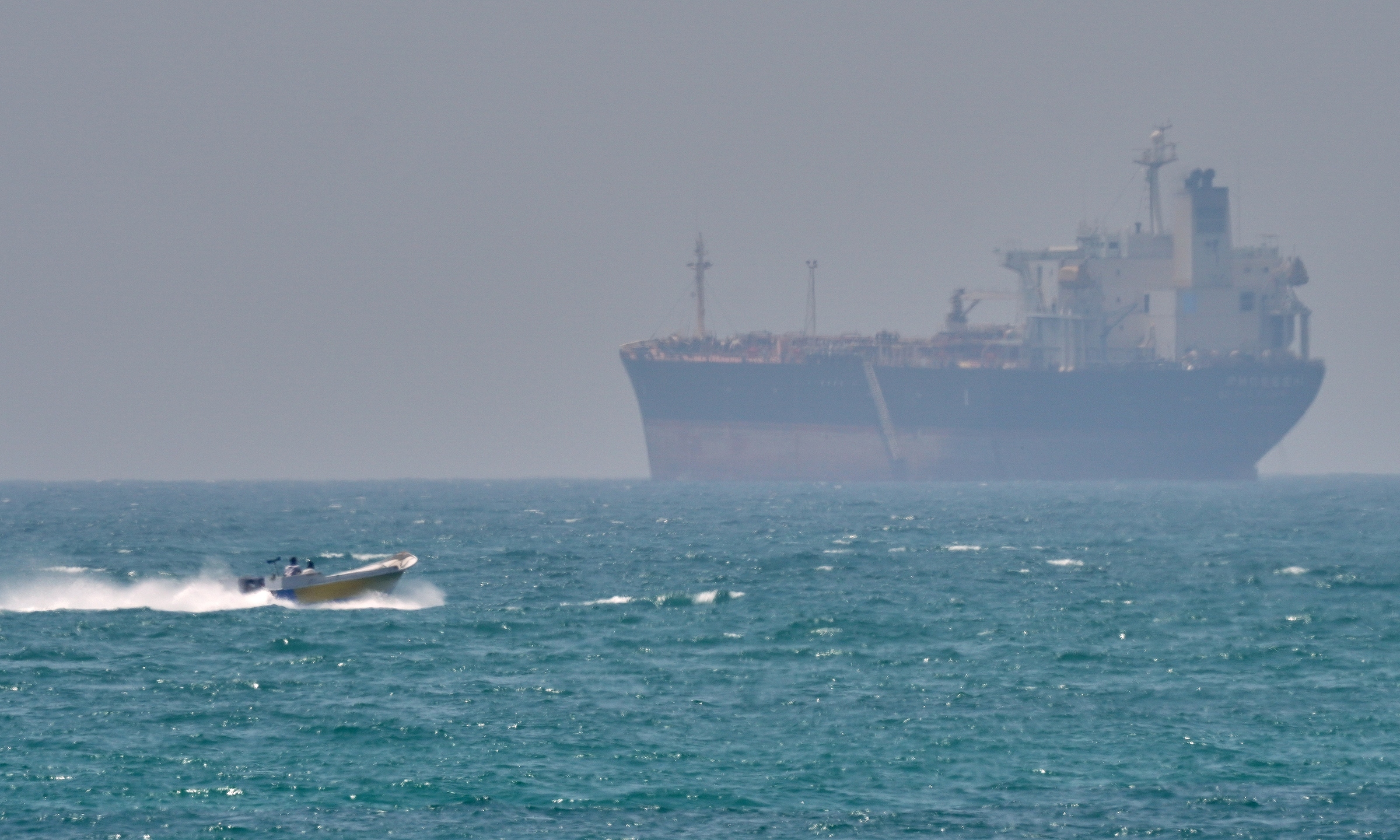
The UK Maritime Trade Operations (UKMTO) recorded at least two attacks on vessels in the Strait of Hormuz after Iran announced the re-imposition of restrictions.
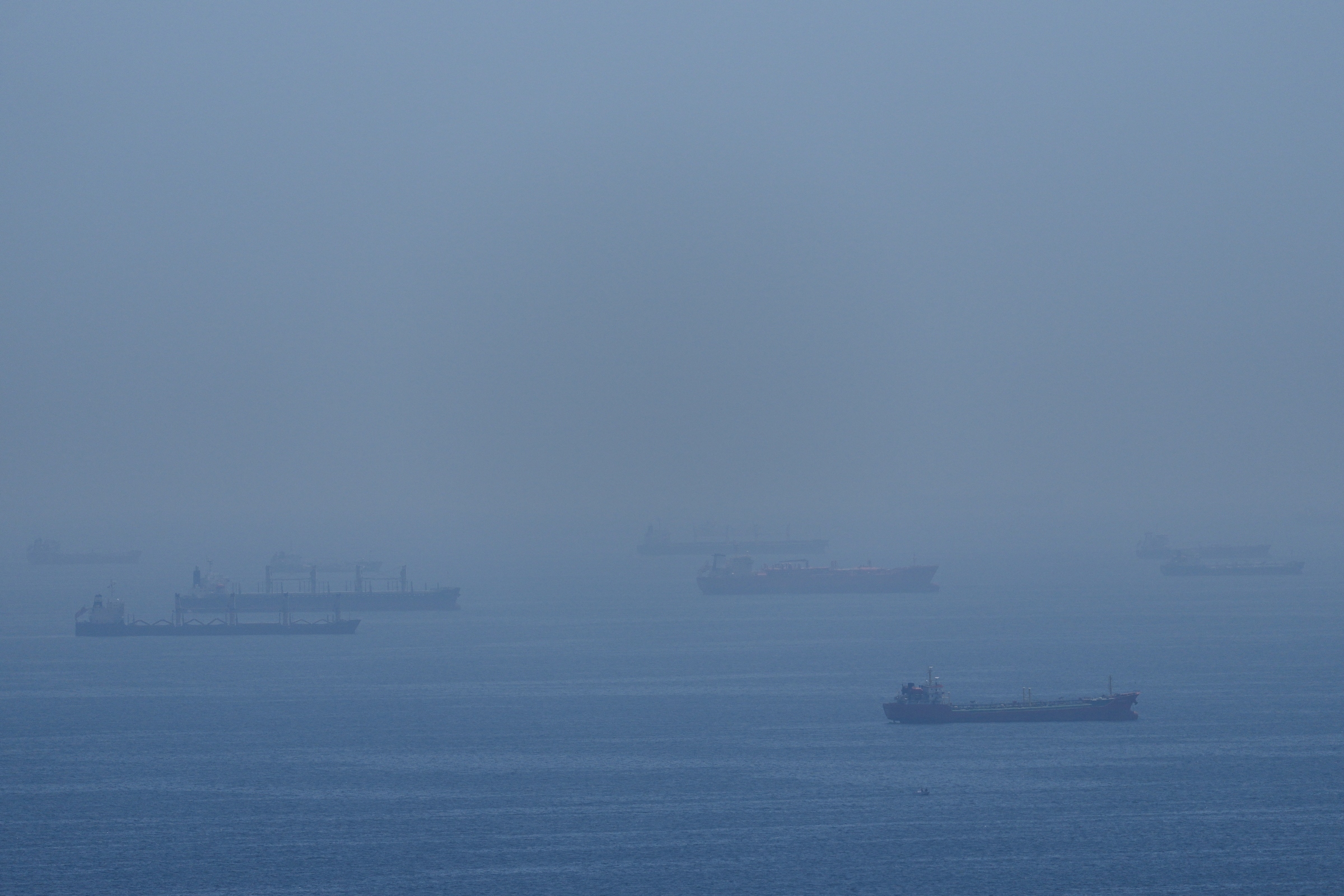 |
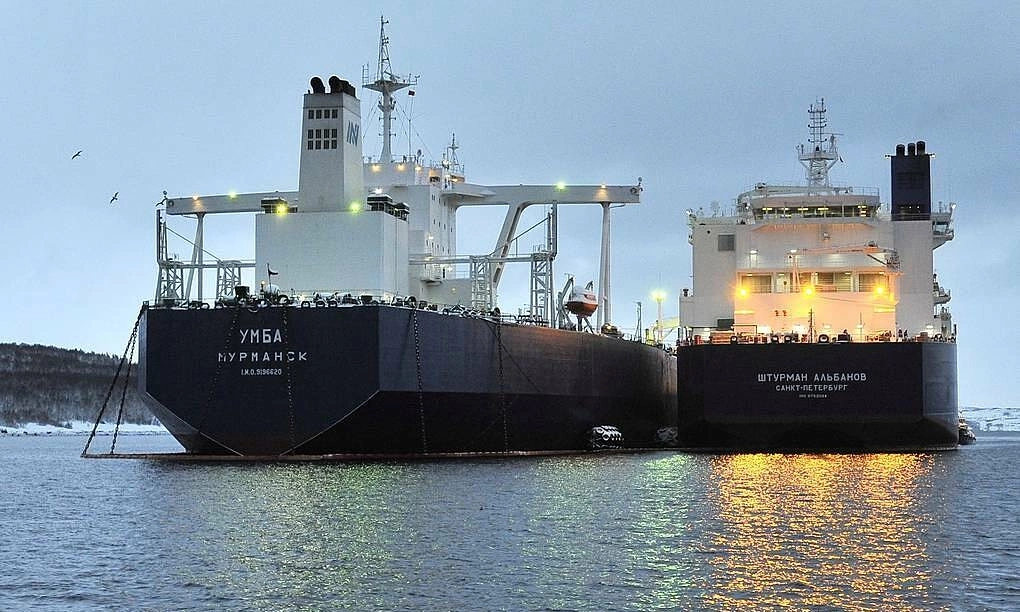
Vessels anchored in the Strait of Hormuz on 18/4. Photo: AP |
The SNSC reported that recent conflict resolution talks failed because the US side introduced additional demands that Iran rejected, asserting that Tehran would not compromise on core positions. Consequently, further negotiations have been postponed until Washington adjusts its stance to align with realities on the battlefield.
The SNSC statement added that Iran recently received new proposals via Pakistani intermediaries and is reviewing them. It stressed that Iran's negotiating team will not concede on national interests and will continue to "defend the rights and sacrifices of its people."
Thanh Tam (According to AFP, Tasnim)