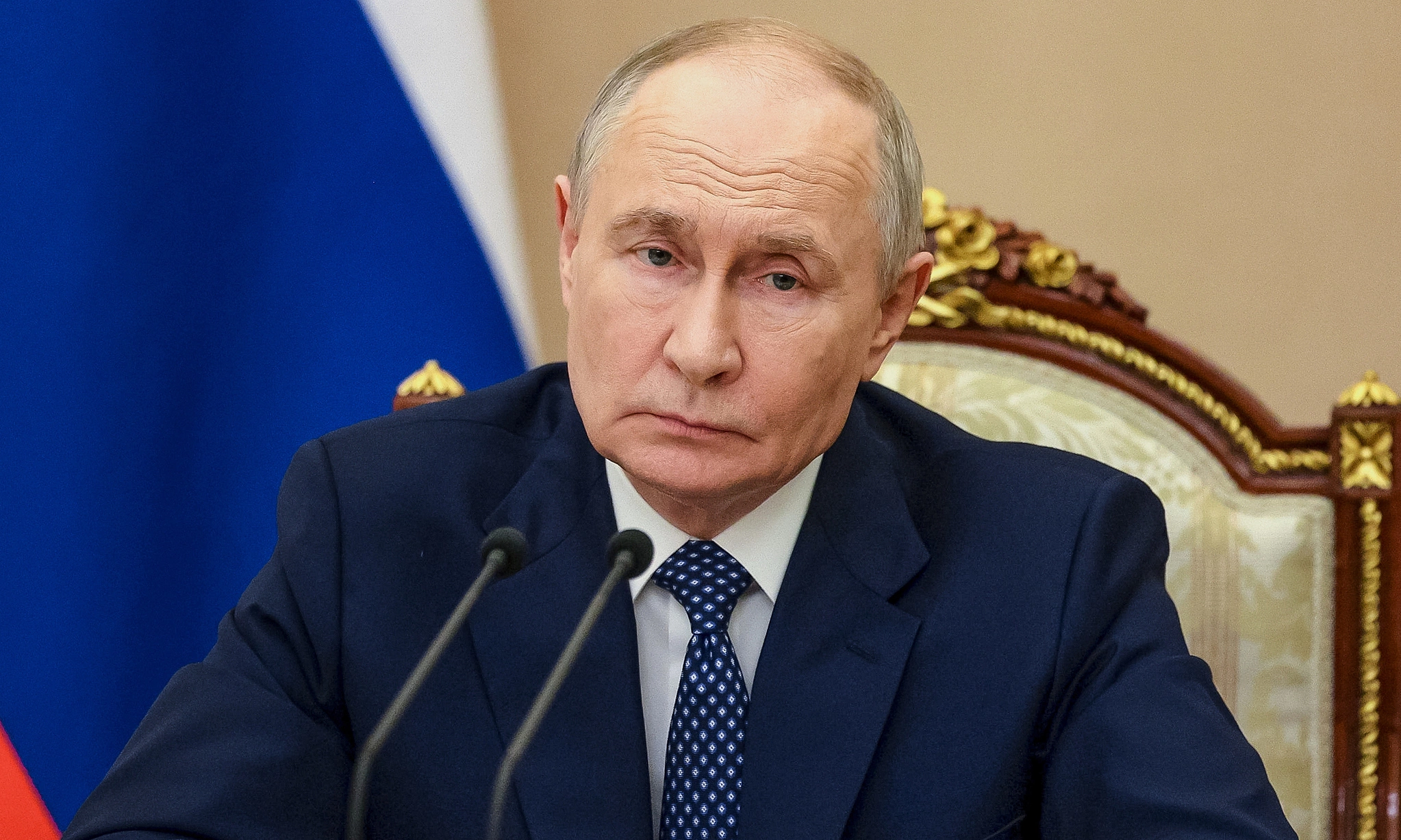
"I had a very productive phone call with Prime Minister Bibi Netanyahu of Israel; no military forces will be sent to Beirut. All soldiers en route have turned back", US President Donald Trump wrote on social media on June 1, using the informal nickname for Prime Minister Benjamin Netanyahu.
The US leader added that he also had a good phone call with Hezbollah, stating that the Lebanese armed group had agreed to cease hostilities. "Israel is not attacking them, and they will not attack Israel", he stated.
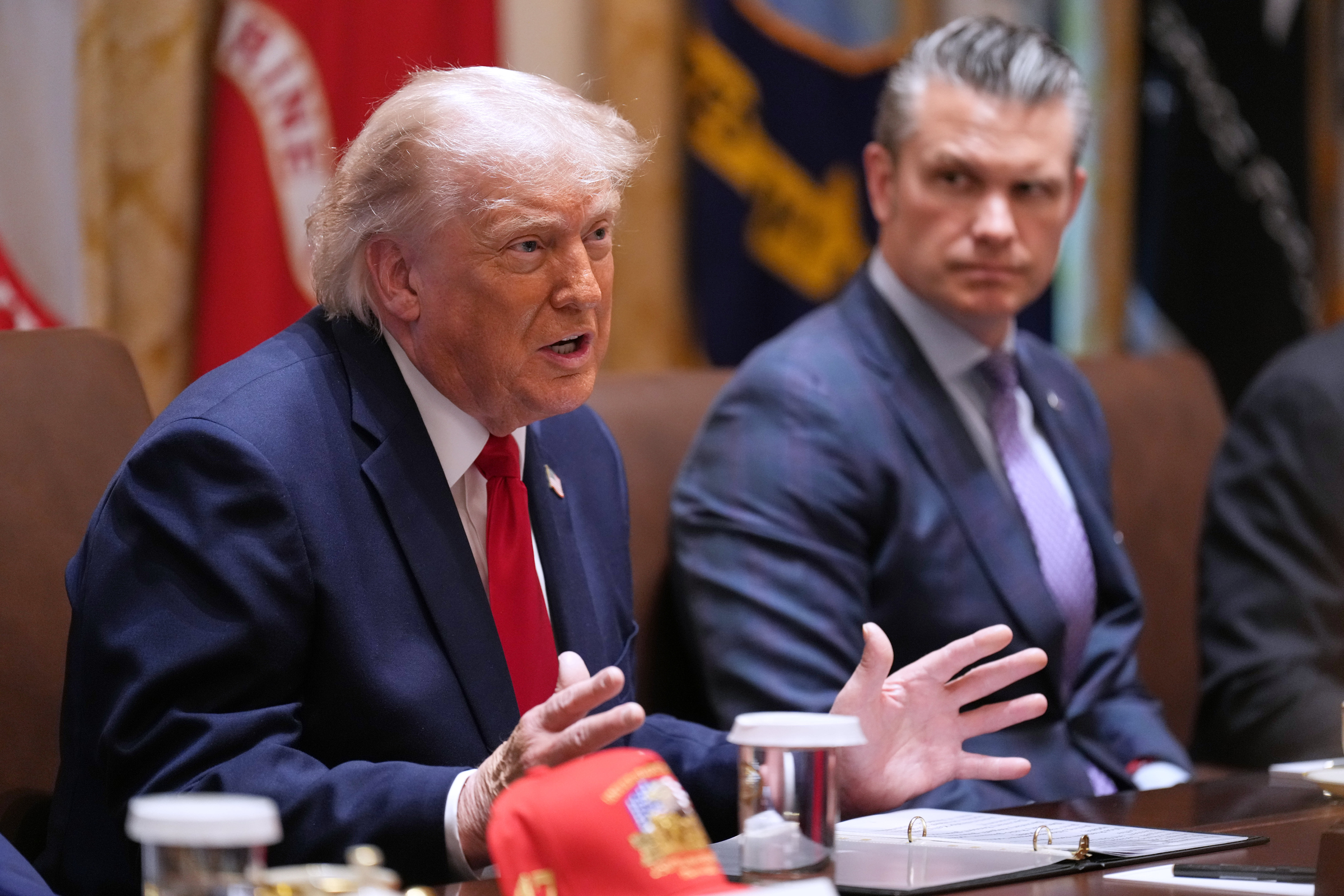 |
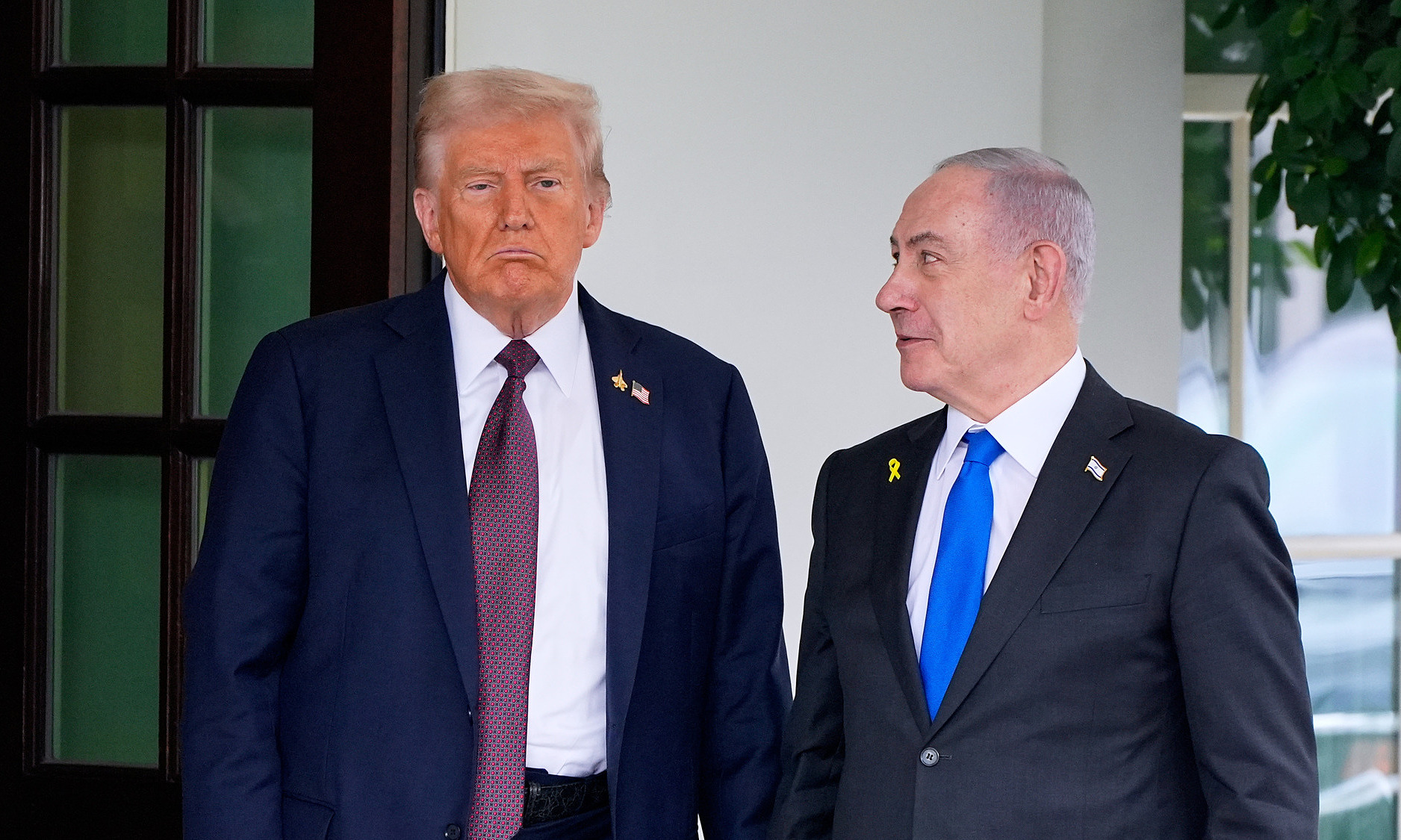
President Donald Trump (left) at a White House meeting on May 27. *AP* |
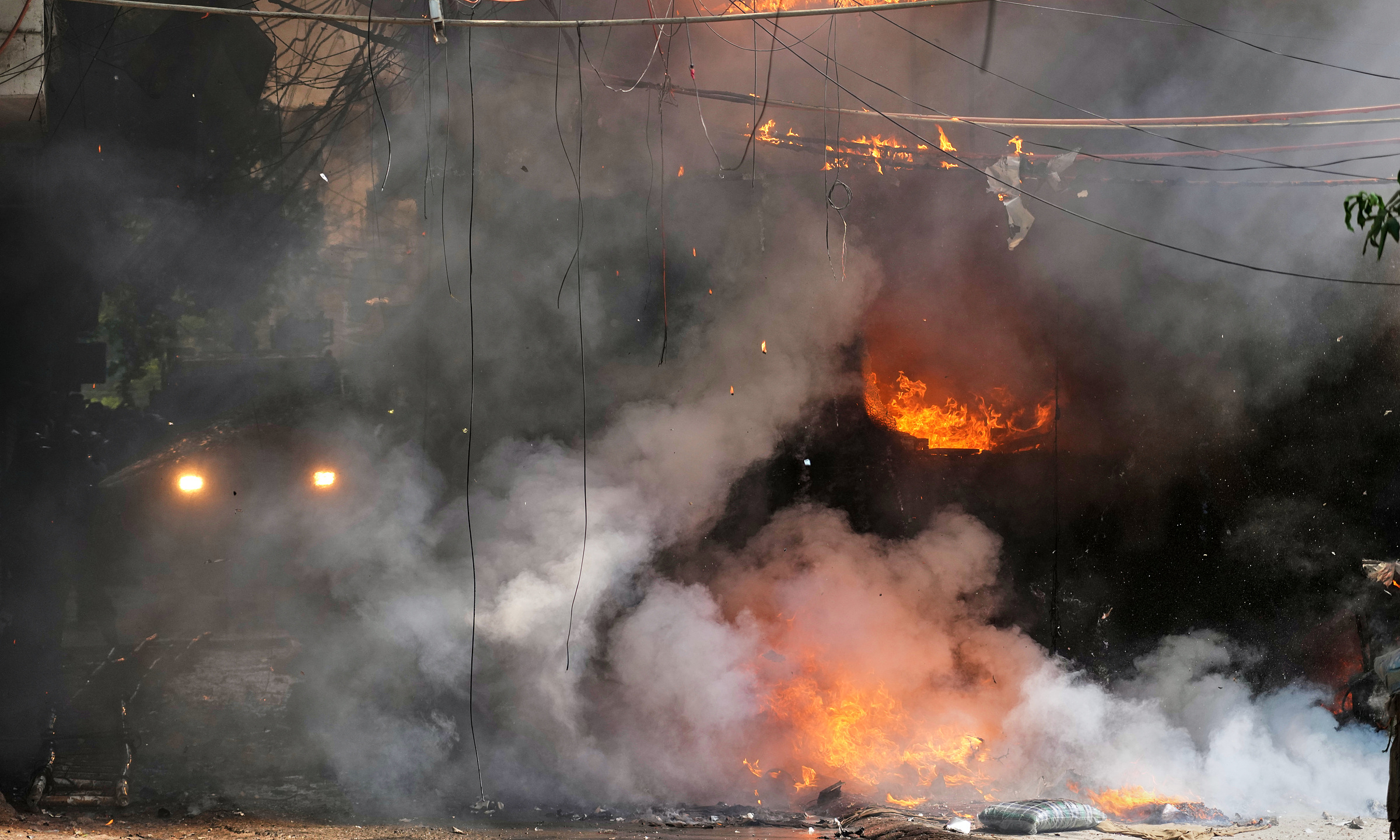
Prime Minister Netanyahu appeared skeptical of Trump's announcement, stating that Israel would attack Beirut if Hezbollah did not cease military actions. "I spoke with President Trump, telling him that if Hezbollah does not stop attacking our cities and citizens, Israel will strike targets in Beirut", he said.
President Trump maintained his stance, asserting that the Israeli leader had "turned back the military" and abandoned plans for a major attack on Beirut, reiterating his claim that Hezbollah and Israel had agreed to a ceasefire. "Let's see how long that lasts. Hopefully forever!", he wrote on social media.
Lebanon confirmed on the same day that Hezbollah had accepted the US proposal to cease attacks on Israel in exchange for Israel ending strikes on southern Beirut.
Hassan Fadlallah, a Hezbollah member of parliament in Lebanon, stated that the group's position was to "demand a comprehensive ceasefire across all Lebanese territory". Hezbollah also claimed responsibility for numerous attacks on Israeli targets, primarily in southern Lebanon, even after Trump's announcement.
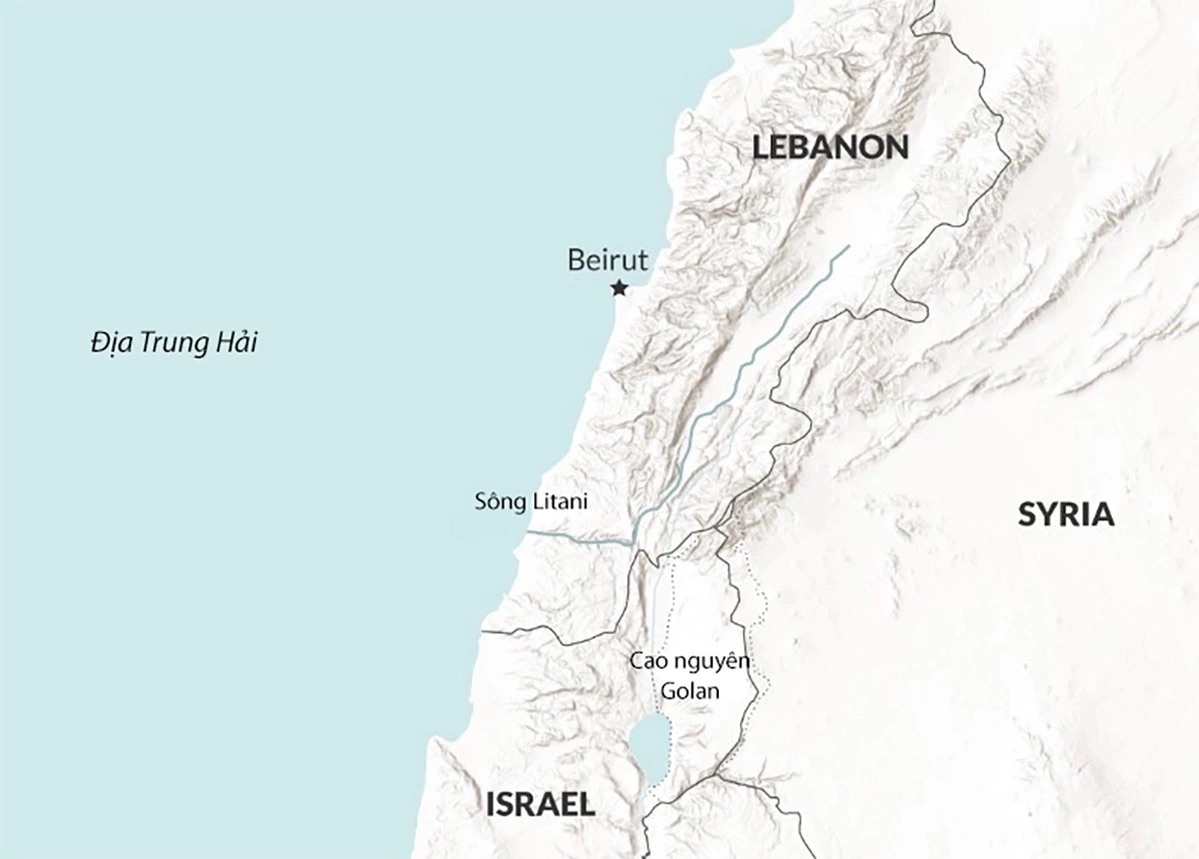 |
Location of Israel and Lebanon. *RANE* |
Iran previously stated that a ceasefire in Lebanon remained a key condition for any agreement with the US, warning it would open "new fronts" if Israel attacked Lebanon.
In a Truth Social post on June 1, President Trump stated that "negotiations with the Islamic Republic of Iran are continuing at a rapid pace". However, in a phone interview with CNBC, he declared he "did not care" if talks with Iran collapsed. "Frankly, I think they're starting to get boring", he said.
Thanh Tam (*AFP*)