US President Donald Trump signed a decree on 9/1 designating Venezuela's oil revenue, held in US accounts, "solely for sovereign purposes". The order states that any judicial process attempting to seize these funds would be considered "gravely detrimental to the national security and foreign policy" of the US.
Trump declared a national emergency to implement the decree, clarifying that these funds are Venezuela's sovereign assets, held by the US for governmental and diplomatic objectives, not as private property. He emphasized that any legal efforts to claim these funds would impede initiatives aimed at "ensuring economic and political stability in Venezuela". The legal foundation for this protection of Venezuela's oil revenue in the US Treasury stems from the International Emergency Economic Powers Act of 1977 and the National Emergencies Act of 1976.
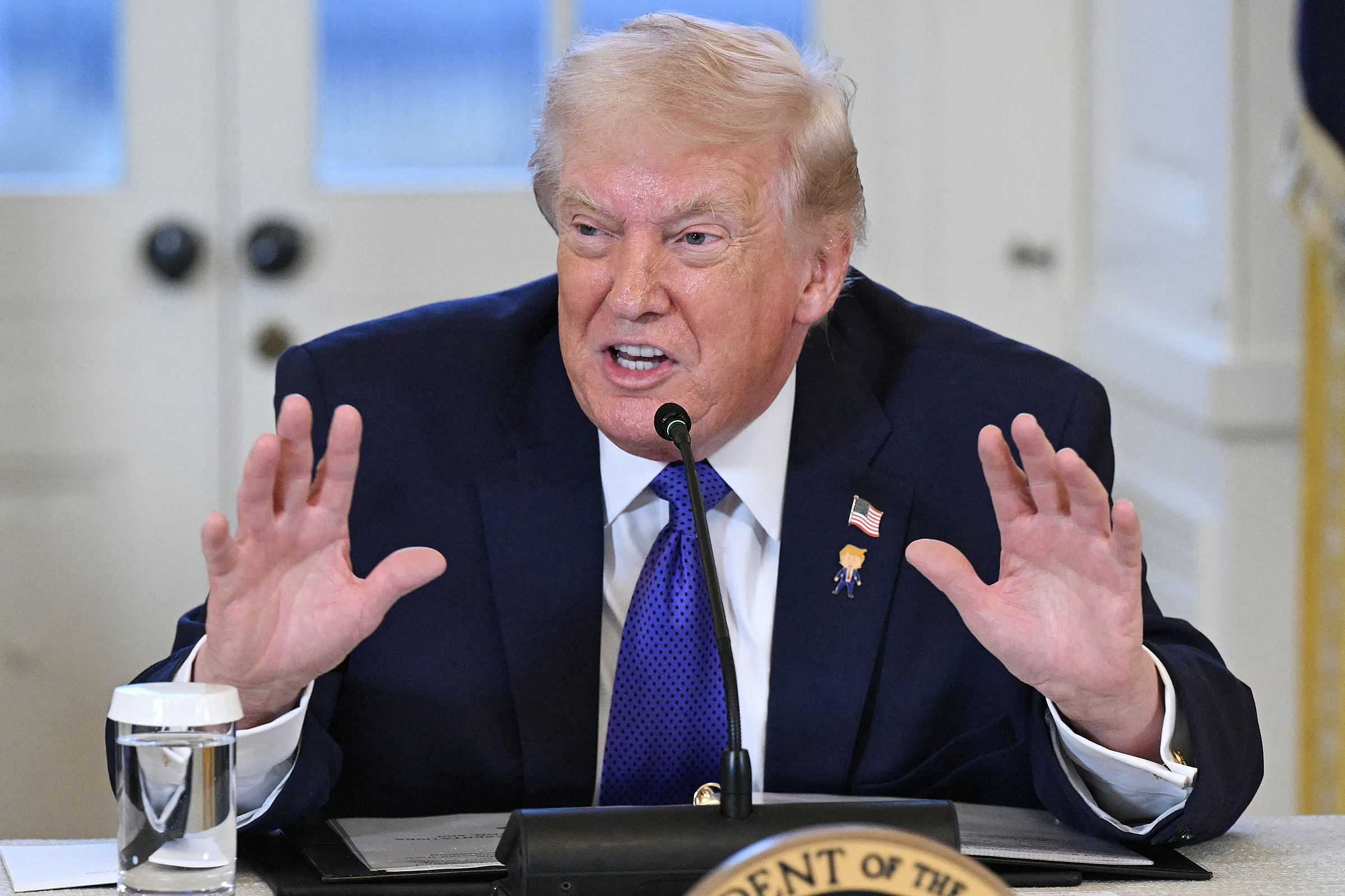 |
US President Donald Trump at a meeting with oil and gas executives at the White House on 9/1. *Photo: AFP* |
The decree was signed nearly one week after US forces conducted a raid in Caracas, leading to the arrest of Venezuelan President Nicolas Maduro and his wife. They face multiple charges, including drug trafficking, though the Venezuelan leaders maintain their innocence.
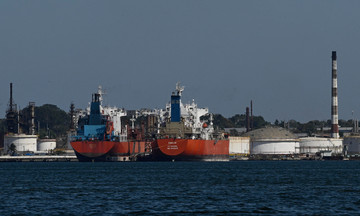
Following the operation, Trump indicated that the two nations "are cooperating well" on rebuilding Venezuela's oil and gas infrastructure. He also suggested that major US oil corporations would invest at least 100 billion USD in the South American country.
However, during a meeting with leaders of major oil companies on 9/1, where Trump sought to persuade them to invest in Venezuela, ExxonMobil CEO Darren Woods stated that it is "not possible to invest" in Venezuela at present. Both ConocoPhillips and ExxonMobil previously withdrew from Venezuela after the government nationalized the oil and gas industry and other key sectors under former President Hugo Chavez. These companies have filed lawsuits against Venezuela, seeking billions of USD in compensation for confiscated assets.
Chevron remains the only major US oil company currently operating in Venezuela, maintaining its presence through a special license issued by the Trump administration. Meanwhile, interim Venezuelan President Delcy Rodriguez has sent mixed signals regarding potential cooperation with the US. The AFP news agency noted that Rodriguez appears concerned about retaining support from hardliners who exert control over Venezuela's security forces and militia. Experts highlight that Venezuela's oil infrastructure is in severe disrepair, a consequence of years of mismanagement and international sanctions.