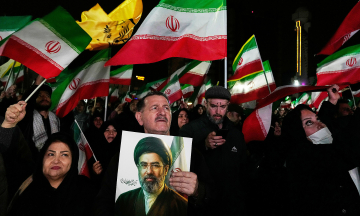
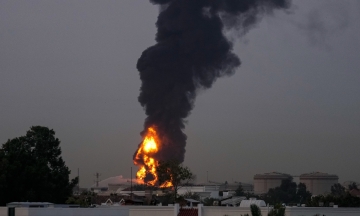
Iranian parliament speaker Mohammad Bagher Ghalibaf on 29/3 accused the United States of secretly preparing plans for a ground attack while publicly conveying messages of negotiation and dialogue.
The Washington Post previously cited unnamed US officials who stated that internal discussions within the administration of president Donald Trump had addressed the possibility of occupying Kharg island, a vital Iranian oil export hub, as well as conducting raids on coastal areas to lift the blockade of the Hormuz strait.
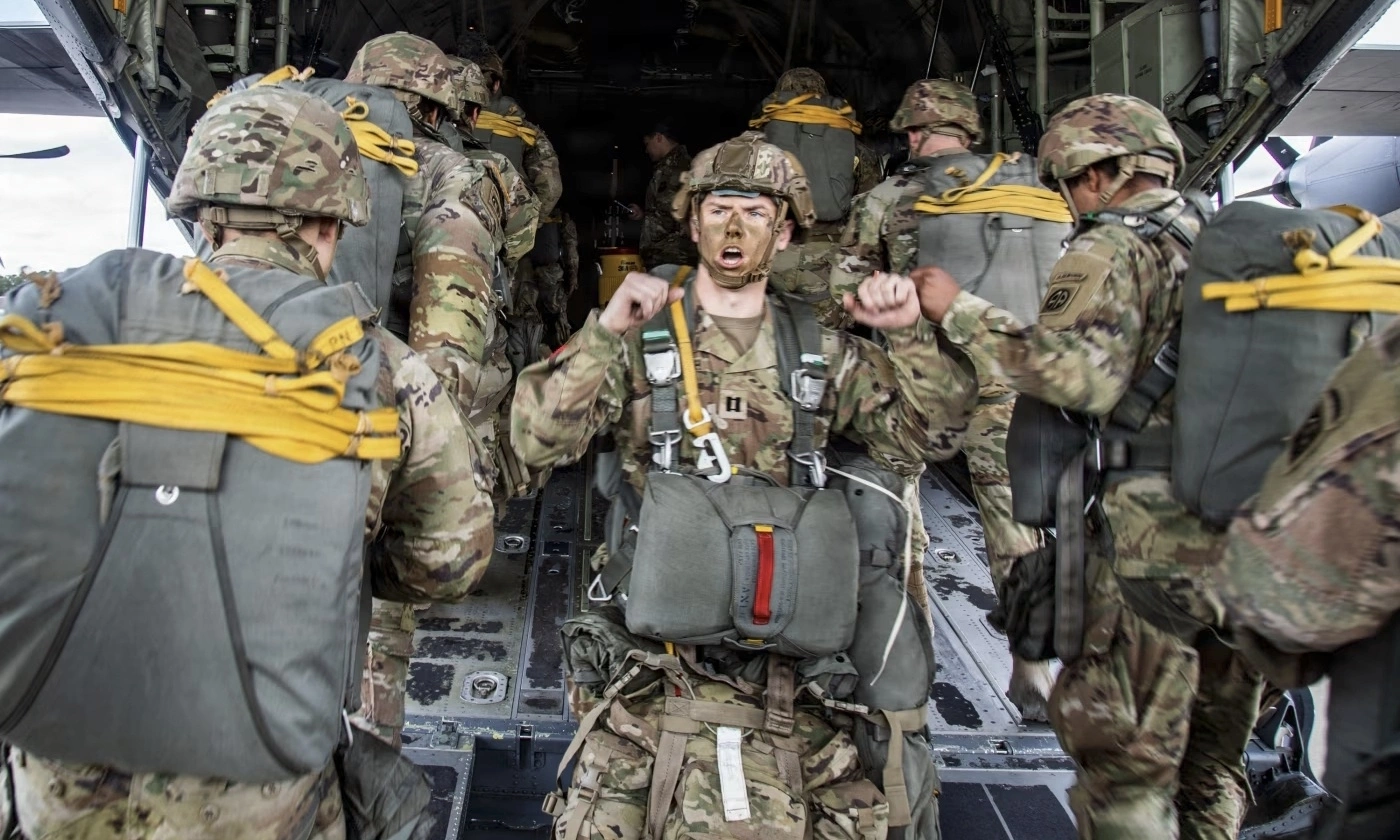 |
Soldiers from the 82nd Airborne Division prepare for a parachute exercise at Fort Bragg, North Carolina, 2022. Photo: US Army
The official noted that the Pentagon had developed plans for a landing in Iran over several weeks, amid the deployment of thousands of marines and paratroopers to the middle east. It remains unclear whether president Trump will approve the Pentagon's plan in full, in part, or reject it.
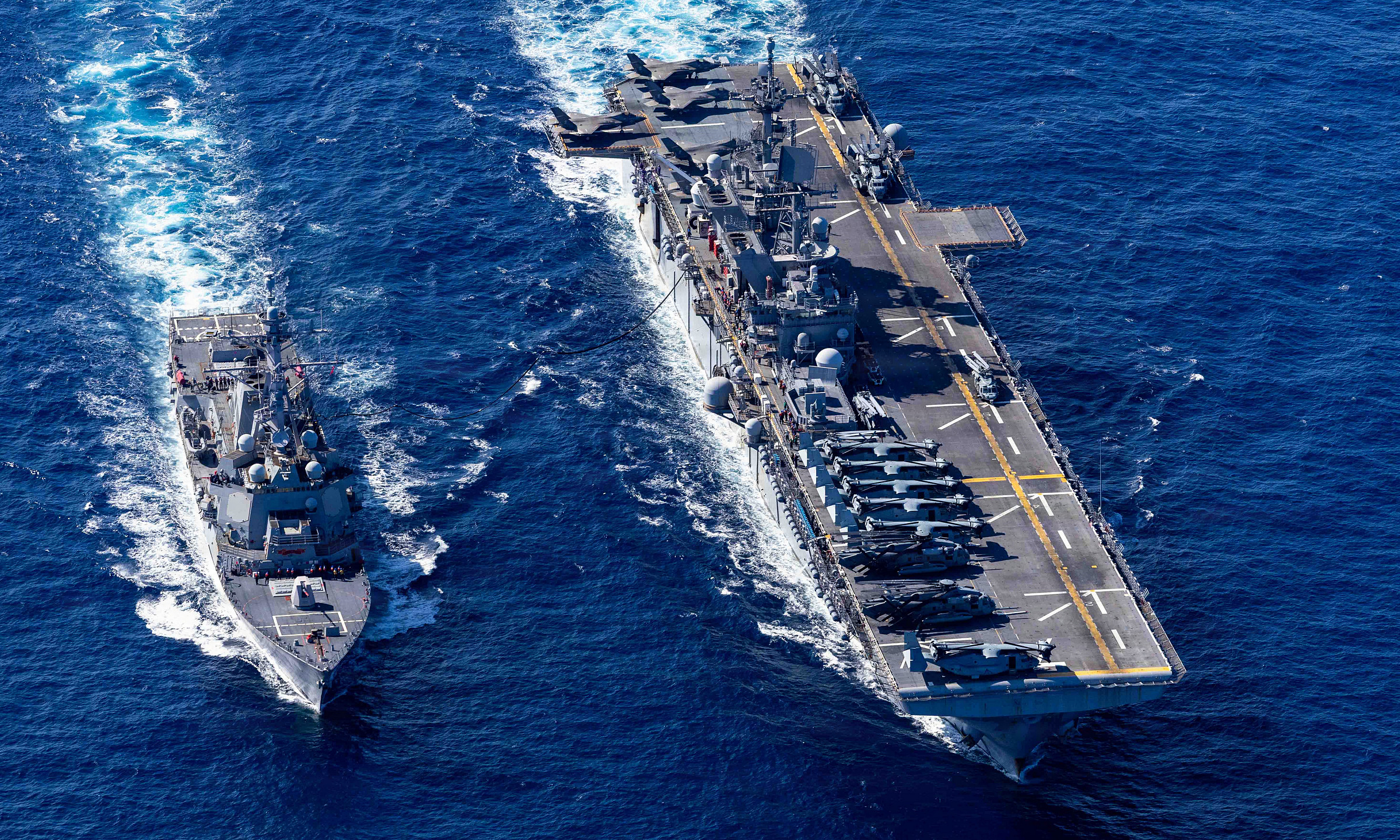
If president Trump gives the green light, the US could swiftly deploy more than 17,000 ground combat troops right on Iran's doorstep. The USS Tripoli amphibious ready group, with approximately 2,500 marines, arrived in the middle east on 27/3, while other forces are currently being deployed.
This force is considerably smaller than the 150,000 US troops deployed in 3/2003 during the invasion of Iraq, a country with a much smaller area and population than Iran.
While this number of troops may be insufficient for a large-scale military intervention, they could still control strategic land territories, secure Tehran's uranium stockpiles, or seize islands.
Trump has expressed a desire to resolve the conflict through diplomacy and pressure Iran to accept a series of stringent demands, such as surrendering its enriched uranium stockpiles, dismantling key nuclear facilities, and reopening the Hormuz strait.
However, Iran has rejected these demands. Tehran appears to believe that its blockade of the Hormuz strait will pressure the White House into compromise and deter future attacks. According to experts, the troop buildup could provide additional leverage for the US, while also serving as preparation for more decisive actions if diplomacy reaches a stalemate.
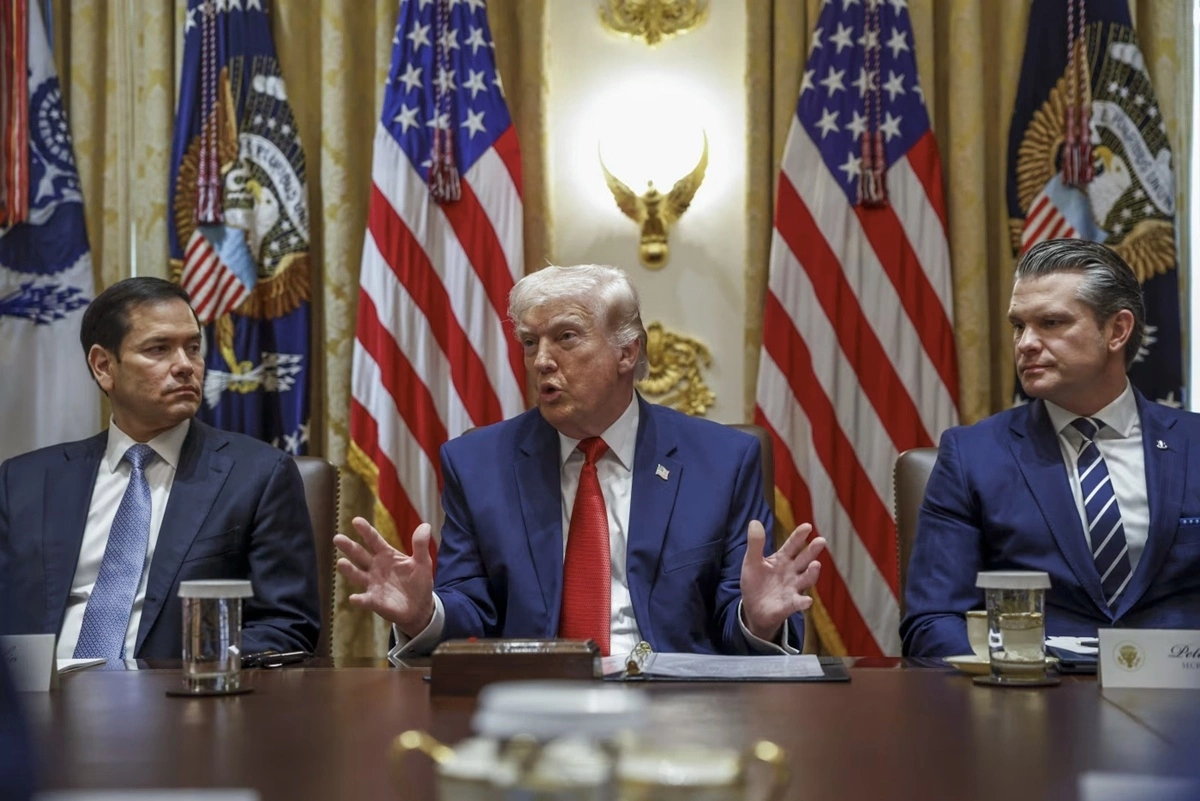 |
President Donald Trump (center) with secretary of state Marco Rubio (left) and secretary of defense Pete Hegseth during a cabinet meeting on 26/3. Photo: AP
"As we have said, president Trump always has all military options at hand," White House spokesperson Anna Kelly stressed last week.
These missions are complex and dangerous. Former US officials state that a battle to seize a landing beach near Bandar Abbas, headquarters of the Iranian navy, or Kharg island, a vital oil export hub, would result in significant casualties for US troops.
The US military could target islands around Hormuz, such as Abu Musa, greater Tunb, and lesser Tunb, to facilitate the opening of the strait. From these positions, they could protect vessels from Iranian missiles and unmanned aerial vehicles (UAVs), and conduct strikes deep into enemy territory.
Accessing these areas would be challenging. US ships would have to navigate the narrow and shallow waters of the strait, where Iranian forces could launch missile attacks, deploy UAVs, and lay mines.
Naval approaches also pose other dangers. Seth Jones, a specialist from the Center for Strategic and International Studies (CSIS), indicated that hypersonic anti-ship missiles from mainland Iran could reach US targets in seconds. Additionally, Tehran could use speedboats and UAVs to bombard both warships and US land positions.
"I would be very shocked if this operation could be carried out without any casualties or without any merchant or war ships being hit," Jones remarked.
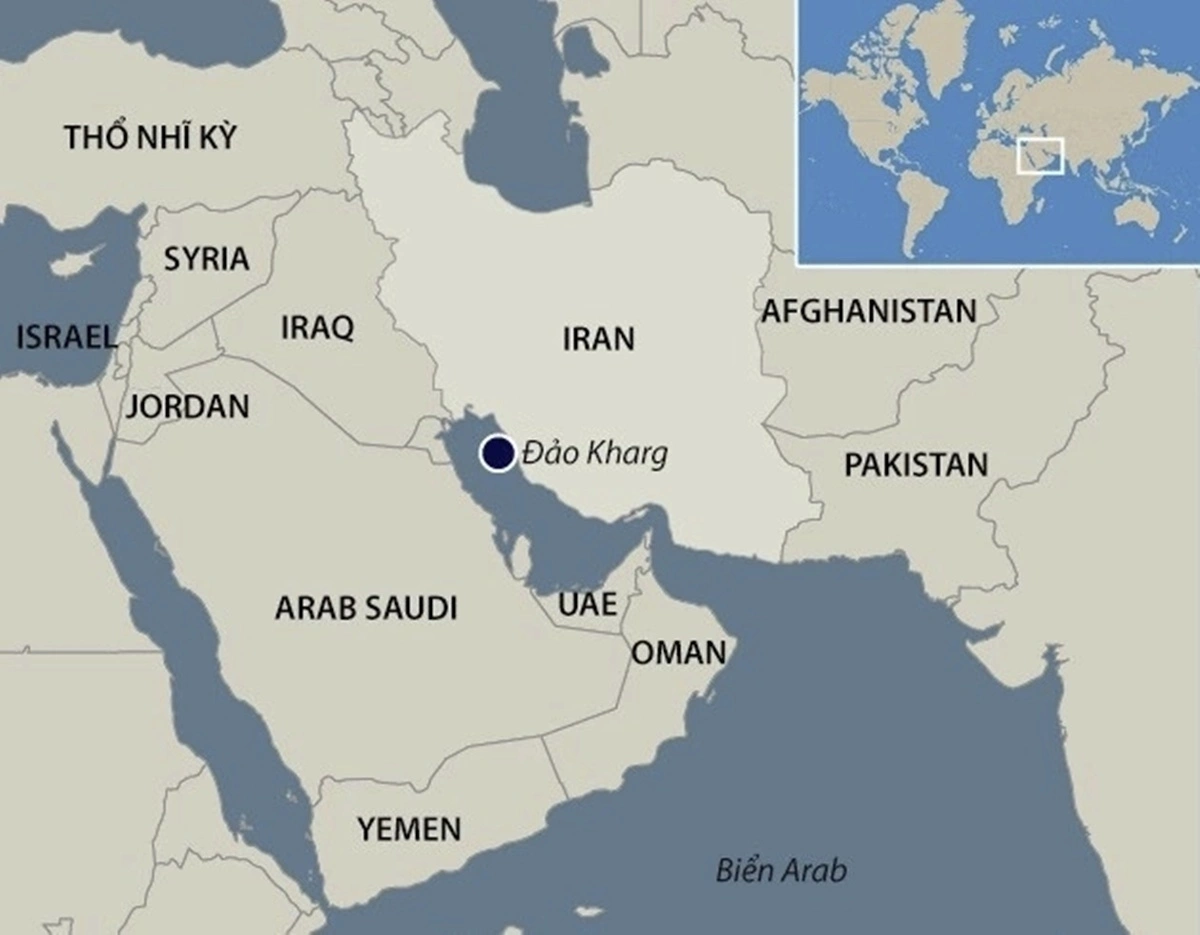 |
Location of Kharg island. Graphic: CNBC
Once landed on an island, US troops would be exposed to a range of threats, from cruise missiles, ballistic missiles, to Iranian UAVs launched from warships or the coastline. US soldiers on Kharg island, located only 26 km from the mainland, would require protection from a robust air defense system.
"That would be an opportunity for Iran to target US soldiers when they concentrate troops at one point," Mark Montgomery, a senior specialist at the Foundation for Defense of Democracies (FDD), based in Washington, commented. "They would be nothing more than sitting ducks."
John Miller, former commander of US naval forces in the middle east, assessed that a force of only 17,000 troops would be insufficient to hold any position for an extended period, especially given the certainty of continuous attacks. Such threats would need to be suppressed from the air.
"The longer they stay in those positions, the greater the risk to the soldiers," he added.
General Joseph Votel, former commander of Central Command (CENTCOM) and US Special Operations Command, stated that in the current conflict scenario, US forces aiming to maintain a foothold in Iran would need support from intelligence, surveillance, and reconnaissance assets, as well as logistical resupply and casualty evacuation capabilities.
Another challenge for the US military is ensuring the security of Iran's enriched uranium stockpiles after controlling them. Most of this material is believed to be buried under the rubble of facilities flattened during the conflict in june last year.
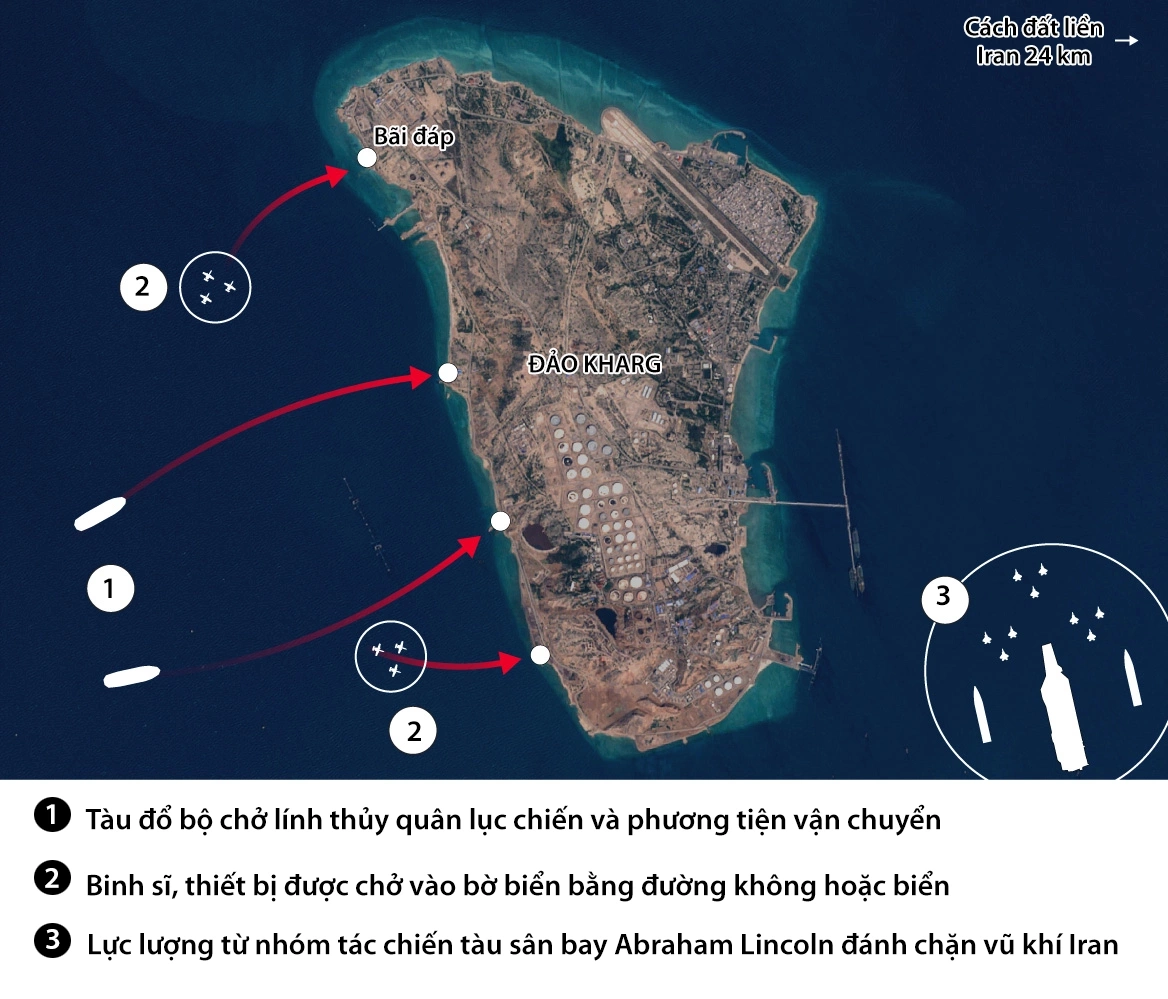 |
How US forces could land on Kharg island. Graphic: Telegraph
According to general Votel, this operation could last from a few days to one week. The mission requires combat units to establish a security perimeter, combat engineers with excavation equipment to sift through rubble, check for mines and booby traps, and special forces with expertise in handling nuclear materials. If an airfield is not available, the US military would need to establish a makeshift runway to bring in equipment and transport nuclear materials out.
"This is not a quick in-and-out operation," he said.
However, analysts suggest that even if additional US ground units do not enter Iran, the threat of deploying them could serve another purpose: creating leverage.
"The primary mission is to reinforce the strategic message that we are serious and that the president has options available," general Votel said. "The psychological warfare element plays a big role in this."
White House press secretary Karoline Leavitt stated on 29/3 that the Pentagon's task is to prepare options to provide the US president with the widest range of choices. Meanwhile, Axios reported that the US military is preparing a "finishing blow" against Iran, which could include the deployment of ground forces and a large-scale bombing campaign.
But Iran also appears ready for this scenario. "They do not know that Iranian military personnel are waiting for US troops to land, ready to deliver a devastating blow to the enemy and decisively punish their regional allies," Iranian parliament speaker Ghalibaf declared.
Vu Hoang (According to WSJ, AFP, Reuters)