Diana Acosta Verde, 27, from Honduras, gave birth to her first child, Gael, on 30/1. The infant was immediately granted US citizenship under the "birthright citizenship" rule. However, Verde was then ordered to leave her newborn at Knapp Hospital in Texas and return to the East Hidalgo detention center, where she had been held for the final three months of her pregnancy.
Verde and her boyfriend, Jaime Murillo Padilla, had made a desperate attempt to re-enter the US to ensure their child would be born on US soil. Padilla, who was brought to the US by his parents when he was 10, had previously been protected under the Deferred Action for Childhood Arrivals (DACA) program, an Obama-era policy for undocumented immigrants brought to the US as children. Before meeting Verde, he operated a restaurant in Chicago, was married to a US woman, and had three children, all US citizens.
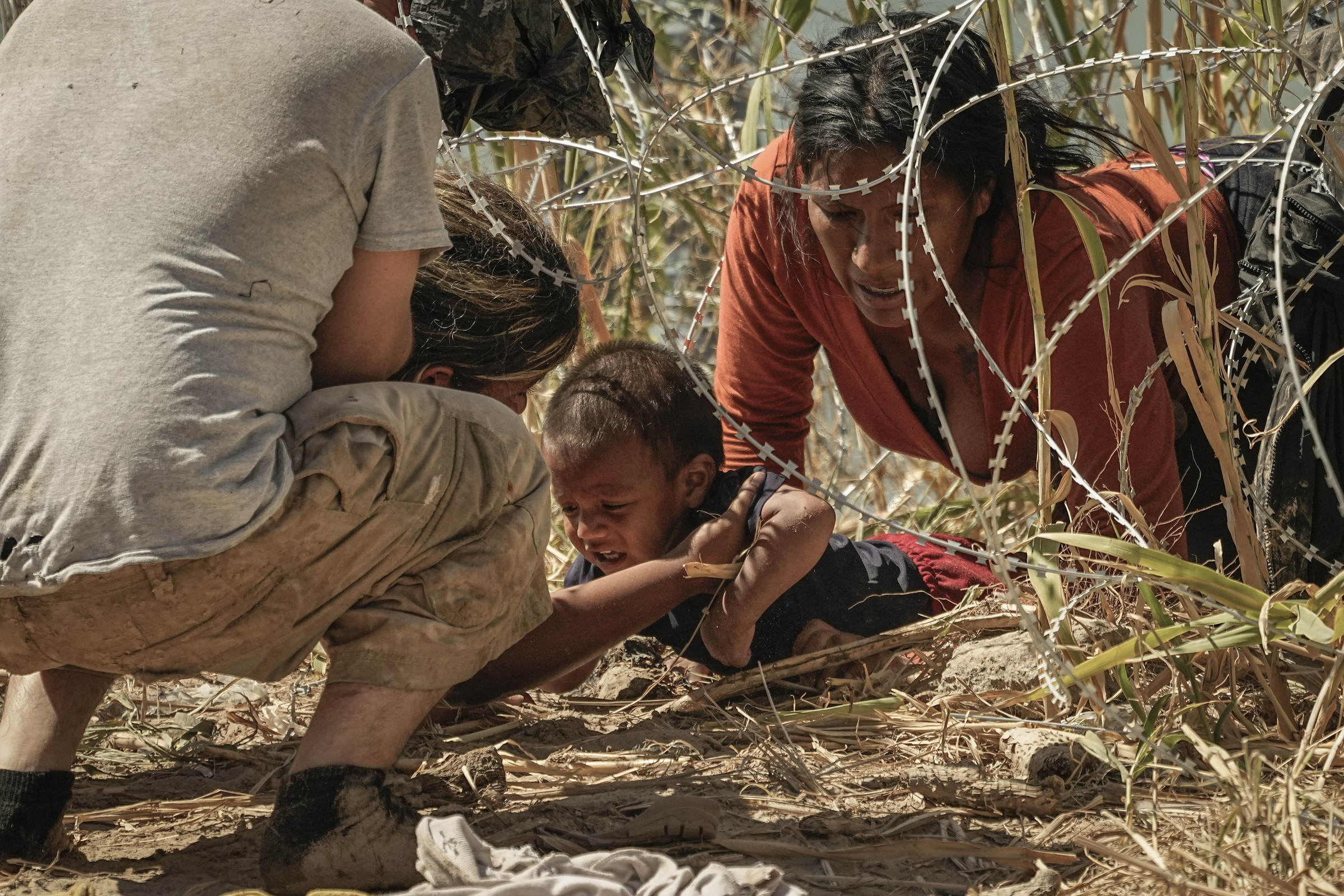 |
Migrants pass children through a gap under the barbed-wire fence separating the US and Mexico in 9/2023. Photo: AP
The couple's journey to secure US citizenship for their child began after they were both deported from the US in 2025. U.S. Immigration and Customs Enforcement (ICE) arrested them in early 2025 after police found cocaine in their car. Padilla was accused of drug possession and deported from the US in 3/2025, with Verde's deportation following a few months later. While in Honduras and Verde was pregnant, Padilla declared, "Our child will not be born here," resolving to re-enter the US.
The couple crossed the southern US border when Verde was six months pregnant. U.S. Immigration and Customs Enforcement agents quickly found them hiding in bushes and arrested them. Verde was subsequently detained at the East Hidalgo facility in Texas for the remainder of her pregnancy.
The 14th Amendment to the US Constitution stipulates that all persons born or naturalized in the US, and subject to its jurisdiction, are citizens of the US and of the state where they reside, with some exceptions. This provision means children of undocumented immigrants are automatically granted US citizenship if born within the country's territory.
After Gael's birth, Verde recounted being held in a cold, dirty room for two days, unable to pump breast milk or contact her family. The East Hidalgo detention center has not commented on this claim. However, Brady McCarron, a spokesperson for the U.S. Marshals Service, stated that pregnant female detainees consistently receive obstetric care, including prenatal and postnatal monitoring.
McCarron also explained that detainees are responsible for arranging guardianship for their child immediately after birth. If a mother cannot find someone to entrust the baby to, the U.S. Marshals Service will notify child protective services. In Gael's case, the U.S. Marshals Service sent a message to Blanca Padilla Tejeda, Gael's paternal grandmother, who lives in Honduras, requesting she come to Texas to pick up her grandchild within two days.
Ms. Padilla quickly made arrangements to travel to the US to care for her grandchild. The grandmother and grandchild returned to a small house in Texas that the baby's father had previously rented, awaiting Gael's birth certificate. Padilla and Verde were deported from the US in 2/2026. Baby Gael was also taken to Honduras by his grandmother shortly after, carrying his newly issued US passport.
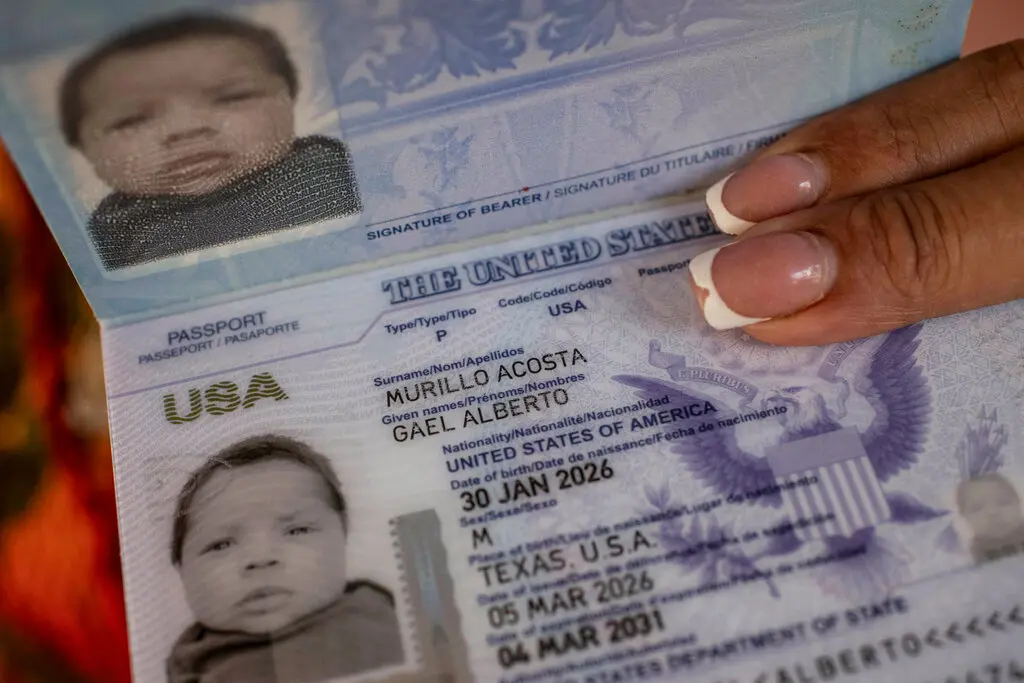 |
Gael's US passport. Photo: USA Today
"Every day I wake up, I thank God. That was our biggest victory. The boy is now a US citizen," Padilla said, expressing the family's relief.
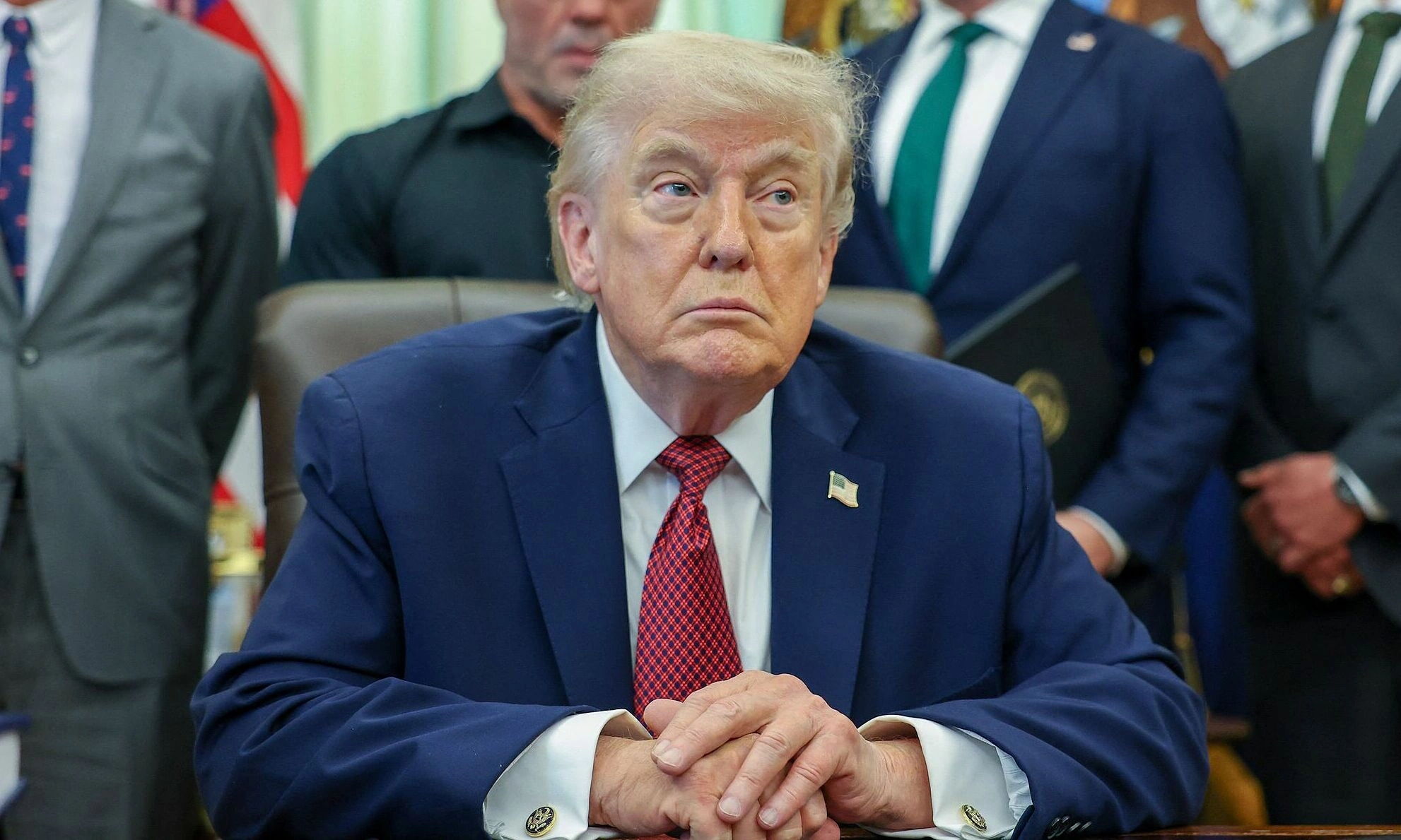
This case highlights the ongoing political debate surrounding birthright citizenship. President Donald Trump's administration is seeking to abolish the automatic grant of citizenship to children born on US soil, arguing that the US Constitution does not guarantee birthright citizenship. Trump also stated that many people exploit this rule to travel or cross into the US to give birth, aiming for their child to gain US citizenship. On the first day of his second term, Trump signed an executive order to end automatic citizenship for children born in the US if their parents are undocumented immigrants or are legally residing with only a temporary visa.
This executive order by Trump was challenged by the American Civil Liberties Union (ACLU). The US Supreme Court has heard arguments regarding the legality of the executive order signed by Trump and is expected to issue a ruling in 6/2026 or 7/2026.
Duc Trung (According to NY Times, Washington Post, AP)