


"The air defense forces of the United Arab Emirates (UAE) are confronting missile and unmanned aerial vehicle (UAV) threats from Iran. Loud noises were heard nationwide as interceptions took place," the UAE Ministry of Defense announced on 5/5, without providing further details.
Hours later, Iran's Khatam al-Anbiya Central Command stated its forces "have not launched any missiles or unmanned aerial vehicles (UAVs) into the UAE in recent days." The command added that Iran would issue a clear statement if it were to carry out such attacks.
"The information from UAE's Ministry of Defense is baseless and completely rejected. Any attack originating from UAE territory will be met with a firm response," according to the Khatam al-Anbiya Central Command. "The UAE, an Islamic nation, should not become a haven for the United States, Israel, and their military forces and equipment."
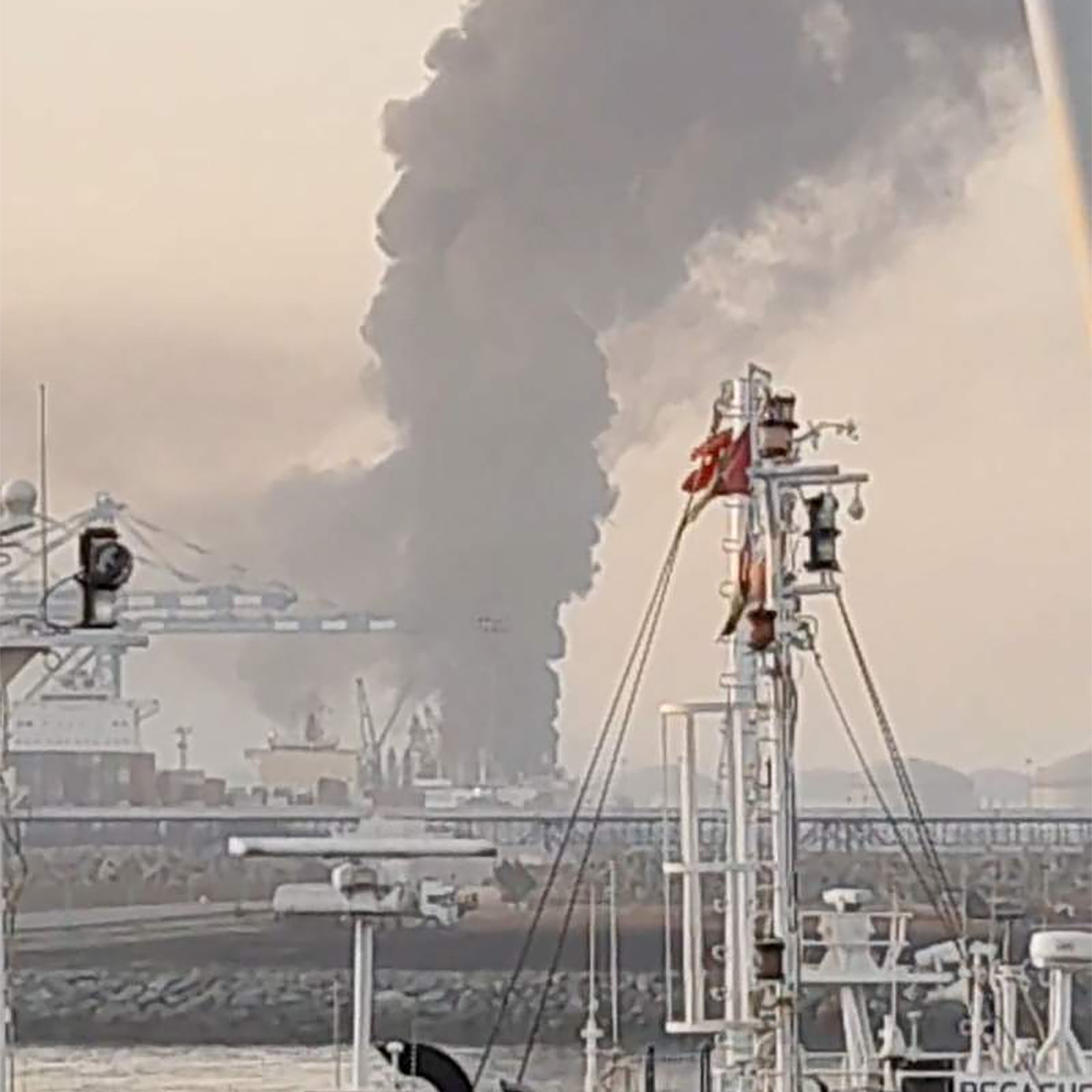 |
Smoke rises from the Fujairah Oil Industrial Zone on 4/5. Photo: Reuters |
A day earlier, the UAE accused Iran of launching a new wave of attacks against the country, including energy facilities in Fujairah, calling it a "dangerous escalation."
Since the conflict between the United States and Israel with Iran erupted, the UAE has been attacked more than any other nation in the Middle East. Among the targets in the UAE were US military bases, energy infrastructure, civilian facilities, and several prominent landmarks.
The series of Iranian attacks is seen as disrupting the long-enjoyed stability in the Gulf states. The threat of new attacks looms over the region, jeopardizing ambitions to diversify the Gulf's economy.
Regional nations have been deadlocked between conflict and peace for weeks, as negotiations between the United States and Iran stalled and the Strait of Hormuz was almost completely closed.
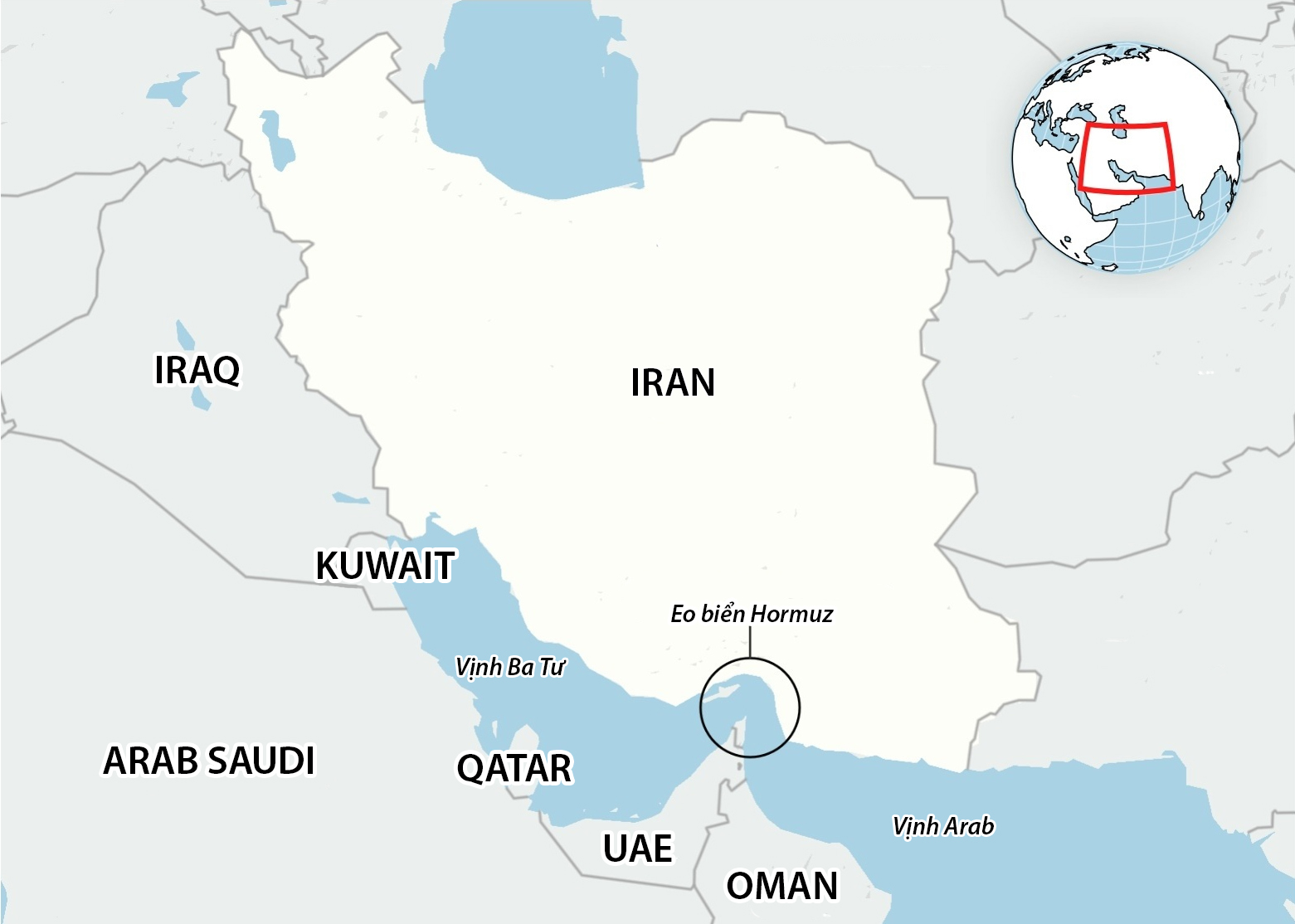 |
Location of the Strait of Hormuz. Graphic: Guardian |
Nguyen Tien (According to AFP, AP, Tasnim, Al Jazeera)




