"The defense industry in general, and key contractors in particular, have misled the American people, the Pentagon, and the army into thinking that specific military equipment is needed, when in reality there are many commercial solutions that are equally or more capable. This mindset has caused us to harm ourselves", US Army Secretary Dan Driscoll stated mid-week, with the information only revealed by media on November 14.
He did not name specific corporations but emphasized that they are key contractors working directly with the US government. Secretary Driscoll suggested that US officials also bear some responsibility for creating mechanisms that incentivize businesses to propose "sky-high prices".
"The system has changed. They are no longer allowed to do that to the US Army", he stressed.
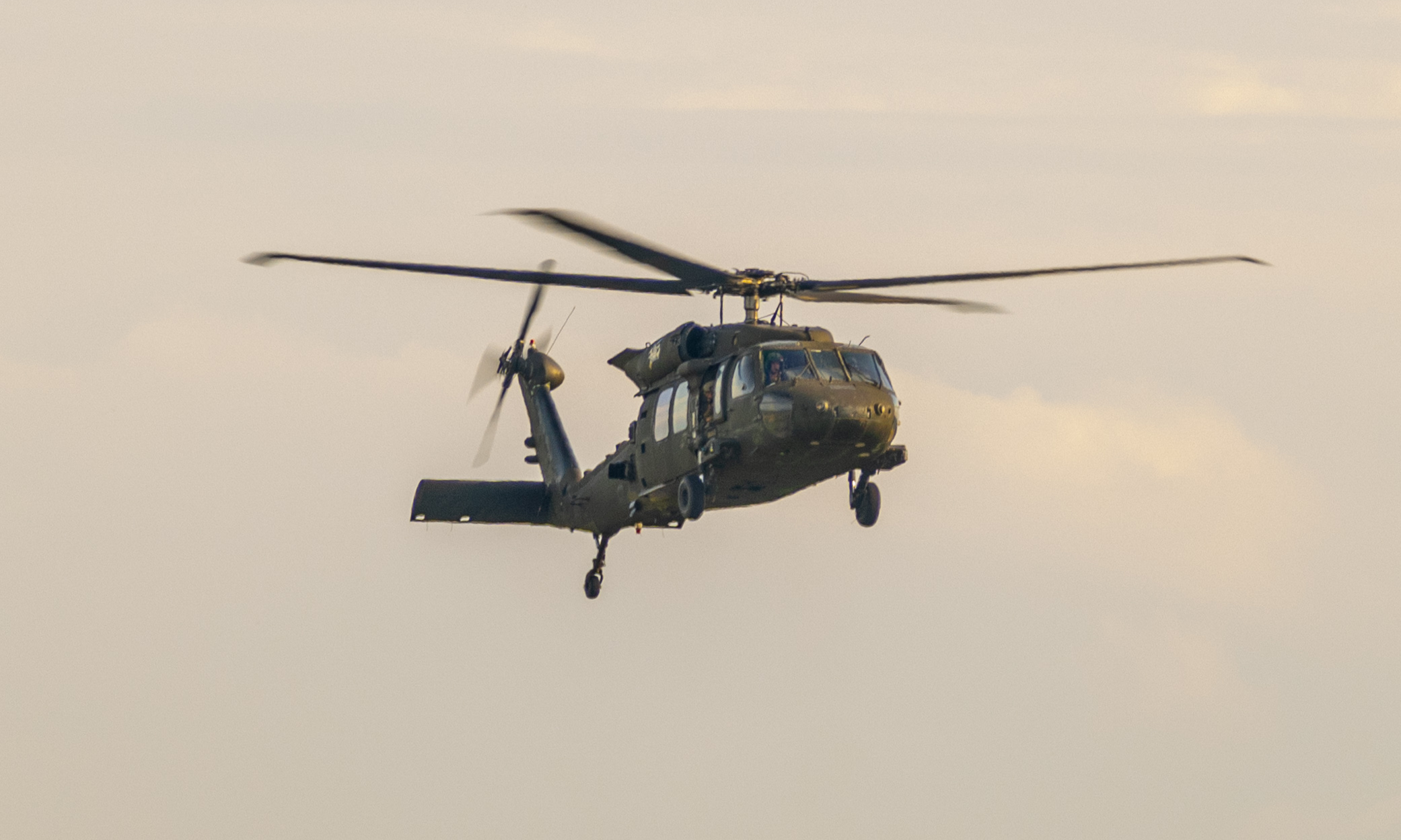 |
UH-60 Black Hawk helicopter in North Carolina in July. Photo: US Army
The US Army has previously signed contracts for weapons with major defense corporations, including Lockheed Martin, RTX, and Boeing. None of these companies have commented on the statement.
The US Army earlier reported a screen control knob for the Black Hawk helicopter, manufactured by Sikorsky, a subsidiary of Lockheed Martin, was only permitted for sale as part of an equipment cluster valued at USD 47,000, yet could be produced individually for USD 15.
Government accountability groups and some US lawmakers have long contended that defense industrial corporations overcharge for military contracts. Nevertheless, Secretary Driscoll's statement is considered unusually blunt, particularly for a sitting government official.
The US Army is launching an initiative to simplify its procurement process, as part of a broader Pentagon effort to enable the military to access new technologies more quickly.
The service plans to acquire at least one million unmanned aerial vehicles (drones) within the next two to three years. Instead of partnering with large defense contractors, the US Army has expressed its intention to collaborate with companies that produce commercial drones.
By Pham Giang (According to Reuters, Breaking Defense)