"People should drive less and try to save energy. Of course, this is something that should always be done. Energy is essential for life, but we also need to conserve it," Andy Walz, director of refining, pipelines, and chemicals at US energy group Chevron, told CBS News, addressing the current costs American families bear for fuel.
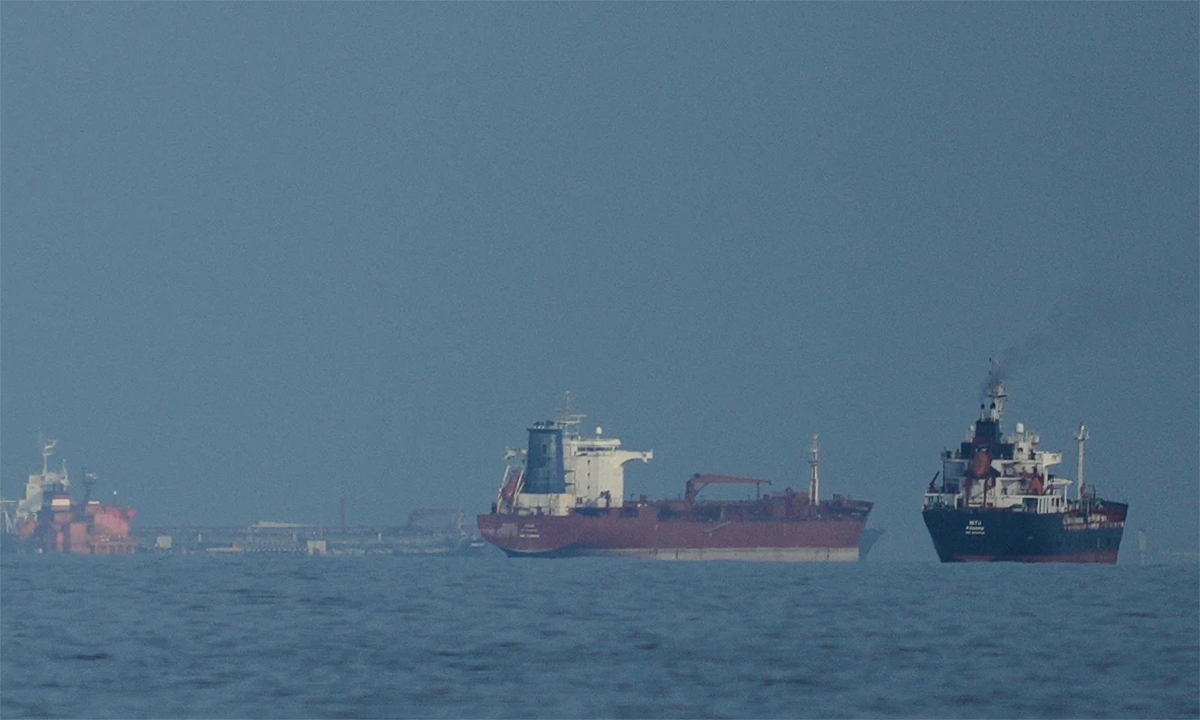
Since the Iran conflict erupted on 28/2, international Brent crude oil prices have surged, hovering around 100 USD per barrel. The conflict disrupted global energy flows and impacted US gasoline prices, despite the country importing almost no oil through the Strait of Hormuz.
According to GasBuddy data, the average gasoline price at US pumps surpassed 4 USD per gallon (3,78 liters) for most of April. In February, prior to the conflict, the average US gasoline price remained below 3 USD per gallon and had not exceeded 3,25 USD for the past year.
With continuously rising gasoline prices, Americans often direct criticism at domestic oil giants. Walz's advice to reduce driving and conserve energy appears to be a preemptive measure against such public frustration.
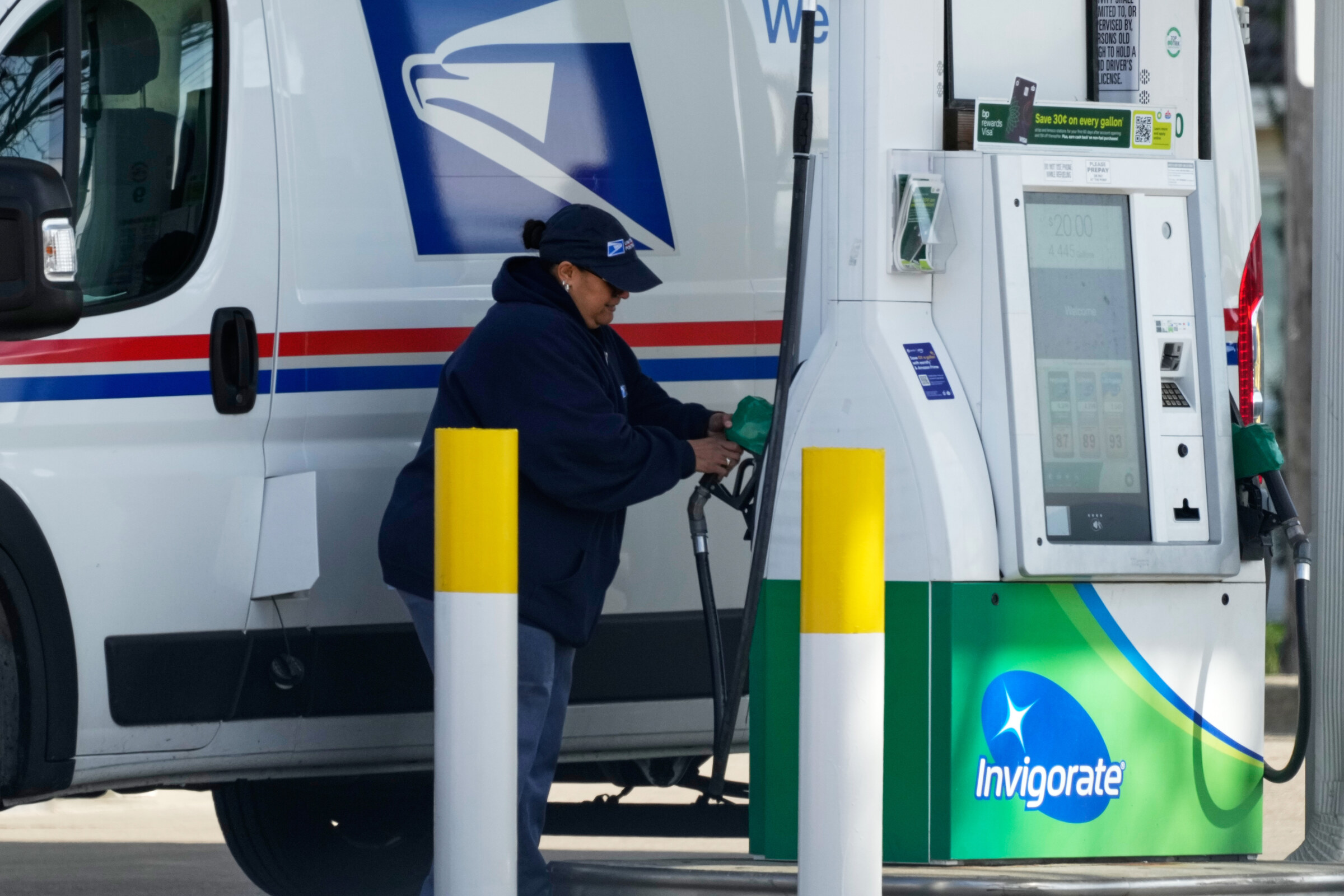 |
A US Postal Service (USPS) employee refuels at a Chicago gas station on 7/4. *Photo: AP* |
US President Donald Trump commented on 12/4 that gasoline prices "could remain the same or slightly higher than current levels" for an extended period, potentially lasting through the November mid-term congressional elections.
Walz believes no miracle will significantly reduce US gasoline prices, given the rising global price trends.
"The US has domestic crude oil that we process and use, which acts as a price cushion for American consumers. However, the crude oil market is global, and if the current situation persists, things will become more challenging," the Chevron executive noted.
Walz also voiced concern about the Middle East conflict's repercussions on global supply chains. He explained that many nations depend heavily on Middle Eastern crude oil, facing greater risks than the US, which relies primarily on domestic production. He warned that "starting to run out of stock" has become a tangible risk for some countries.
A March survey by the American Automobile Association (AAA) revealed that gasoline prices exceeding 4 USD per gallon significantly impacted consumer sentiment, with 59% of respondents indicating they would alter their commuting or daily habits due to escalating costs.
Patrick Penfield, a supply chain expert at the Whitman School of Management at Syracuse University in New York, forecasts US average gasoline prices could reach 4,3 USD per gallon by the end of this week. Should the US and Iran fail to reach a peace agreement in April, prices might surge to 5 USD per gallon by mid-May.
"With peace negotiations unresolved and new escalatory actions emerging last weekend, Americans should brace for a new price hike. Gasoline and diesel prices could rise this week until substantive actions restore circulation in the Strait of Hormuz," stated Patrick De Haan, head of petroleum market analysis at GasBuddy.
Reporting by Thanh Danh; Sources: CBS, CNBC, Reuters