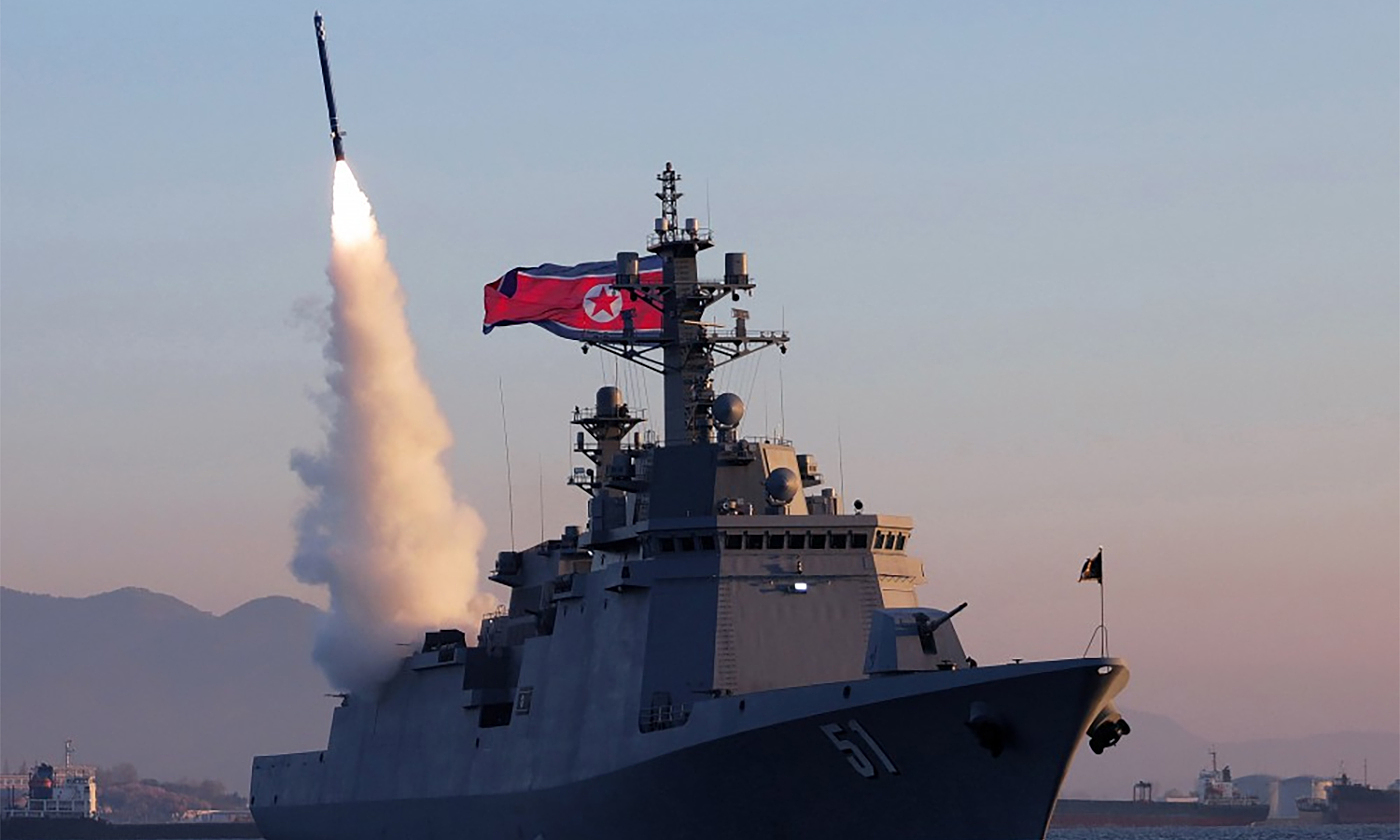
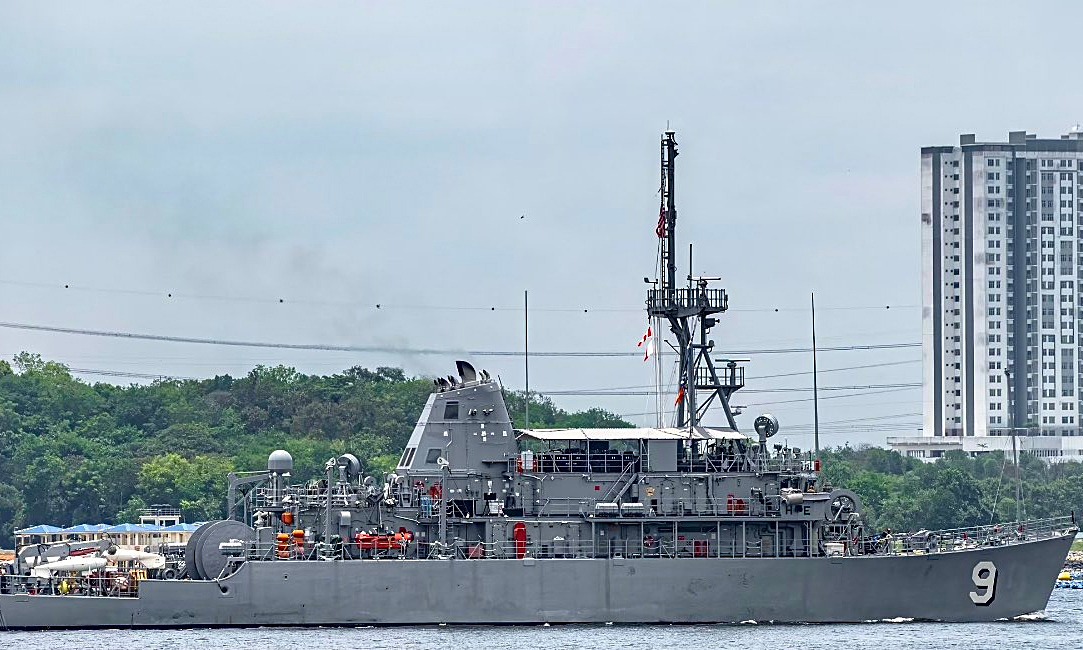
US Central Command (CENTCOM), the agency responsible for US military operations in the Middle East, announced on 14/4 that more than 10,000 US troops, along with dozens of warships and aircraft, are preventing vessels from entering or leaving Iranian ports. During the first 24 hours of the operation, no ships breached the blockade, with 6 cargo ships complying with US military directives and turning back to an Iranian port in the Gulf of Oman.
CENTCOM stated the blockade "is being enforced on vessels of all nations" entering or leaving Iran's ports and coastal areas in the Persian Gulf and Gulf of Oman. However, vessels not associated with Iran are not being impeded by the US military when transiting the Strait of Hormuz. Iran has not commented on the information.
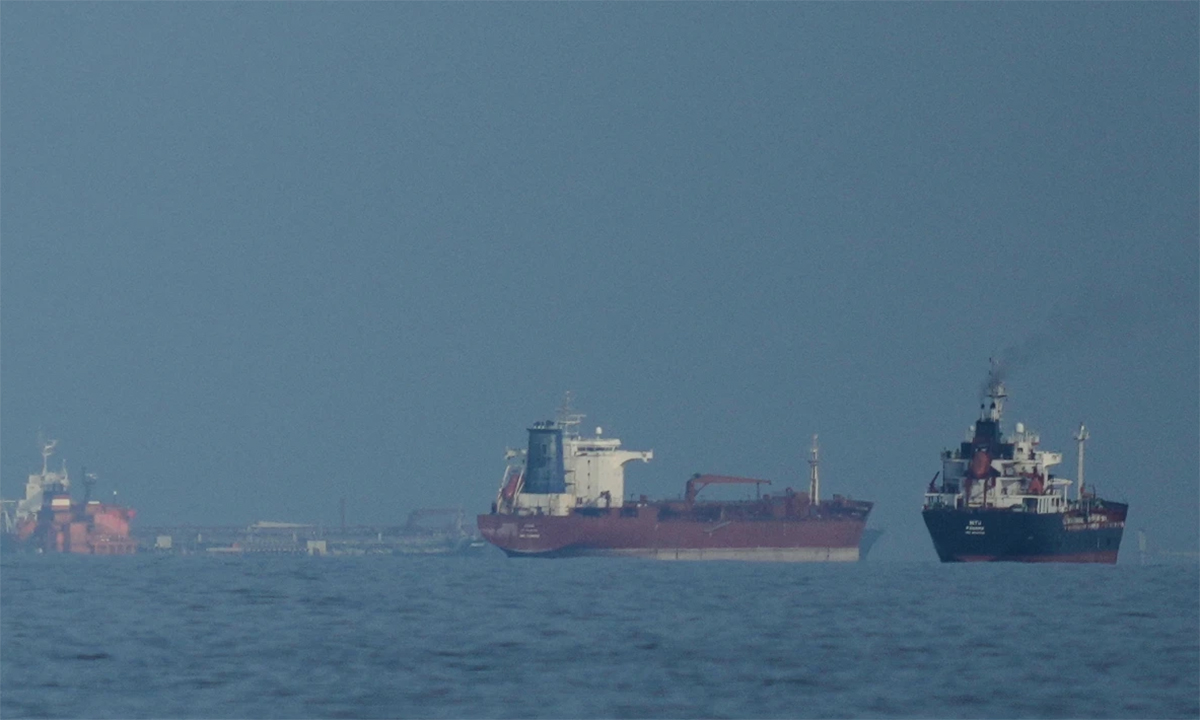 |
A cargo ship anchored near the Strait of Hormuz, off Khor Fakkan, United Arab Emirates on 11/3. *Photo: AP* |
President Donald Trump announced on 12/4 that the US military would blockade the Strait of Hormuz after negotiations between Washington and Tehran failed to reach an agreement. Trump also criticized Iran for promising to reopen the route but "deliberately failing to do so."
CENTCOM later stated the blockade took effect at 10h on 13/4 (21h Hanoi time). Although the US claimed no ships passed through during the blockade, data from Kpler, a global trade flow analytics and intelligence platform, indicated that at least two vessels departing from Iranian ports transited the Strait of Hormuz on 13/4.
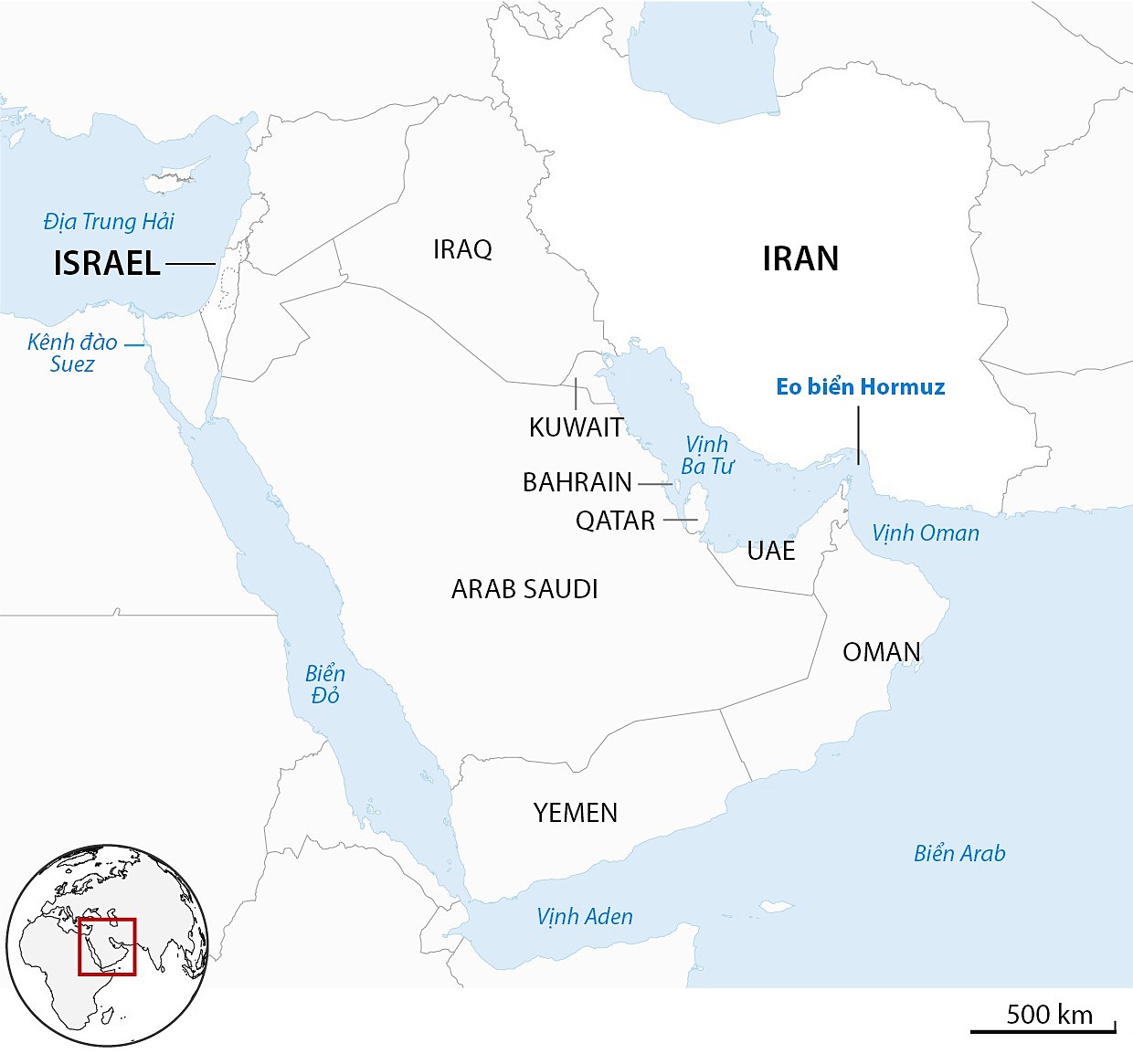 |
Location of the Strait of Hormuz. *Graphic: Guardian* |
Iranian officials consider the US decision targeting its ports a provocative and risky move, calling it "an act of retaliation aimed at the global economy."
Before the US blockade was implemented, maritime data showed traffic in this key waterway had gradually thinned. Shipping experts believe the US blockade adds further obstacles for ships currently stranded in the Gulf region.
Nguyen Tien (According to AFP, AP, Reuters)