After hitting a two-year low in february, Vietnam's B-segment sedan market recovered in march. Sales reached 2,347 vehicles, up nearly 40% from the previous month, yet lower than january's 3,115 vehicles. This indicates improving demand after the post-tet lull, but not back to early-year highs.
The Toyota Vios maintained its lead, selling 1,004 units in march—an increase of about 63% from 615 units the previous month. In Q1 2026, the model sold 2,737 units, widening its gap with competitors and solidifying its position as the "national car" in the B-segment sedan category.
Among its challengers, the Honda City sold 398 units in march, a 13% decrease from the previous month. It still held second place with cumulative sales of 1,681 units, the only model in the segment to decline further after the low period. The Hyundai Accent recorded 369 units, up 35% from february, but achieved only 1,311 units after three months, showing signs of losing ground to direct competitors.
The Mazda2 was a bright spot, selling 433 units in march, a 51% increase from the previous month. This brought its sales to 1,047 units, narrowing the gap with the leading group. The Mitsubishi Attrage sold 143 units, a 175% increase from its lowest point of 52 units in february. Its absolute sales, however, remained the lowest in the group. Kia Soluto continued not to disclose data, instead being included in Kia's "other vehicles" group, which sold 163 units in march.
Overall, the segment sold 7,146 vehicles in the first three months of 2026. Despite a seasonal recovery, B-segment sedans face long-term decline pressure as consumers shift to SUVs, crossovers, or electric vehicles. This trend causes the segment, once a key player in Vietnam's automobile market, to shrink.
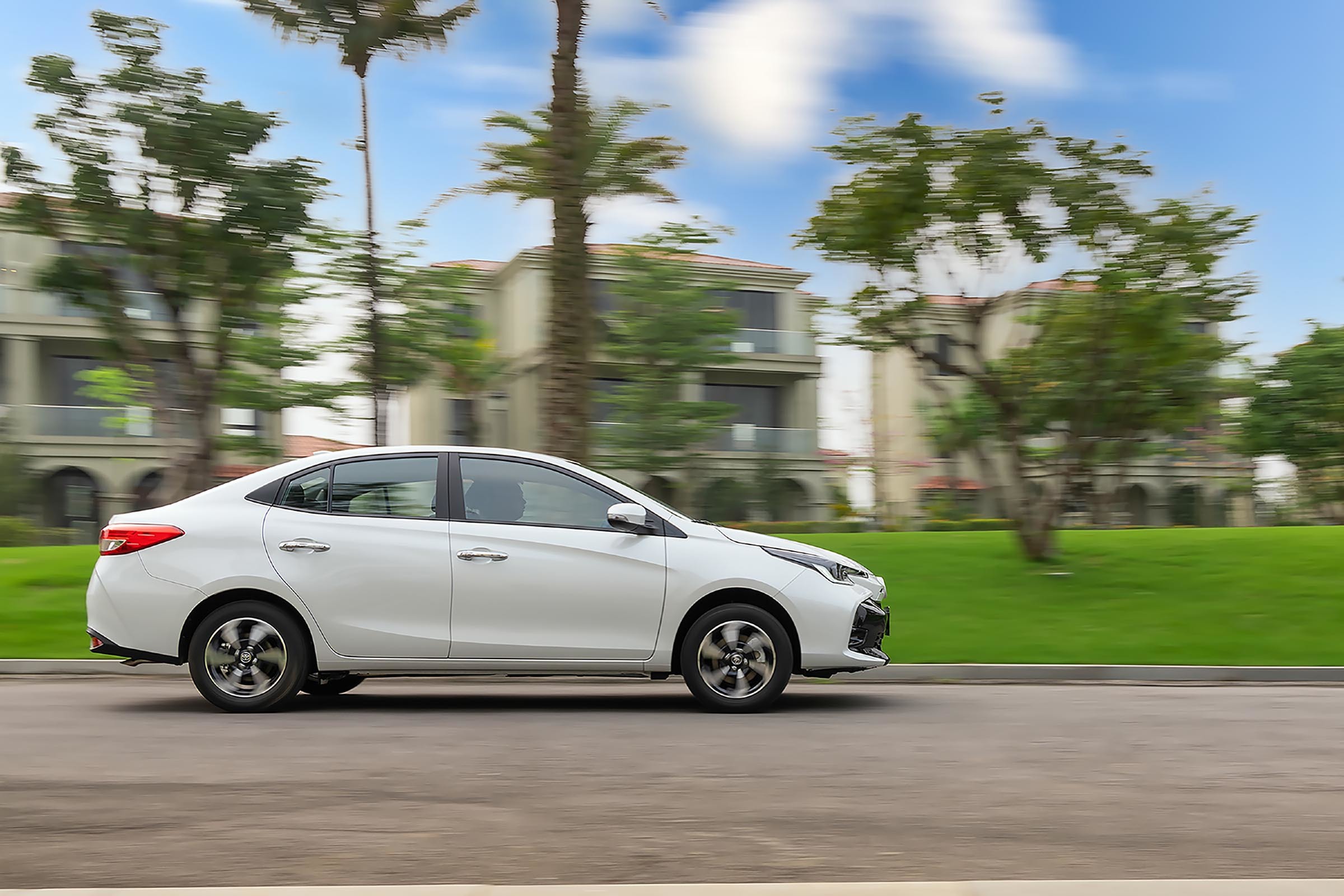 |
The Toyota Vios in the Vietnamese market. Photo: TMV |
The market is expected to improve further in Q2, driven by promotional programs and increased car buying demand. However, to regain sustainable growth, automakers need to upgrade products, optimize pricing, and adapt to changing consumer preferences.
Ho Tan