The incident occurred during heavy rain and darkness, severely blurring the windshield of the dash cam-equipped car and restricting visibility. As the car traveled at approximately 30-35 km/h, a motorbike carrying two people signaled right to merge into the lane from the left. The car reached the lane divider line just as the motorbike completed its merge. Without any apparent deceleration, the car struck the rear of the motorbike, causing the two riders to fall onto the road.
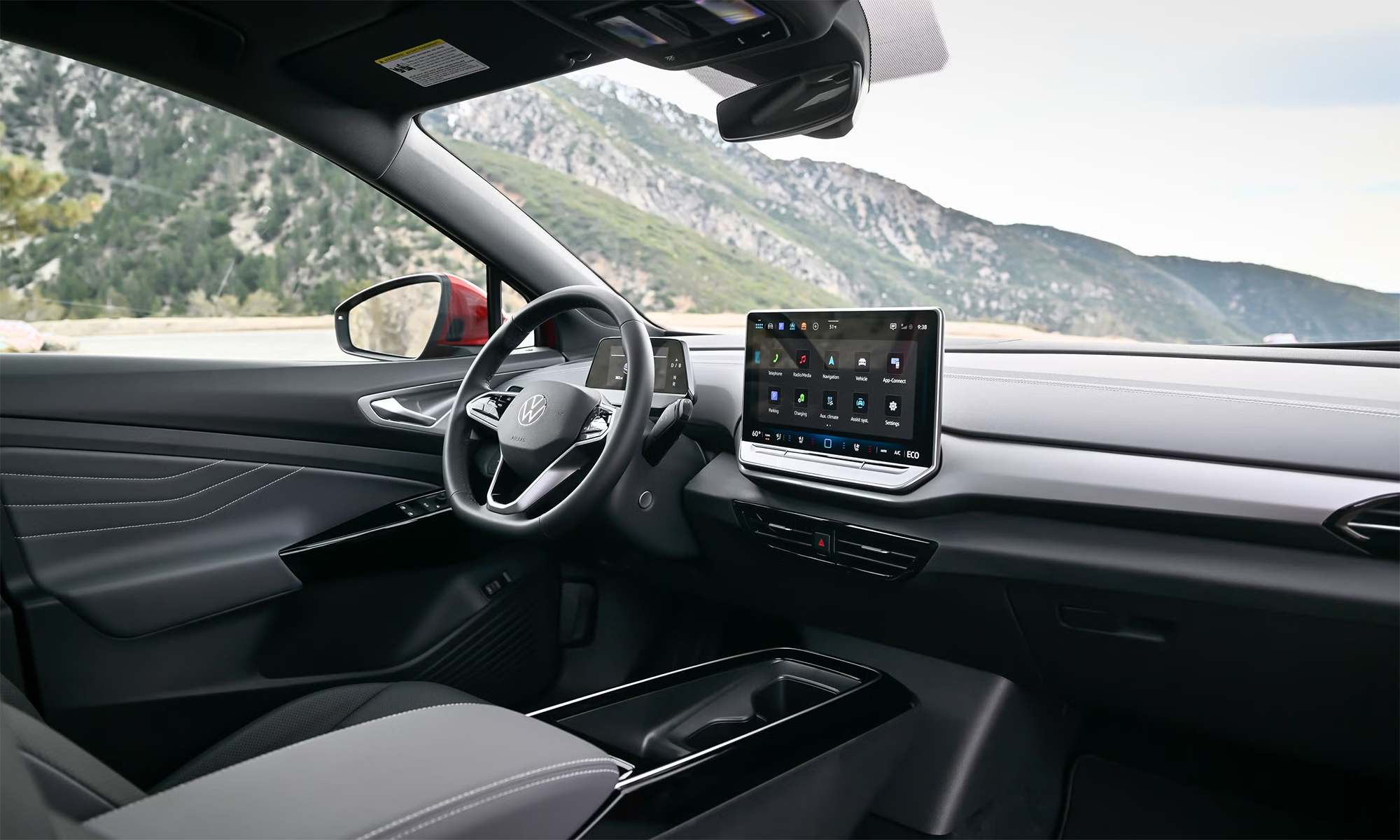
Driving experts from Car Awards identify this as a common type of collision, especially prevalent during rain and at night. From the car driver's perspective, both the windshield and side windows become obscured by water. Additionally, headlights from oncoming vehicles reflect off the wet road surface, further impairing the driver's ability to see. Moreover, the motorbike merged precisely into the A-pillar's blind spot, a critical area where drivers, particularly those with less experience, may fail to detect other vehicles without maintaining a wide field of vision.
Conversely, the motorbike rider merged while only observing oncoming traffic, neglecting to check behind them. This oversight prevented them from noticing the approaching car.
To drive safely in rainy conditions, drivers need to maintain a broad field of vision. This involves proactively expanding their view not only through the front windshield but also by frequently checking rearview mirrors, the A-pillar area, and side windows. Motorbike riders, on the other hand, must understand that car drivers experience significantly reduced visibility in rain and at night. Therefore, they should proactively stop and wait until the road is clear before proceeding.
Nguyen Vu