Hyundai Pony
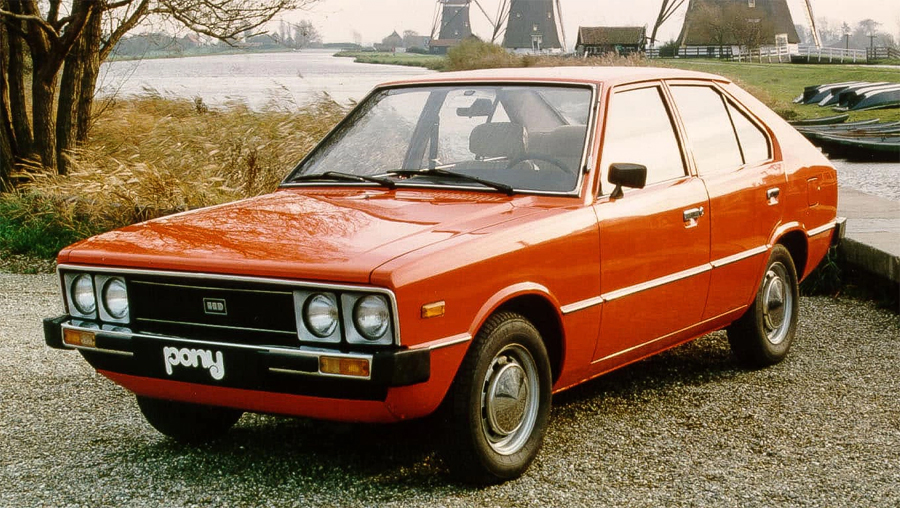 |
An early model Hyundai Pony. |
An early model Hyundai Pony.
Hyundai's first model, sketched by Italian designer Giorgetto Giugiaro in the mid-1970s, became the foundation for all subsequent Hyundai models. Initially, the car was produced with budget-friendly quality, and later versions had their drawbacks. Nevertheless, the Pony fulfilled its purpose, achieving sufficient sales and providing Hyundai with a crucial starting point.
The name Pony signifies a beginning and potential for Hyundai's first self-developed, mass-produced car. A pony is also a small horse breed, resulting from thousands of years of evolution and natural selection. These horses are found globally but are prevalent in harsh environments like England, Northern Europe, Iceland, and the high-altitude regions of Tibet and Mongolia.
Subaru Brumby
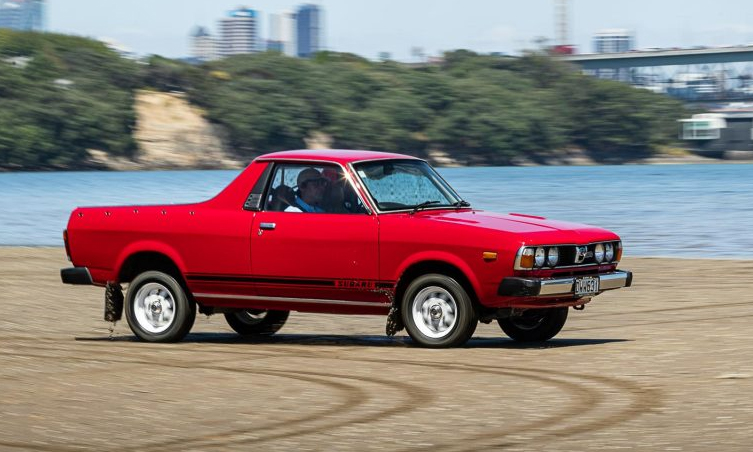 |
A 1981 Subaru BRAT. Photo: Trademe |
A 1981 Subaru BRAT. Photo: Trademe
The Subaru Brumby, also widely known as the BRAT, was produced from 1978 to 1994. Brumby refers to a wild Australian horse breed, hence BRAT was its international name, while Brumby was reserved for the Australian market.
Known for its hardworking nature, the Brumby horse breed inspired Subaru to name its compact pickup truck after it. This implied the vehicle was a companion for farmers and agricultural workers, thanks to its towing capability, ability to navigate rugged terrain, and ease of movement on narrow roads where larger trucks might get stuck.
Ford Pinto
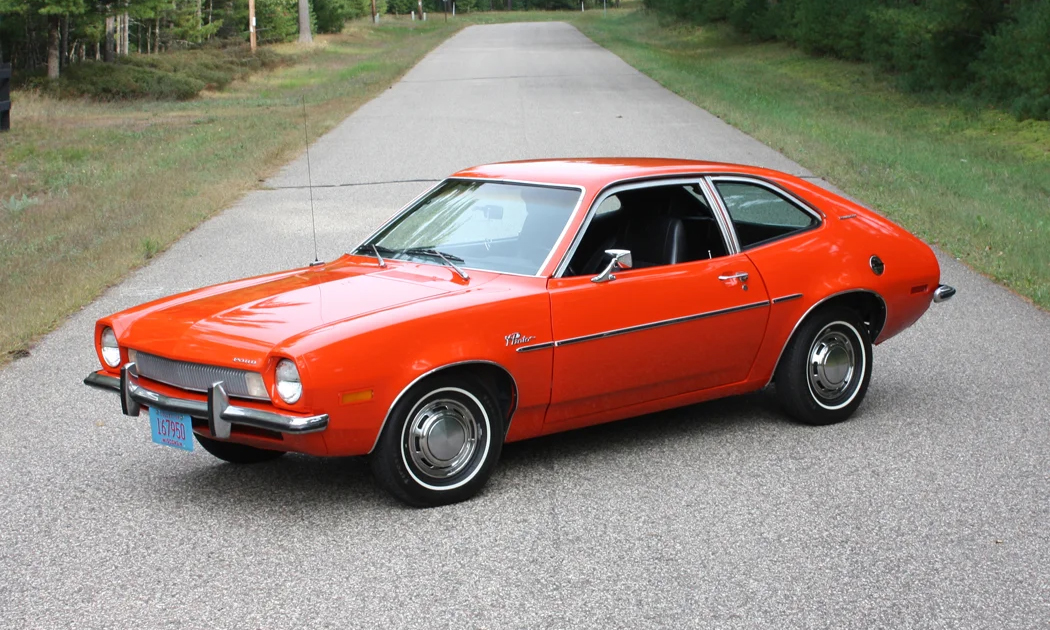 |
Photo: Old Cars Weekly |
Pinto refers to a specific horse type characterized by a spotted coat with large white patches combined with other colors. These horses are known for their strong, elegant appearance and are popular in equestrian performances and recreational riding.
Ford chose the name Pinto for its compact sedan as part of a brand strategy to name cars after horse breeds, aiming to compete with compact models from Asia. The Ford Pinto represented an affordable, accessible, and easily repairable classic car, practical for short trips and weekend leisure. However, for decades, the Pinto faced safety controversies due to a flawed fuel tank design, costing Ford 128 million USD in compensation and leading to the recall of 1,5 million units.
Mitsubishi Colt Ralliart Version-R
 |
Photo: SGcarmart |
Colt refers to a young, uncastrated male horse that has not yet reached a specific age. Mitsubishi adopted the term Colt for its compact, powerful hatchback, affectionately dubbed "Baby Evo" by enthusiasts. The car featured an aggressive appearance and was sold exclusively in the Japanese market from 2006 to 2010.
Ford Mustang
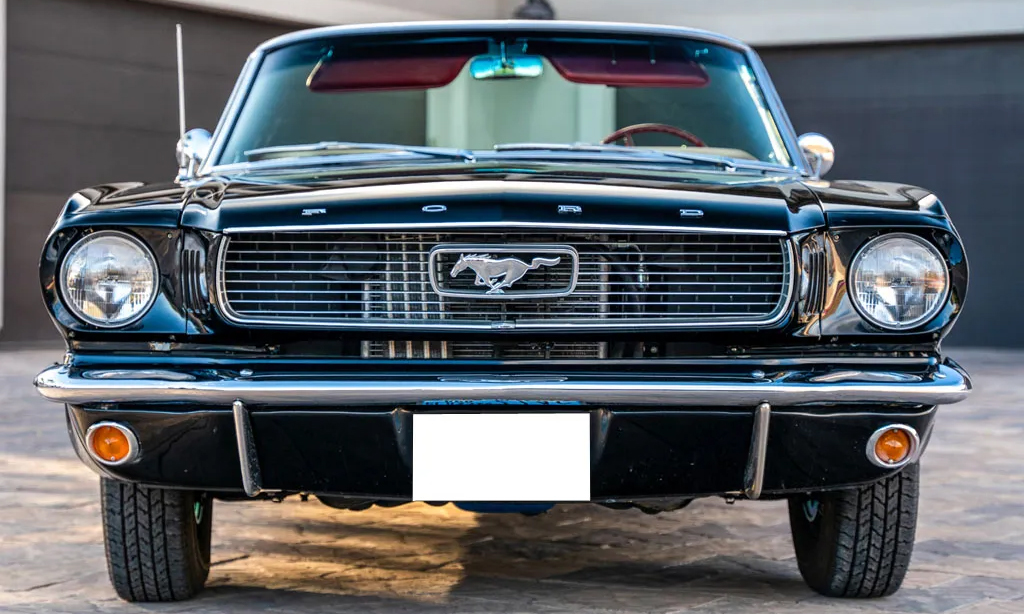 |
A 1970 Ford Mustang Shelby GT-350. Photo: Exotic Car Trader |
A 1970 Ford Mustang Shelby GT-350. Photo: Exotic Car Trader
The Mustang is an undeniable name when discussing equine themes in the automotive world. Over 6 decades, the Mustang has seen hundreds of different versions, becoming a popular and iconic name in the industry. It embodies muscle, freedom, and boundary-breaking spirit, much like the wild horses of the American West.
Ford Bronco
 |
Photo: Ford |
The Bronco's logo depicts a bucking horse, and the term 'bronco' itself refers to untamed wild horses known for kicking to unseat riders. Ford chose this name for its off-road vehicle to convey that the Bronco is not for monotonous paved roads, embodying a powerful, wild spirit capable of conquering any terrain.
Hyundai Equus
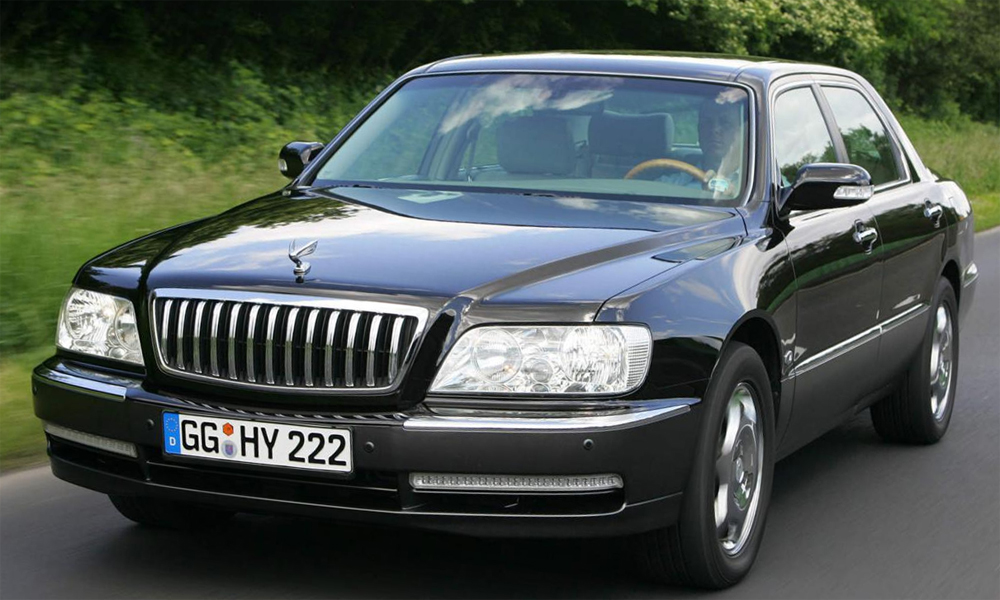 |
Photo: Hyundai |
Hyundai selected the Latin term 'Equus', meaning horse, for its flagship sedan produced from 1999 to 2016. The term Equus symbolizes strength, elegance, and power. Accordingly, premium options such as a naturally aspirated V8 engine, meticulously crafted interior, and gleaming chrome accents were all featured on the Equus.
Porsche Taycan
 |
Photo: Porsche |
Porsche's logo incorporates the coat of arms of Wurttemberg, a region in southwestern Germany, as its background. At the center of the Porsche logo is the emblem of Stuttgart. According to linguists, Stuttgart is a shortened form of the original word 'Stutengarten', which translates to 'stud farm' in English. This emblem and the name 'Stutengarten' reflect Stuttgart's heritage, a place with fertile stud farms along the Neckar River.
Meanwhile, the term Taycan originates from Turkish, meaning 'soul of a spirited young horse'. Thus, the Taycan is an environmentally friendly electric vehicle that is also powerful enough to carry on Porsche's renowned sporting DNA.
Ferrari Purosangue
 |
Photo: Top Gear |
The Italian automaker's prancing horse shield emblem is one of the most recognizable symbols globally. While Ferrari offers more powerful cars, the Purosangue provides a perfect balance for current demands, as its name means 'pure blood' or 'thoroughbred'.
Ferrari chose this name because Purosangue is a specialized term referring to the Thoroughbred horse breed, famous for its speed, strength, and endurance. Ferrari states that despite its SUV styling, the Purosangue carries the gene of a true racehorse.
Bugatti Brouillard
 |
Photo: Bugatti |
This unique Bugatti, set to debut in late summer 2025, is named after founder Ettore Bugatti's favorite horse. Beyond the name, other equestrian-inspired details include a Brouillard statue within the gear selector and horse embroidery on the seats and door panels.
Koenigsegg Sadair’s Spear
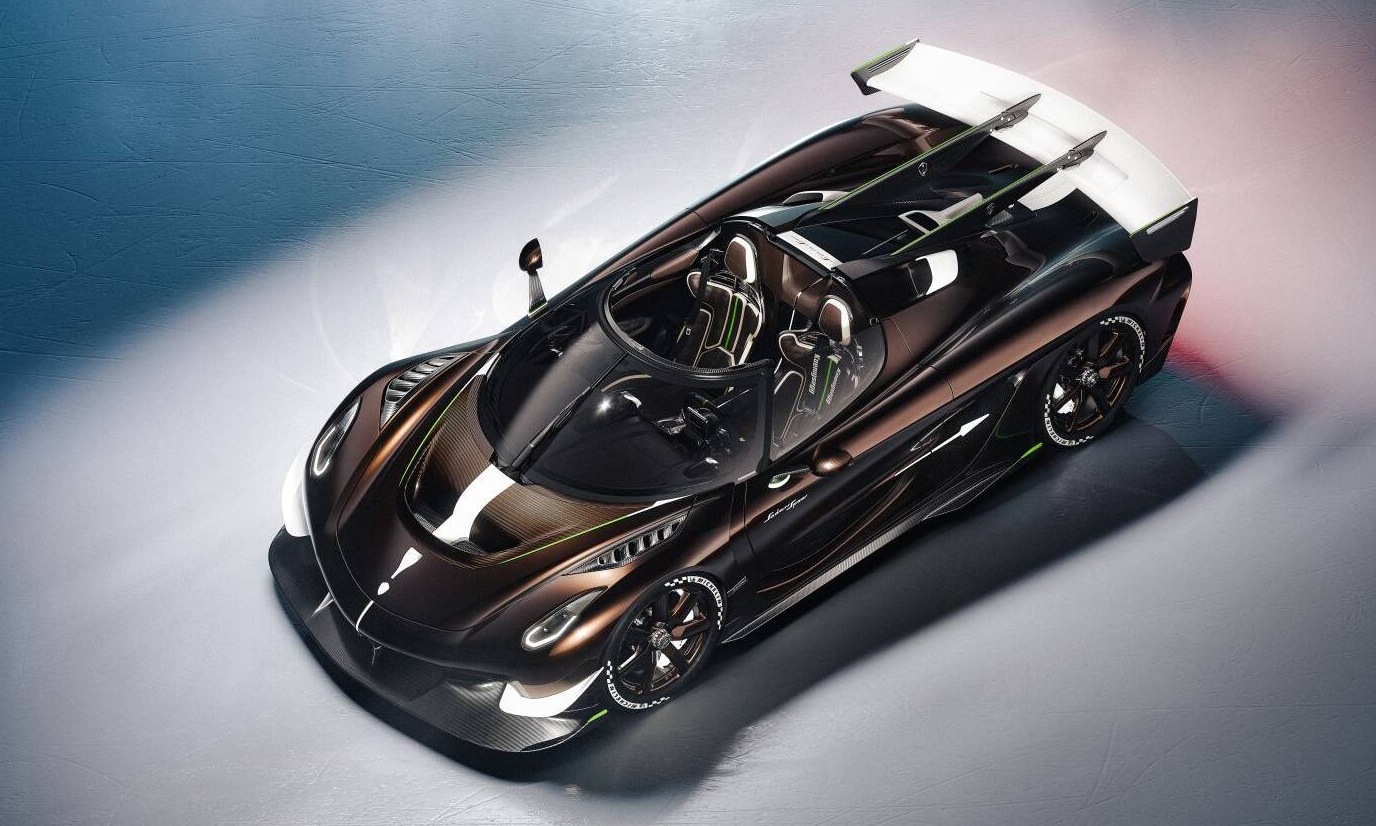 |
Photo: Koenigsegg |
Christian Von Koenigsegg named the Jesko after his father, and now, continuing that tribute, this limited-edition model is named in memory of his father's legendary racehorse, Sadair's Spear. This Koenigsegg model is likened to a racehorse faster than any other, powered by a 5-liter twin-turbo V8 engine producing 1.602 horsepower. It is not merely another million-dollar hypercar but one of the most powerful Koenigsegg has ever produced.
Minh Quan (via Carbuzz)