California aims for widespread electric vehicle adoption, meaning consumers will transition from traditional gasoline cars. This shift, however, impacts a significant portion of the state's revenue used for road maintenance.
With projected declines in fuel tax revenue, state officials are exploring a new alternative: mileage-based road charges. This means electric vehicle owners, who do not pay for fossil fuels, would contribute to road maintenance in another way.
Fuel taxes currently fund about 80% of California's road maintenance budget. For each gallon of gasoline pumped, approximately 61 cents contribute to maintaining the state's vast network of highways, interstates, and local roads.
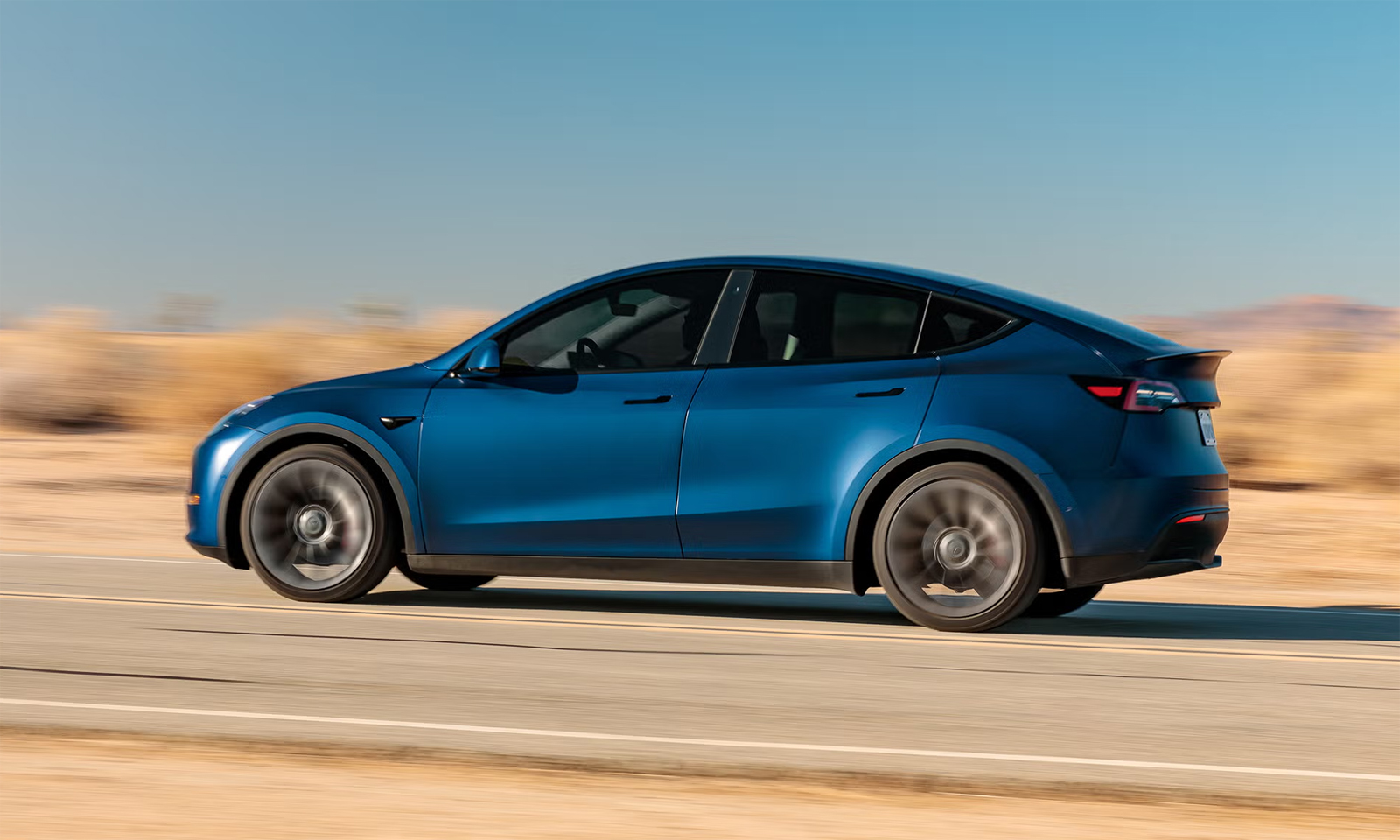 |
A Tesla electric vehicle in the US. Photo: Tesla |
As more people switch to electric vehicles, this revenue source will gradually diminish. This is where mileage-based road charges could come into play. California completed a road usage charge pilot program earlier this year, collecting 2-4 cents per mile (1,6 km) driven from electric vehicle owners.
Theoretically, this offers a simple way to recover necessary maintenance funds without relying on fossil fuels. However, implementation may not be straightforward.
First, setup and operational costs could be substantial. Second, long-distance drivers, often those in rural areas or with extensive commutes, may bear a disproportionate share of the expense.
According to Fox 26 News, a commuter traveling 5 days a week between Hanford and Fresno (approximately 53,4 km) could face weekly charges of around USD 11 under the proposed system. Multiplying that over a month or a year, it would become a significant cost for those who may not have easy alternatives.
Then there is the question of how the state would monitor each vehicle’s mileage. One proposed method involves installing tracking devices in vehicles to record miles driven.
This could quickly become costly, especially if it needs to be deployed across all electric vehicles on California roads. Even if the technology is feasible, it introduces another type of cost: concerns related to driver privacy.
Many Californians may have legitimate concerns about such direct surveillance, especially if data is processed by a third party or used beyond tax purposes. Balancing effective monitoring with personal privacy could be a difficult issue.
According to David Kline from the California Taxpayers Association, the logic behind this charge is simple: someone must pay for roads, and it should be those who use them.
However, he voiced concern that this fee might shift the burden to others, questioning whether some long-distance drivers could afford the new charge. The tension between fairness and practicality remains unresolved as the state considers its next step.
My Anh