Electric vehicle sales have consistently risen, continuing a growth trend since the modern EV industry emerged. This year has seen a particularly strong surge as nations respond to oil market fluctuations and recognize the urgent need to reduce reliance on fossil fuels.
Europe currently leads the world in electric vehicle sales growth. Within this region, Germany, its largest automotive market, is experiencing clear signs of this transition.
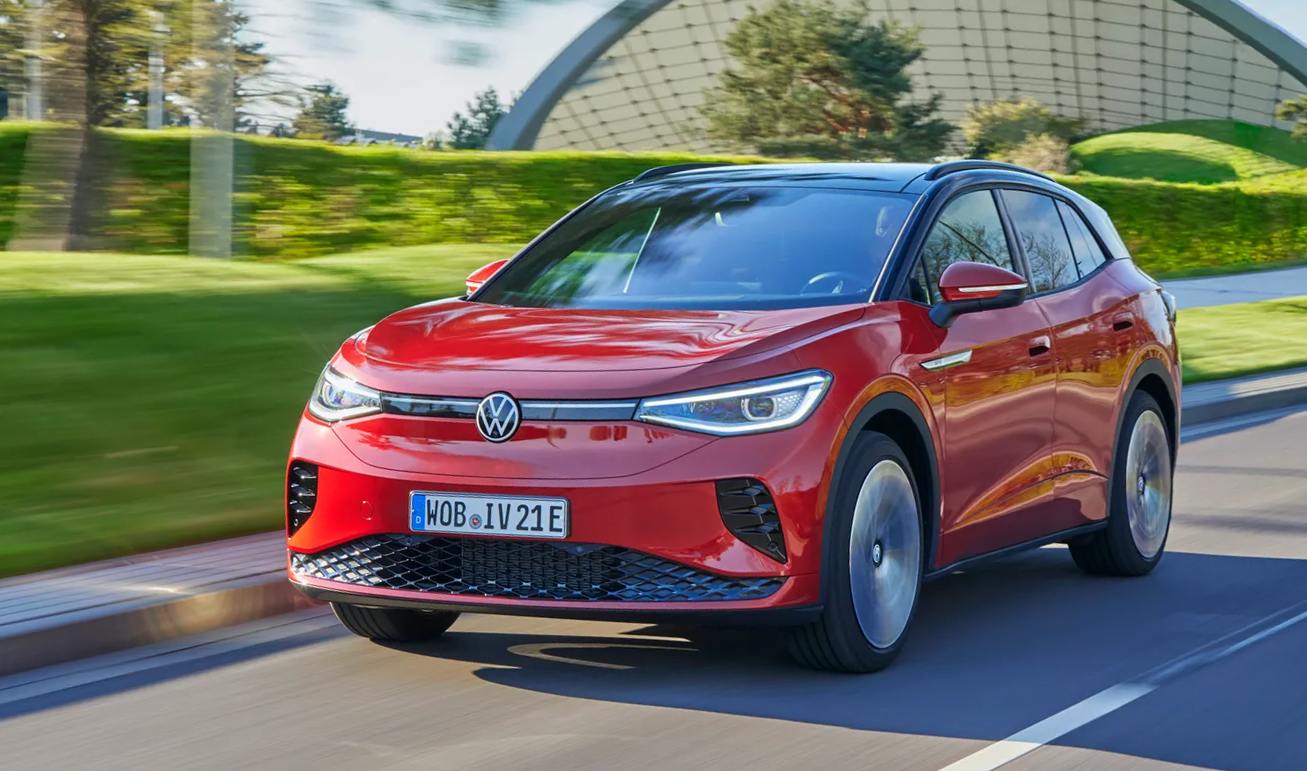 |
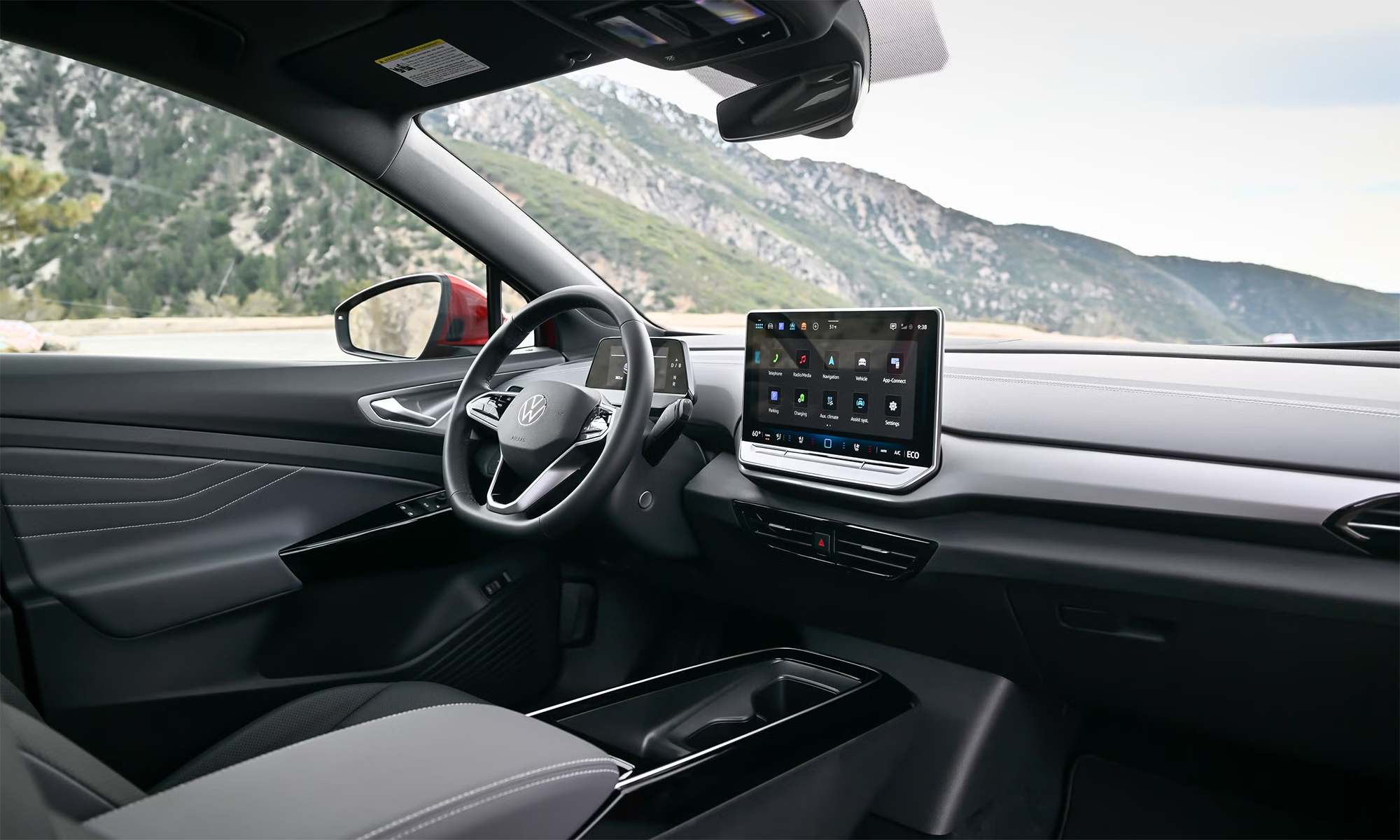
A Volkswagen ID. 4 electric vehicle in Germany. Photo: GQ
Germany initially lagged in the early stages of the electric vehicle wave. It was not until 2019 that EV sales in Germany surpassed those in Norway, despite Germany's market size being 16 times larger than the Nordic nation.
Since then, the German electric vehicle market has experienced fluctuations, yet the overall trend remains upward. While the government's cancellation of some subsidies in 2023 led to a sales decline, the market has since recovered, reaching new peaks.
The latest milestone occurred in June, the month with the most recent statistics. According to the Allgemeiner Deutscher Automobil-Club (ADAC), Germany's largest automotive association, battery electric vehicles (BEVs) reached a significant point, becoming the most popular consumer choice for the first time.
Specifically in June, the BEV segment narrowly surpassed traditional hybrid vehicles, with 84,057 units sold compared to 83,315. In late 2025, BEVs still ranked behind both hybrid and gasoline cars.
During the same month, gasoline-powered cars recorded sales of 60,796 units, diesel cars sold 33,862 units, and plug-in hybrid electric vehicles (PHEVs) reached 32,212 units.
These results enabled the BEV segment alone to capture 28,4% of the market share, exceeding that of gasoline cars (21,9%) and diesel vehicles (13%).
Despite this, the majority of vehicles sold in Germany still rely on fossil fuels, indicating significant challenges ahead for the automotive industry. While BEVs have surpassed individual powertrain types, they have not yet overtaken the total volume of internal combustion engine (ICE) vehicles.
The surge in BEV sales contributed to a 13,6% reduction in the average CO2 emissions of new cars in Germany compared to the same period in 2025. This is a positive decrease, but the world requires a similar pace of change across all industries to mitigate the impacts of climate change.
Considering the total number of vehicles in circulation, electric vehicles still have a long way to go, as the combined total of BEVs and PHEVs accounts for only about 6% of cars on German roads. This marks the first month BEVs have outsold other vehicle types, yet the lifecycle of an automobile typically spans many years.
For comparison, Norway essentially phased out new internal combustion engine cars from 2021, but it was not until 2026 that the number of electric vehicles on its roads surpassed diesel cars. It is projected to take another decade for traditional combustion engines to completely disappear in Norway.
Consequently, a large number of internal combustion engine vehicles will continue to circulate on German roads for the foreseeable future, as most new cars currently sold still produce emissions. Additionally, Europe's relaxation of electric vehicle targets, despite oil shocks, could extend the lifespan of combustion engines for some time.
My Anh (according to Electrek)