For the past 15 years, automakers have been replacing physical buttons with touchscreens, arguing that this is what customers desire. However, Toyota recently acknowledged that the redesigned RAV4 might have taken this concept too far. The company is not ruling out reversing the design if users are dissatisfied.
In the new RAV4, Toyota retained some mechanical controls for volume, air conditioning temperature, drive mode shortcuts, and a few other frequently used features. Despite this, many functions that previously had dedicated physical buttons, such as fan speed, vent direction, and seat heating, have now been integrated into the central screen.
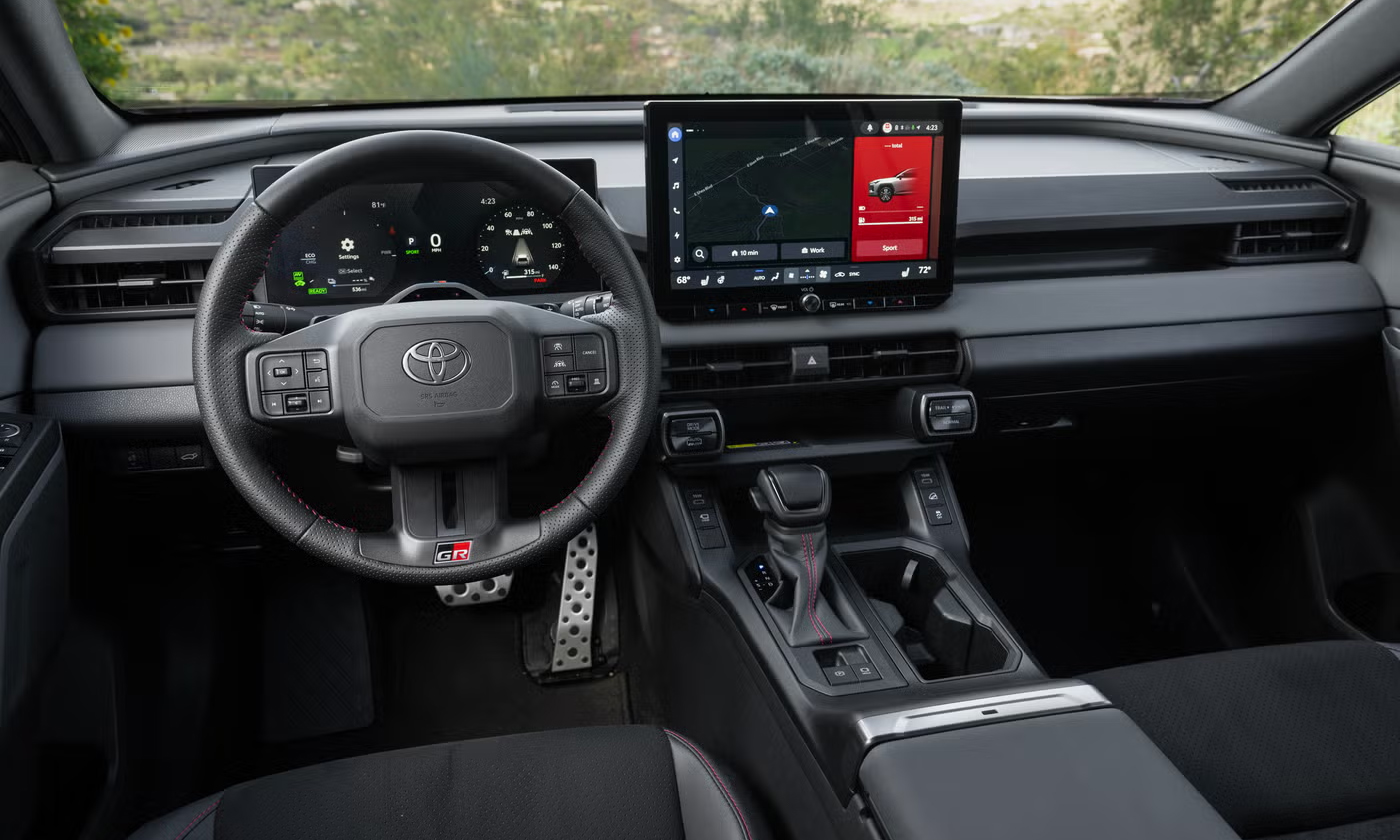 |
The screen system and physical buttons on the Toyota RAV4 model. Photo: Toyota |
The screen system and physical buttons on the Toyota RAV4 model. Photo: Toyota
Yoshinori Futonagane, the chief engineer for the RAV4 line, shared with Drive that the company's initial plans were even more radical. "We tried to put as many features as possible on the touchscreen and asked ourselves: What is the minimum limit of physical buttons we can keep?" Futonagane stated.
Listening to customer feedback
Despite their initial approach, Toyota appears uncertain about having found the perfect balance. Futonagane noted that the company is closely monitoring feedback from vehicle owners and evaluating whether to reintroduce some physical controls in future updates. "If necessary, we will definitely do it," he affirmed when asked about the possibility of bringing back mechanical buttons.
The biggest surprise comes from the China market. Experts have long assumed that car buyers in China are the strongest proponents of large touchscreens, which have inspired tech-heavy interiors globally. However, according to Futonagane, customer preferences in China are shifting.
Trend towards physical buttons
"They don't like it," he said regarding the reaction of Chinese drivers to Toyota models that are too screen-centric. "They want knobs and buttons." The RAV4 chief engineer added that Toyota has already begun reintroducing physical controls on some other models.
While air conditioning functions were moved to the screen in the new RAV4, the drive mode cluster retains prominent physical buttons. Futonagane explained that Toyota wants owners to easily interact with different driving settings to enjoy the SUV experience. However, he immediately questioned whether customers actually use these drive modes frequently, suggesting that the answer is likely no.
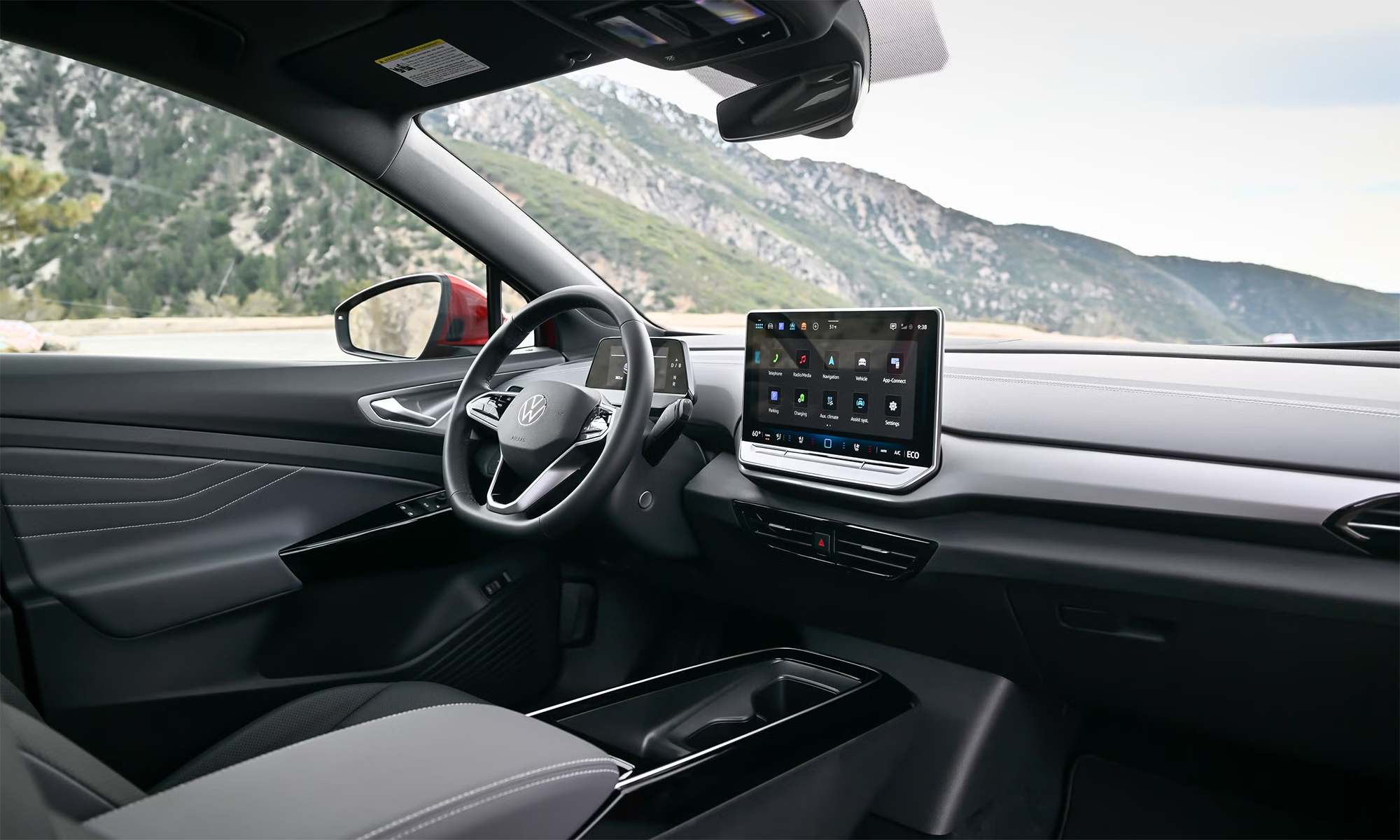
The debate between touchscreens and physical buttons will continue. Some automakers still insist that a central screen is a safer solution, while other major players, like Volkswagen, are quietly bringing back mechanical buttons. Toyota's willingness to reconsider indicates that the global automotive industry has yet to find a definitive answer to this challenge.
My Anh