In June, the D-segment SUV/Crossover market in Vietnam recorded total sales of 1,586 vehicles, a decrease of 110 units from May, according to the Vietnam Automobile Manufacturers' Association (VAMA) sales report. Ford Everest's sales decline was the main factor shrinking the segment, even as rivals like the Toyota Fortuner and Kia Sorento saw increased deliveries.
Statistical data shows the D-segment high-riding vehicle segment experienced a nearly 6.5% drop from the previous month. The Everest maintained its segment lead, but sales fell from 1,062 vehicles in May to 818 in June, a decrease of 244 units.
The Mazda CX-8 maintained stable sales with 287 vehicles, increasing by one unit from May, securing its second-place position. The Toyota Fortuner delivered 181 vehicles, an increase of 71 units from 110 in May. This surge propelled the Fortuner to 3rd place in monthly sales.
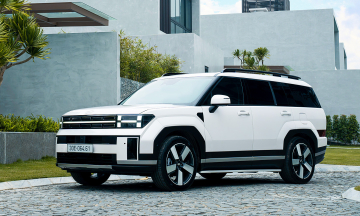
Among Korean high-riding models, the Kia Sorento saw 167 vehicles delivered to customers, up 65 units from 102 the previous month. The Hyundai Santa Fe recorded sales of 125 vehicles, a negligible change from its 124 units in May.
At the bottom of the sales chart, the Isuzu mu-X sold only 8 vehicles in June, a decrease of 4 units from May.
Segment landscape in the first half of 2026
Across the first six months of 2026, total D-segment high-riding vehicle sales in Vietnam reached 10,377 units. The cumulative rankings reveal a significant market share differentiation among models.
The Everest maintained the largest market share at 58.8%, selling 6,101 vehicles in the first half of the year. The CX-8 secured second place with cumulative sales of 1,781 units. The Santa Fe ranked third, delivering 1,064 vehicles. The remaining models were the Fortuner with 786 units, the Sorento with 563 units, and the mu-X with only 82 units.
The June growth of the Fortuner and Sorento indicates efforts by Japanese and Korean automakers to enhance their market share. Despite this, the cumulative sales gap with the Ford Everest remains substantial. Market dynamics in the second half of 2026 are expected to be influenced by pricing incentives from automakers designed to boost consumer demand.
Luong Dung