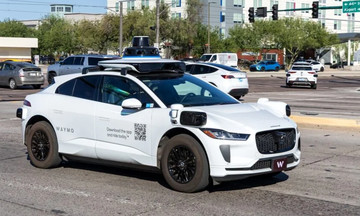
The automotive industry in 2025 is shaped by a gradual but steady transition to electrified vehicles. Market realities reveal challenges such as a decelerating adoption rate, supply chain volatility, escalating costs, and intense competition from China. The industry also sees innovation in model diversity, new technologies, and evolving consumer preferences.
Globally, more than 25% of new cars sold in 2025 are electric vehicles. Europe recorded 3,8 million electric vehicle sales in the first 11 months of 2025, a 33% increase compared to the same period in 2024, marking the highest global growth, according to Benchmark Mineral Intelligence.
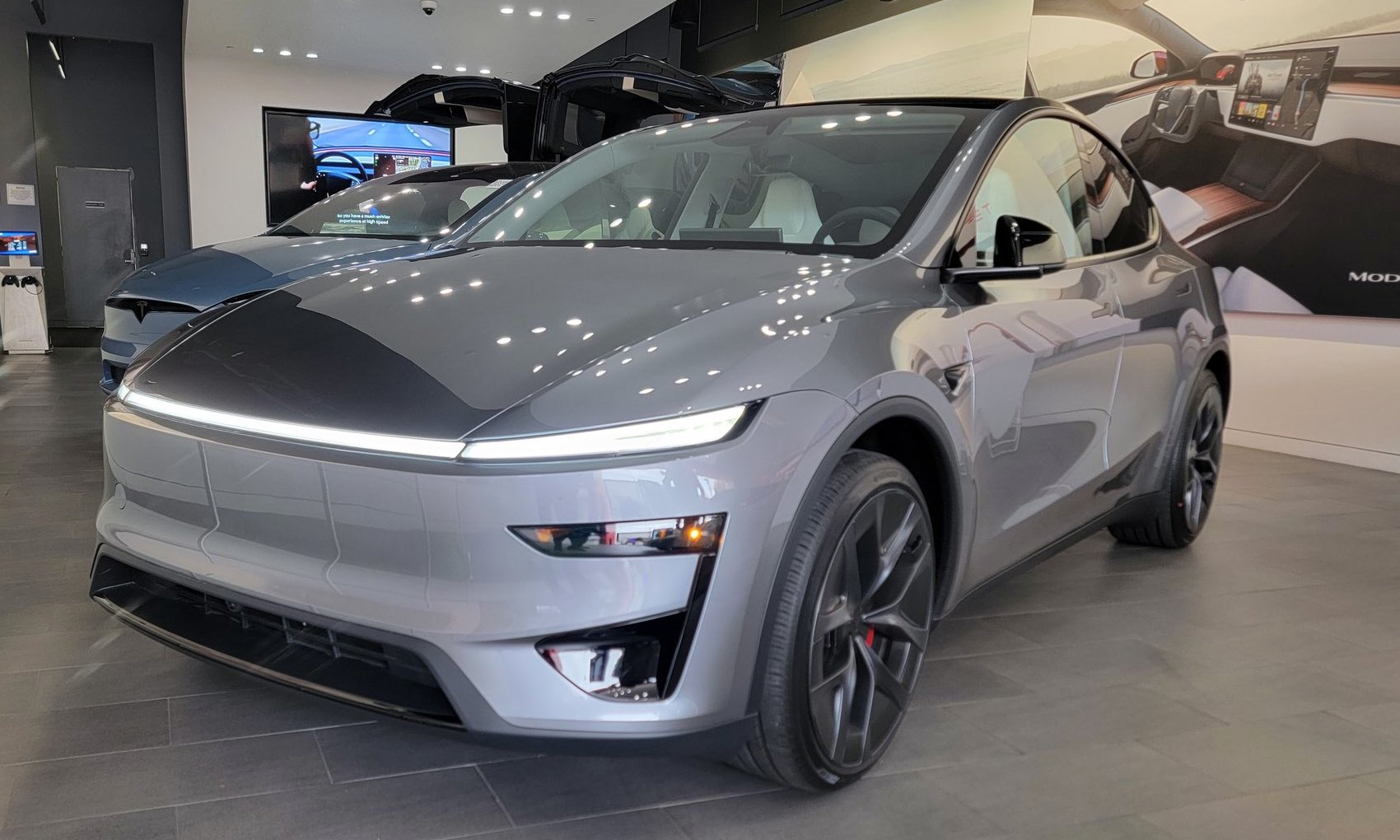 |
the Tesla Model Y was the world's best-selling electric vehicle in 2025. Photo: Nic Cruz Patane |
While Europe leads in growth rate, the focus of global electric vehicle market expansion is gradually shifting towards Southeast Asia. According to the Ember energy think tank, emerging markets such as Vietnam and Singapore are projected to achieve an electric vehicle sales market share of approximately 40%, surpassing both the United Kingdom and the European Union (EU) in green vehicle penetration. Indonesia and Thailand also recorded rapid penetration rates, reaching 15% and 20% respectively, significantly higher than many developed markets.
Conversely, electric vehicle sales in the United States faced difficulties due to the loss of tax credits, leading to stagnant or declining sales in some regions. Electric vehicles remain more expensive than comparable internal combustion engine or hybrid models.
The past year notably saw a significant surge in hybrid vehicle popularity, driven by their affordability and fuel efficiency. Hybrids emerged as a practical choice as the adoption of pure electric vehicles encountered challenges like high costs and a lack of charging infrastructure, especially with the removal of subsidies in some key markets.
Hybrid models from Toyota, Honda, and Hyundai dominate the market, while the electric vehicle market continues to expand with new models from established brands and startups. According to Edmunds, the number of different hybrid models has grown significantly, offering nearly 50% more choices than approximately five years ago.
 |
a Toyota Camry Hybrid in the US. Photo: Car and Driver |
Hybrid vehicles experienced strong global growth, but demand varied by region. In the United States, the Toyota Camry Hybrid and Honda CR-V Hybrid were best-selling models, while the Toyota Tacoma Hybrid saw growth of more than 400%.
In Europe, hybrid vehicle growth was robust, yet plug-in hybrid electric vehicles (PHEV) declined, partly due to changes in tax credits, as noted by PwC & Strategy.
In Vietnam, customers also increasingly favor hybrid vehicles. As of November, cumulative hybrid car sales reached more than 12,800 units, a 55% increase compared to the same period in 2024. In terms of market share structure, Toyota remains the top-selling hybrid brand, accounting for approximately 57%. Honda, Suzuki, and Kia followed with market shares of 22%, 20%, and 1% respectively.
Last year, the global automotive industry confronted unprecedented pressure from shifts in global trade, the removal of protectionist policies, and soaring tariffs.
The trade conflict escalated with the United States imposing higher tariffs on imported cars and components. Europe also implemented tariffs on Chinese electric vehicles, on top of the existing 10% tariff, to protect its internal manufacturing sector.
In the United States, federal tax credits for electric vehicles were cut in September, leading to a significant sales decline in Quarter IV.
China also removed electric vehicles from its five-year development plan. Reuters reported that this signals Beijing's readiness to end electric vehicle subsidies, after years of spending billions of US dollars to help the populous nation become a leader in the global electric vehicle market and supply chain. As of July 2024, new energy vehicles accounted for more than 50% of total automotive sales in China, surpassing policymakers' initial targets by more than ten years.
Chinese automakers are a significant force, impacting global exports and market share, according to the IEA and Krungsri. Despite trade barriers, Chinese brands like BYD and Xiaomi continue to dominate the budget segment, prompting many established European and American automakers to form defensive alliances.
In 2025, software-defined vehicles (SDVs) transitioned from an industry trend to a commercial reality, serving as a crucial buffer against global trade tensions. By decoupling vehicle features from hardware – which is often subject to fluctuating tariffs – manufacturers are using software to maintain resilience and unlock new revenue streams.
The global SDV market was valued at approximately USD 235,8 billion to 290,3 billion in 2025. While growth remains strong, some forecasts have been slightly adjusted downwards by about 0,2% due to United States tariffs increasing the cost of electronic control units (ECU) and essential telecommunication components.
China currently leads this sector, with approximately 65% of electric vehicles sold there in 2024 featuring software control capabilities, enabling highly customized user experiences. In 2025, the Nio ET9 was ranked as the most level 5 SDV-ready model for 2025, according to S&P Global Mobility research. This was followed by level 4 rankings for the Tesla Cybertruck and models from Xpeng and Li Auto.
Last year, the autonomous vehicle (AV) industry transitioned from pilot testing to large-scale commercialization, characterized by the expansion of robotaxi fleets and the introduction of level 3 (L3) features into consumer vehicles.
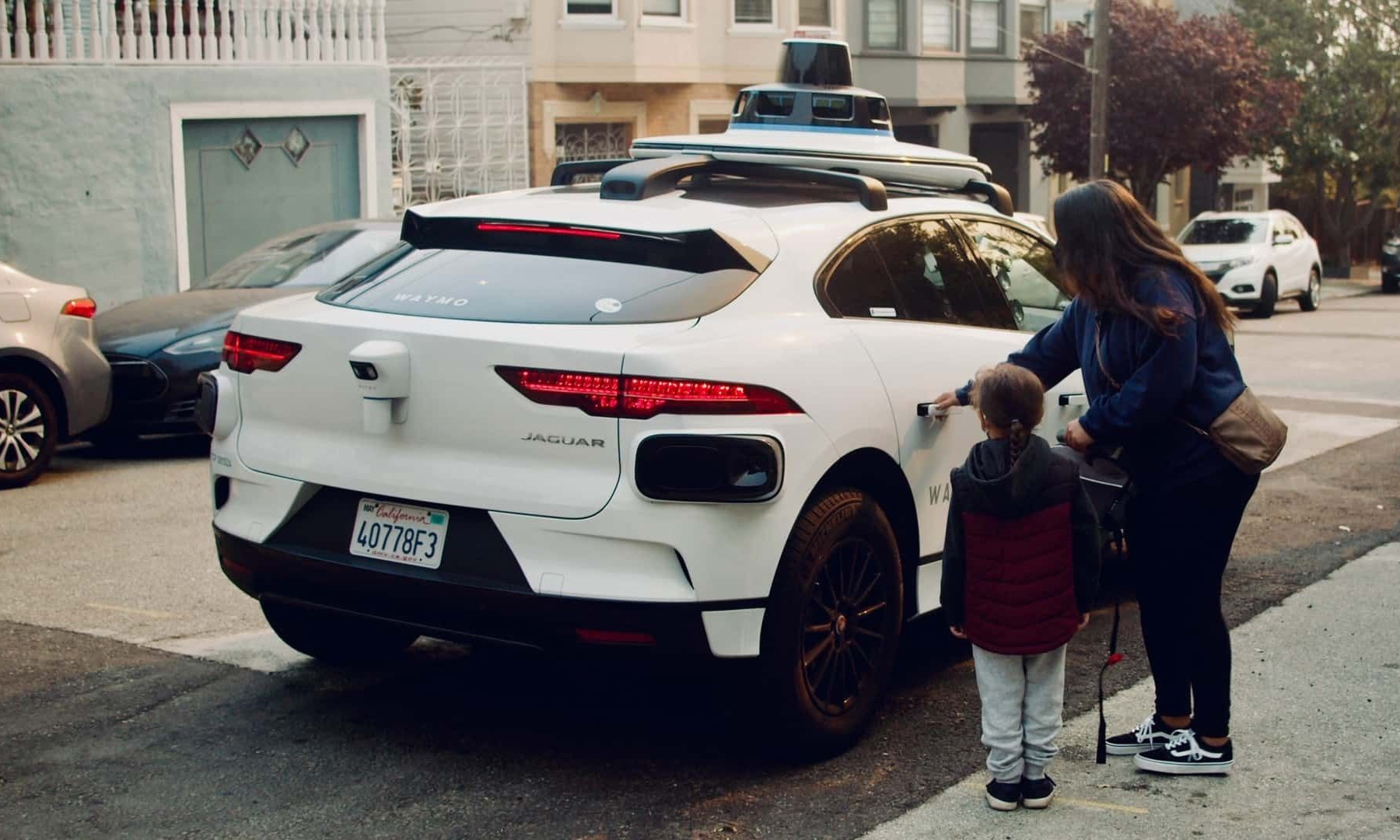 |
a customer and child hailing a Waymo robotaxi in California. Photo: Tesla Austin Owners |
While fully autonomous vehicles (level 5) remain a long-term goal, level 2 and 3 automation are expected to account for approximately 66,7% of new vehicle sales this year.
Leading the United States market, Waymo is providing more than one million self-driving trips per month and is expanding into cities like Dallas, Houston, and Miami.
Tesla plans to launch a dedicated Cybercab robotaxi service and expand its full self-driving (FSD) capabilities, despite facing close regulatory scrutiny regarding its camera-only approach versus competitors' reliance on lidar.
China is a world leader in autonomous vehicle adoption, with companies like Baidu operating large robotaxi fleets in cities such as Wuhan. BYD is rapidly expanding level 2+ features to millions of cars.
My Anh