Euro NCAP has voiced concerns that some automakers are prioritizing low prices by omitting advanced safety technology. Speaking at the 2026 Protocols Media Launch Event last week, Euro NCAP Technical Director Richard Schram stated that certain car manufacturers "do not aim to produce the safest vehicles." He noted that some brands choose to reduce driver assistance technologies or protective features to keep prices more accessible. Schram added, "They clearly state their customers are unwilling to pay more for these technologies."
The Romanian carmaker Dacia, part of the Renault group, serves as an illustrative example cited by Euro NCAP. This brand has consistently emphasized its focus on affordable prices over pursuing 5-star safety certification. In 2021, Dacia CEO Denis Le Vot stated the brand would not prioritize achieving a 5-star Euro NCAP rating if it resulted in increased vehicle costs. According to Le Vot, Dacia's customers are more concerned with ownership costs and accessibility.
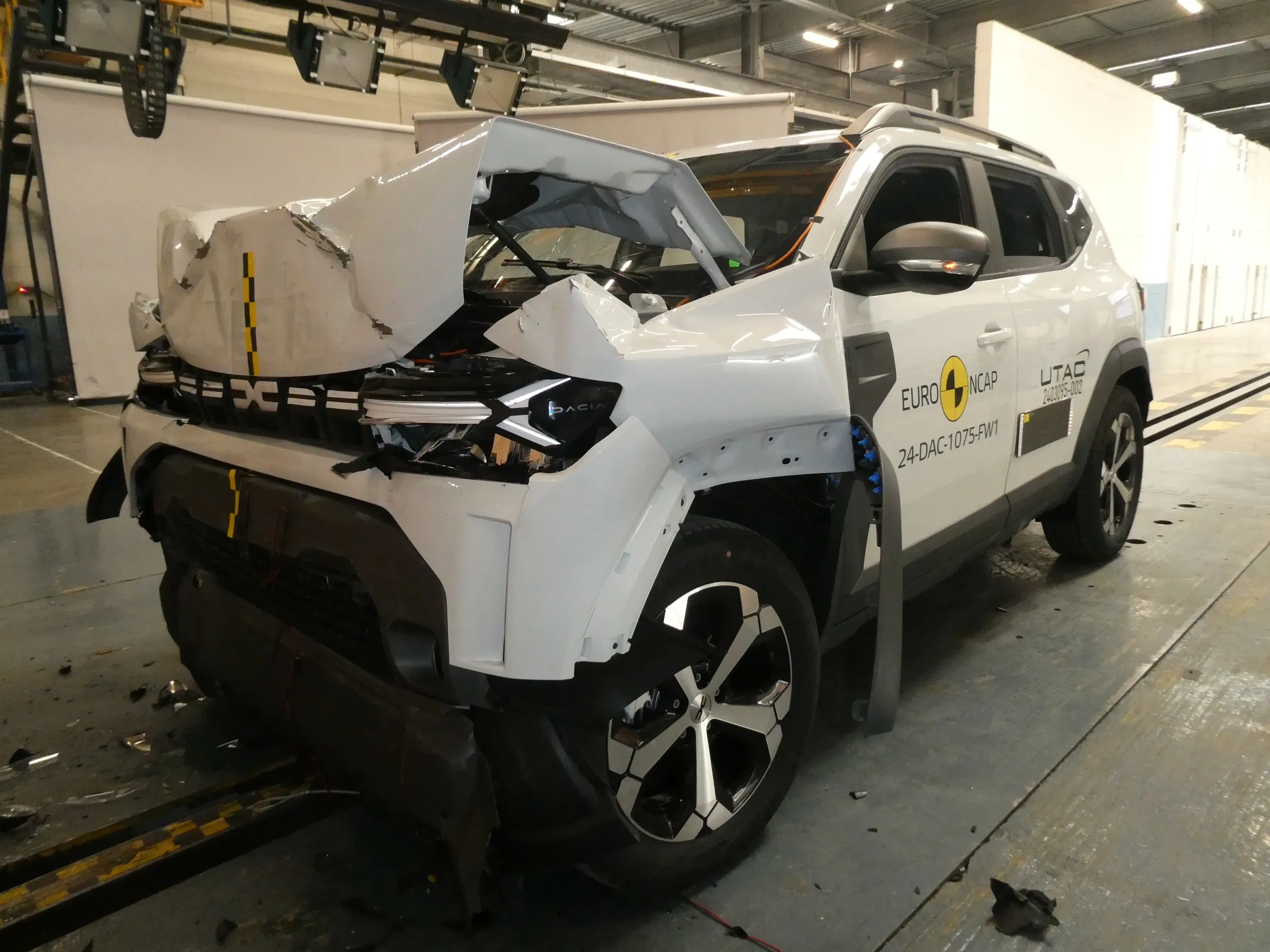 |
Dacia Duster, a model with a 3-star Euro NCAP safety rating. Photo: Euro NCAP |
Dacia Duster, a model with a 3-star Euro NCAP safety rating. Photo: Euro NCAP
Euro NCAP Secretary General Michiel van Ratingen noted that incorporating safety technology is less costly than previously, thanks to economies of scale and shared platforms across multiple vehicle lines. However, some manufacturers still view this as an element that can be reduced to control costs. "Simply having technology does not automatically enhance vehicle safety; choosing to remove them solely to lower the selling price is a deliberate strategy," he said.
Euro NCAP clarified that vehicles with 3 or 4-star ratings are not inherently unsafe, as they still comply with European road safety standards. Nevertheless, 5-star models generally provide superior occupant protection and incorporate more sophisticated driver assistance systems.
Recently, numerous electric vehicle makers and Chinese brands have heavily promoted their 5-star Euro NCAP results as a key selling point in the European market. Conversely, entry-level automakers contend that the escalation of safety technology is making vehicles unaffordable for general consumers.
Some European automotive experts also suggest that Euro NCAP's current assessment methodology is increasingly dependent on electronic driver assistance technologies, while the fundamental structural integrity of many vehicles remains robust. From 2026, Euro NCAP will introduce new testing protocols related to driver assistance and collision avoidance, thereby raising the bar for a 5-star rating.
Ho Tan (according to Drive)