The US House of Representatives has proposed an annual fee of $130 for electric vehicles nationwide, aimed at addressing declining federal road maintenance funds.
This fee is projected to increase by $5 every two years, starting in 2029, with a maximum cap of $150. The proposal also calls for a $35 fee on plug-in hybrid electric vehicles (PHEVs), which would later be capped at $50.
This additional fee has been a recurring topic of discussion, with lawmakers expressing concerns that electric vehicle drivers, who do not purchase gasoline and thus do not pay federal gasoline taxes that fund road projects, benefit from the nation's road system without contributing proportionally to its upkeep.
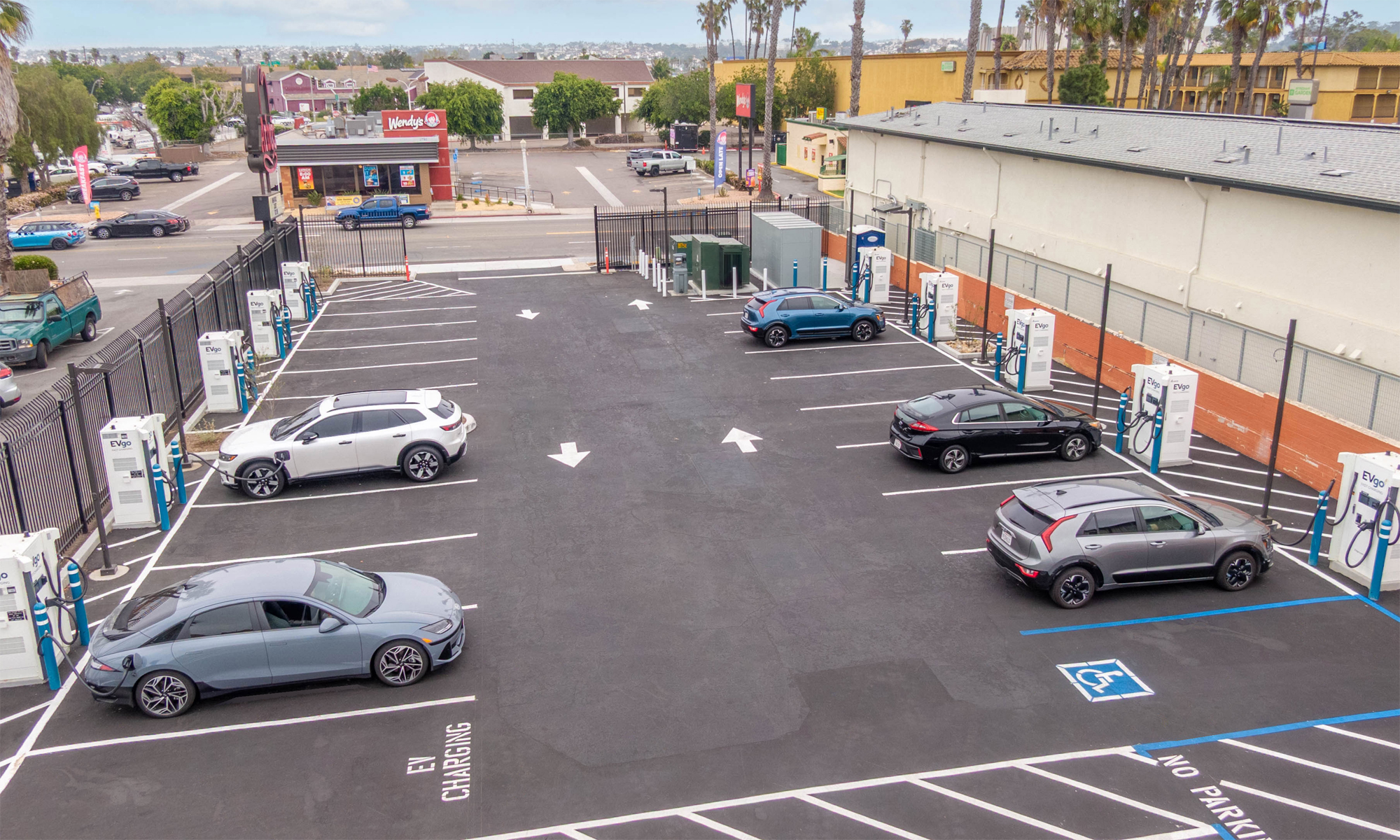 |
An electric vehicle charging station in San Diego, US. Photo: EVgo
Most states currently impose similar fees on electric vehicles to address this issue at the local level.
Michigan currently has the highest electric vehicle fees nationwide after lawmakers significantly increased these charges in 2025 as part of a road funding plan. For 2026, the fee is $267 (up from $160) for electric vehicles and $113 (up from $60) for plug-in hybrid electric vehicles.
If federal fees take effect, the total annual electric vehicle registration cost in Michigan would be approximately $400. The state has three members on the House Transportation and Infrastructure Committee, which introduced the proposal.
The House's proposal to levy additional federal electric vehicle fees on top of existing state charges is part of a bipartisan agreement within a comprehensive highway transportation reauthorization bill.
Typically, the US Congress passes a reauthorization bill every 5 or 6 years to set funding levels for federal safety, transit, and highway programs. The most recent such legislation was the Infrastructure Investment and Jobs Act of 2021, also known as the Bipartisan Infrastructure Deal.
The Zero Emission Transportation Association (ZETA), an electric vehicle advocacy group in Washington whose members include Tesla, LG, and Duke Energy, sharply criticized the proposal. ZETA stated that the proposal is essentially a "punitive tax" that disproportionately affects early electric vehicle adopters without significantly impacting fund maintenance.
The bill still requires formal legislative introduction and approval by both chambers of Congress. Proponents hope to present it to the President for signature before 30/9, when the current funding act expires.
My Anh (according to Detroit News)