Six European Union (EU) nations have formally requested that the European Commission (EC) ease the upcoming 2035 ban on new internal combustion engine vehicles. In a joint letter, the prime ministers of Bulgaria, the Czech Republic, Hungary, Italy, Poland, and Slovakia called for the continued allowance of hybrid vehicles and other technologies that can contribute to emission reduction targets beyond 2035, according to Reuters.
The signatories also advocated for integrating low-carbon and renewable fuels into future plans for decarbonizing the transportation sector. Their appeal highlights a growing sentiment among some member states to reconsider the strict timeline for phasing out traditional engines.
The EC is currently preparing a comprehensive support package for European automakers, which may include adjustments to the 2035 internal combustion engine ban. While initially slated for announcement on 10/12, the package's unveiling could be delayed.
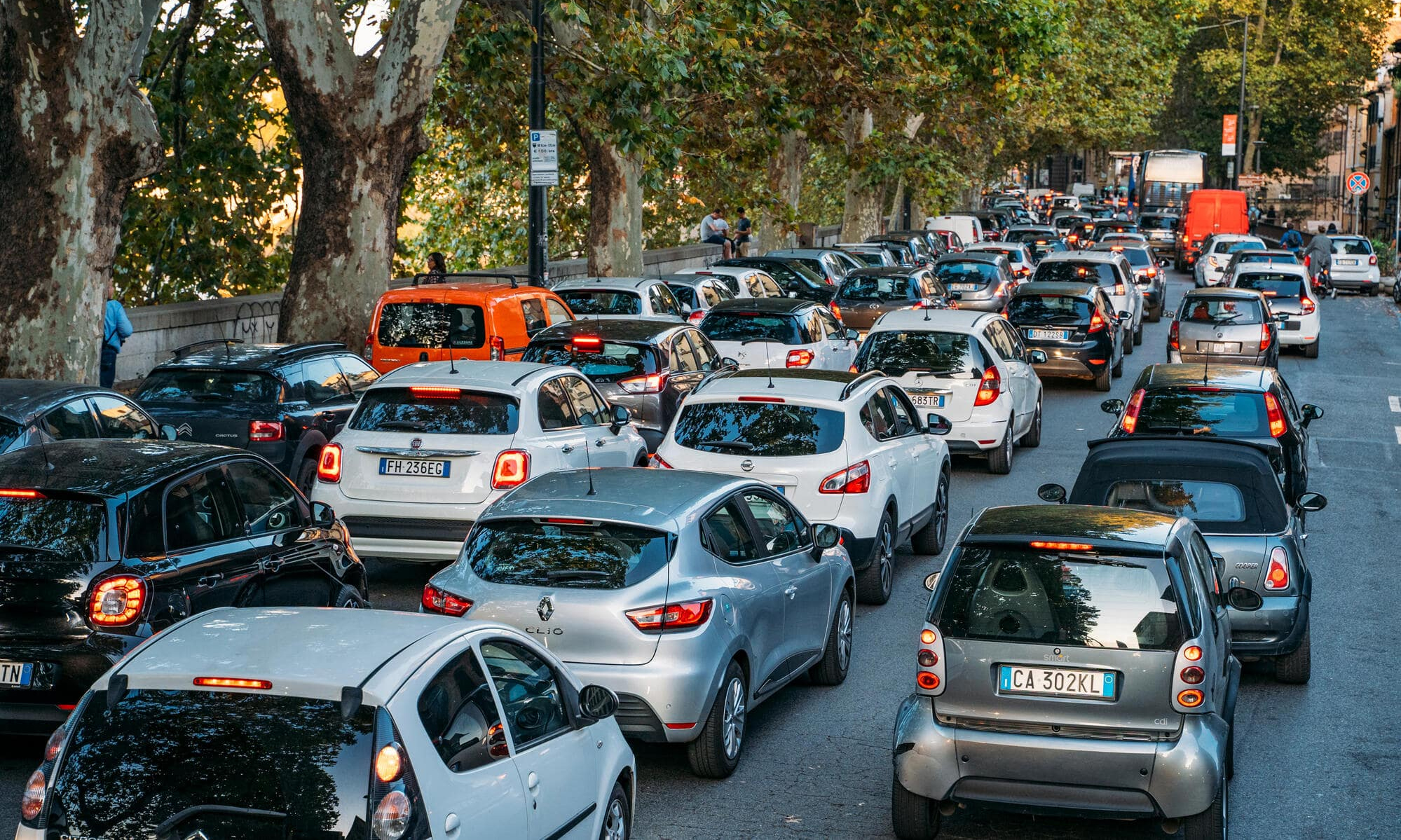 |
Cars lined up four deep on a street in Rome, Italy. *Funweek* |
The push for reconsideration comes after the EU passed a regulation in 3/2023, mandating zero emissions for all new vehicles from 2035. Despite earlier optimistic forecasts for battery electric vehicles, automakers now face significant challenges: lower-than-expected consumer demand and fierce competition from Chinese manufacturers.
In their collective letter, the prime ministers emphasized the need to pursue climate targets effectively without undermining the competitiveness of petrol cars. They argued that "there is nothing green in an industrial desert," implying that a struggling automotive industry would hinder environmental goals.
Germany has also actively lobbied for greater flexibility regarding the 2035 ban. In early 12, Handelsblatt reported that the EC's delay in announcing its automotive support package was partly due to the potential weakening of the internal combustion engine phase-out plan, a move advocated by Germany and its powerful auto industry.
An EC commissioner confirmed the desire to present a truly comprehensive automotive support package. The commissioner expressed openness to Berlin's request for more flexibility on the current 2035 target, including allowing plug-in hybrid vehicles and highly efficient internal combustion engines. Earlier, in late 11, German Chancellor Friedrich Merz had written to the EC, urging a relaxation of the ban and stressing the need for automakers to have more adaptability during the transition to electric vehicles.
Merz, a long-standing ally of the automotive industry, stated that the internal combustion engine phase-out timeline is unrealistic. He cited the intense competition from China and the slower-than-anticipated adoption rate of electric vehicles as key challenges for manufacturers.
My Anh