Toyota has introduced the Gazoo Racing Gran Turismo (GR GT) as its new flagship sports car, designed to follow in the footsteps of legends such as the Toyota 2000GT and Lexus LFA. The company aims for the GR GT to become an iconic vehicle that passes down "car-making secrets" to the next generation.
Toyota describes the GR GT as a "Shikinen Sengu" - a centuries-old Japanese ritual where the Ise Jingu shrine is rebuilt every 20 years. This comparison underscores the special significance of the model for Toyota.
At the heart of the GR GT is an all-new 4-liter twin-turbo V8 engine, marking Toyota's first commercial twin-turbo V8. It features a hot-V twin-turbo design and a larger bore than stroke, which contributes to a lower engine height, high revving capability, and rapid response.
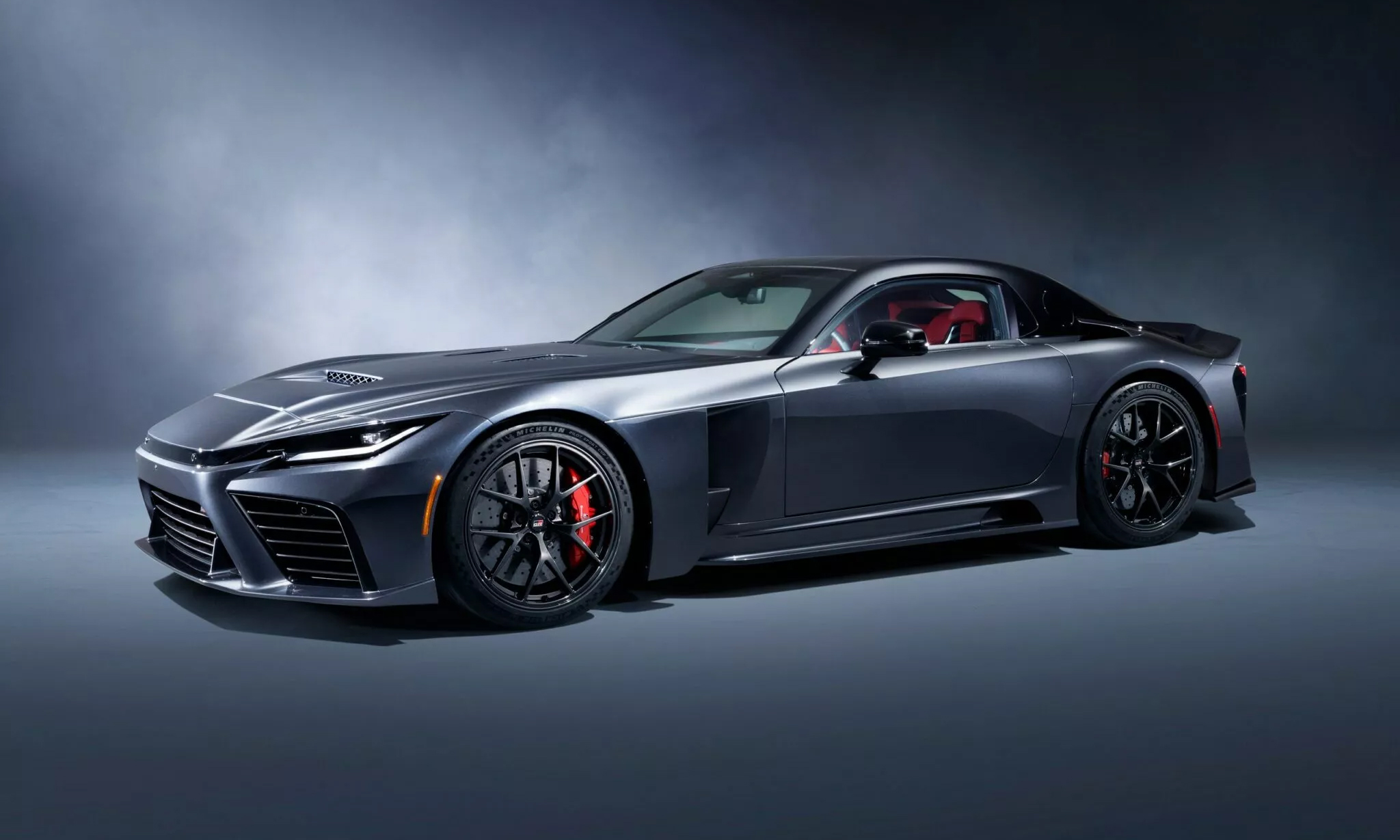 |
The Gazoo Racing Gran Turismo (GR GT) is the new flagship sports car from the Japanese manufacturer. Photo: Toyota
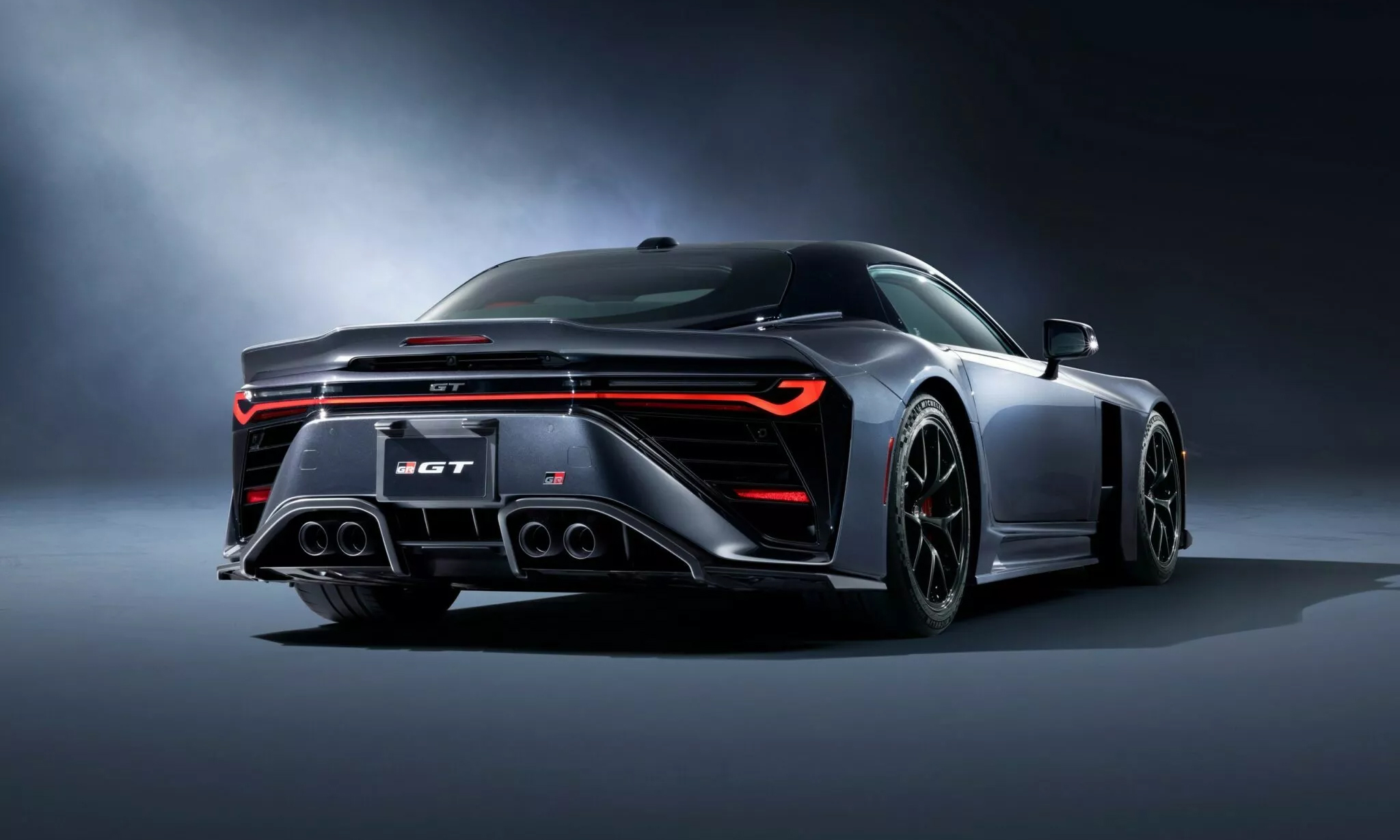 |
This image shows the commercial version.
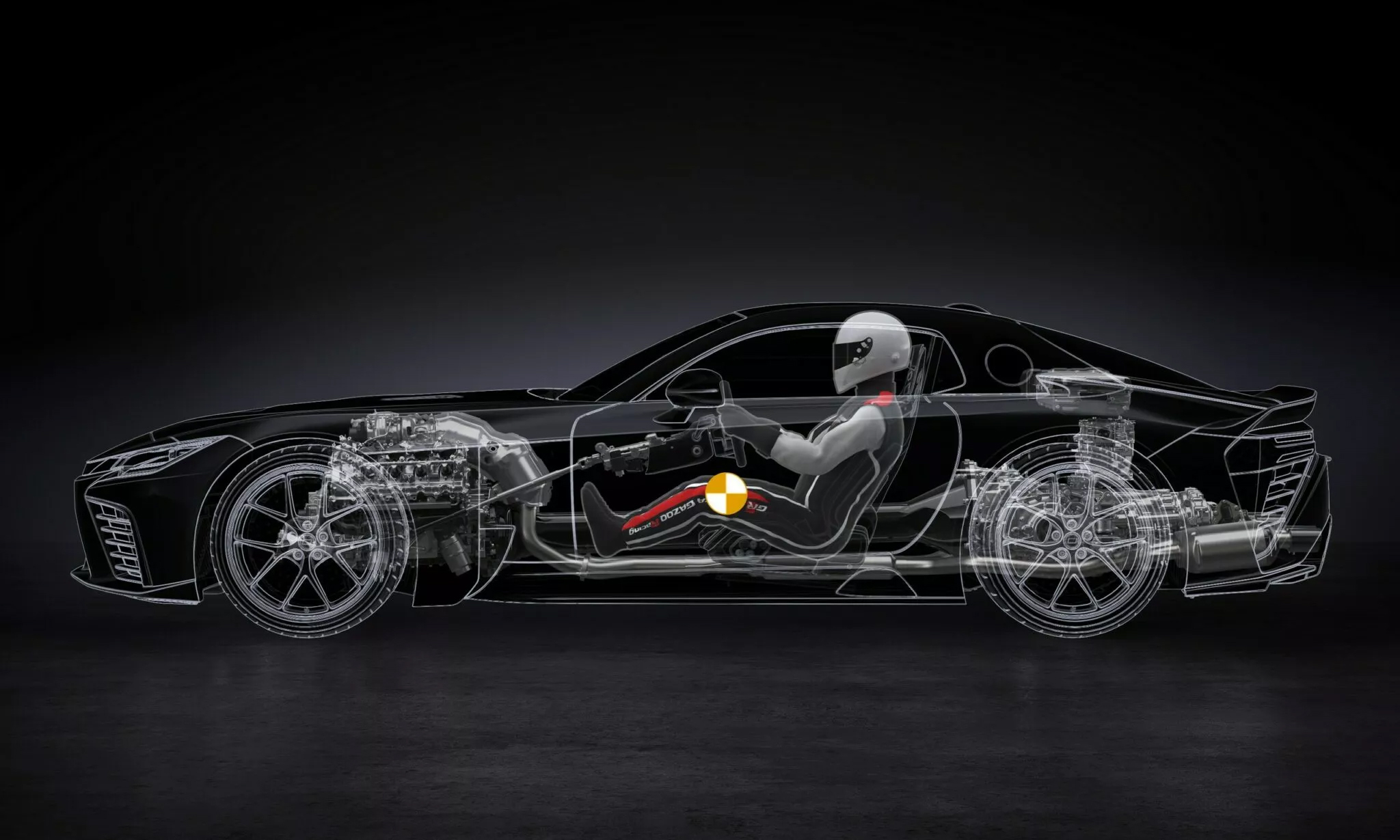 |
The driver's position is designed with track priorities in mind, emphasizing external visibility and controls placed close to the driver.
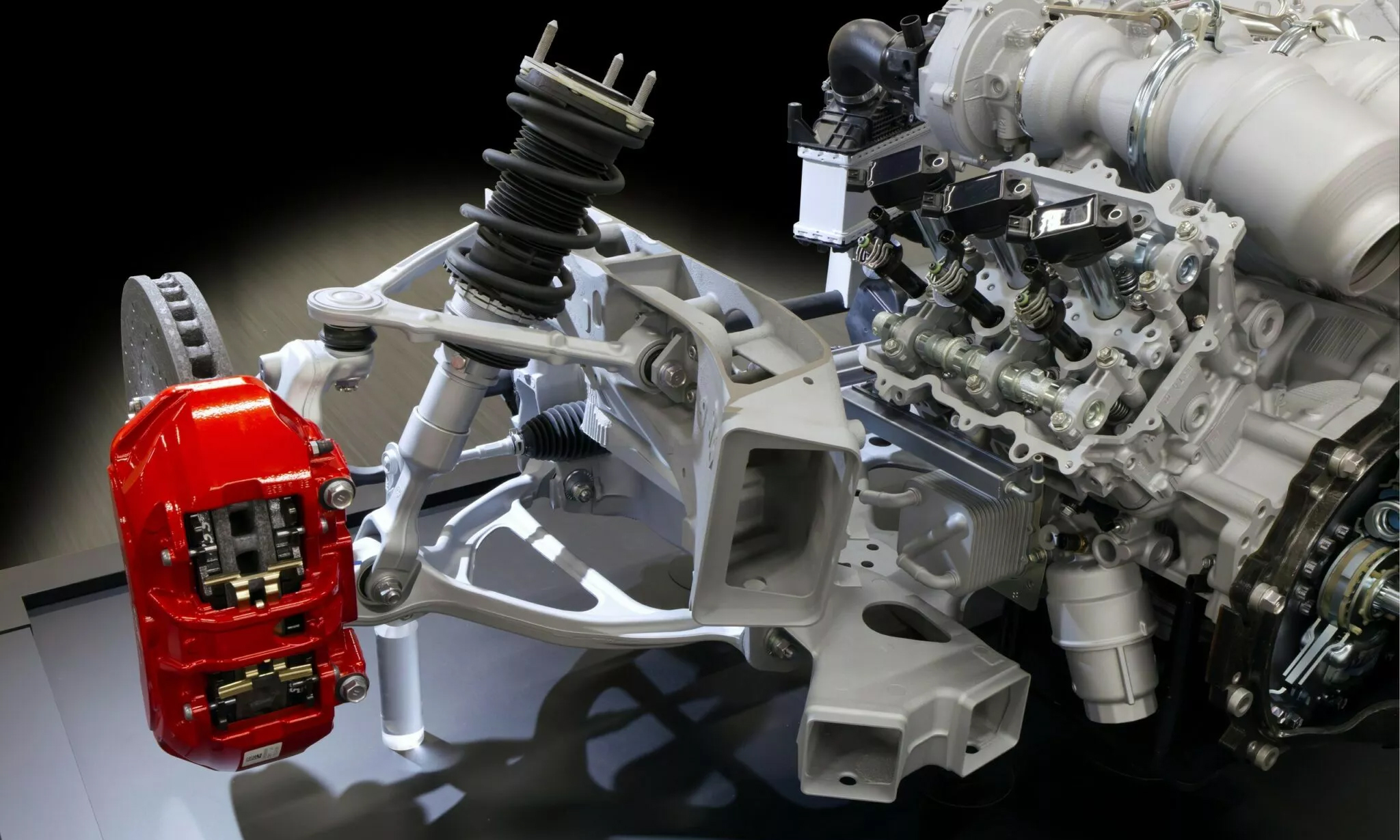 |
The GR GT is also Toyota's first model to use an all-aluminum chassis.
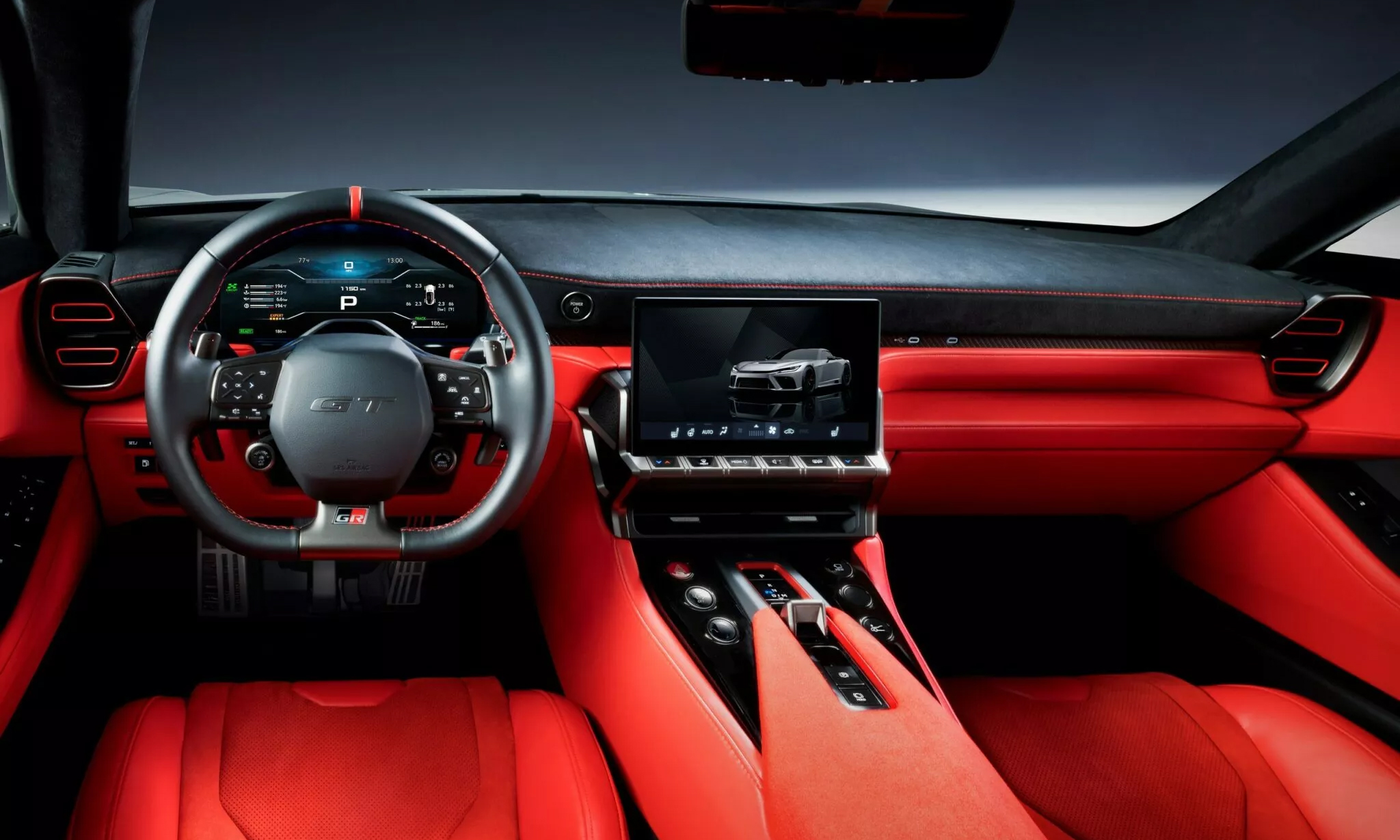 |
The interior of the commercial version.
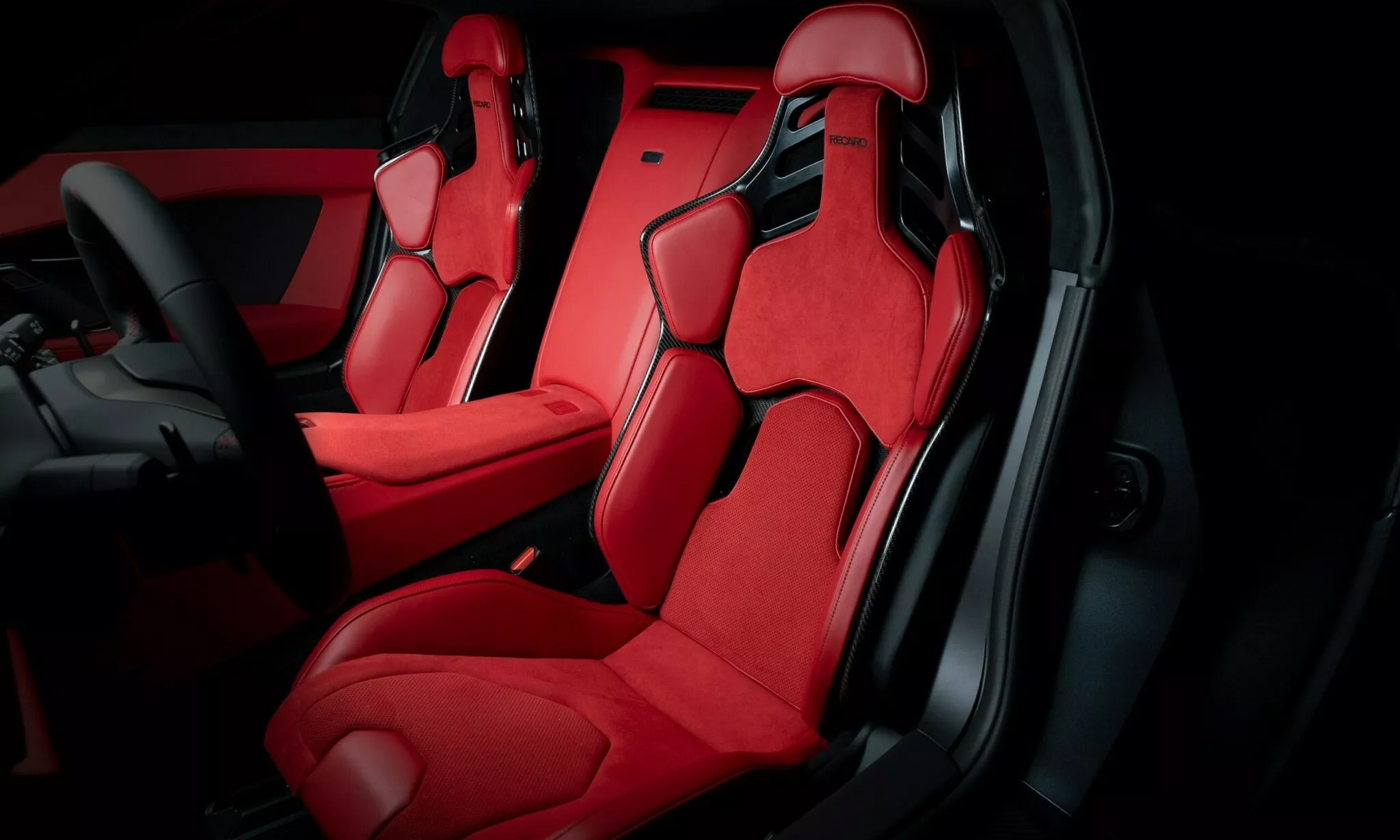 |
It features a dominant red and black color scheme, with carbon-frame seats upholstered in leather and Alcantara.
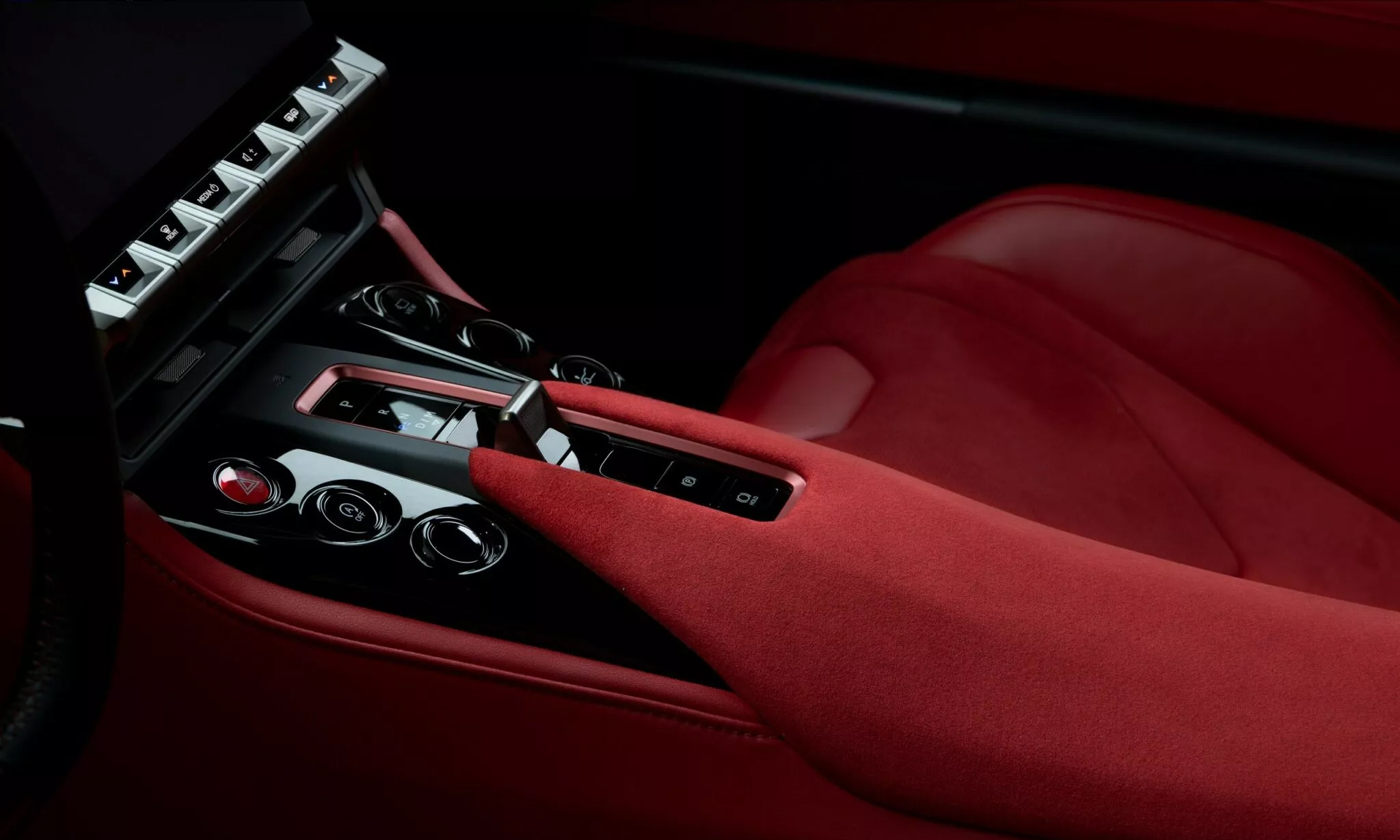 |
The interior compartment is completely distinct from other Toyota sports cars.
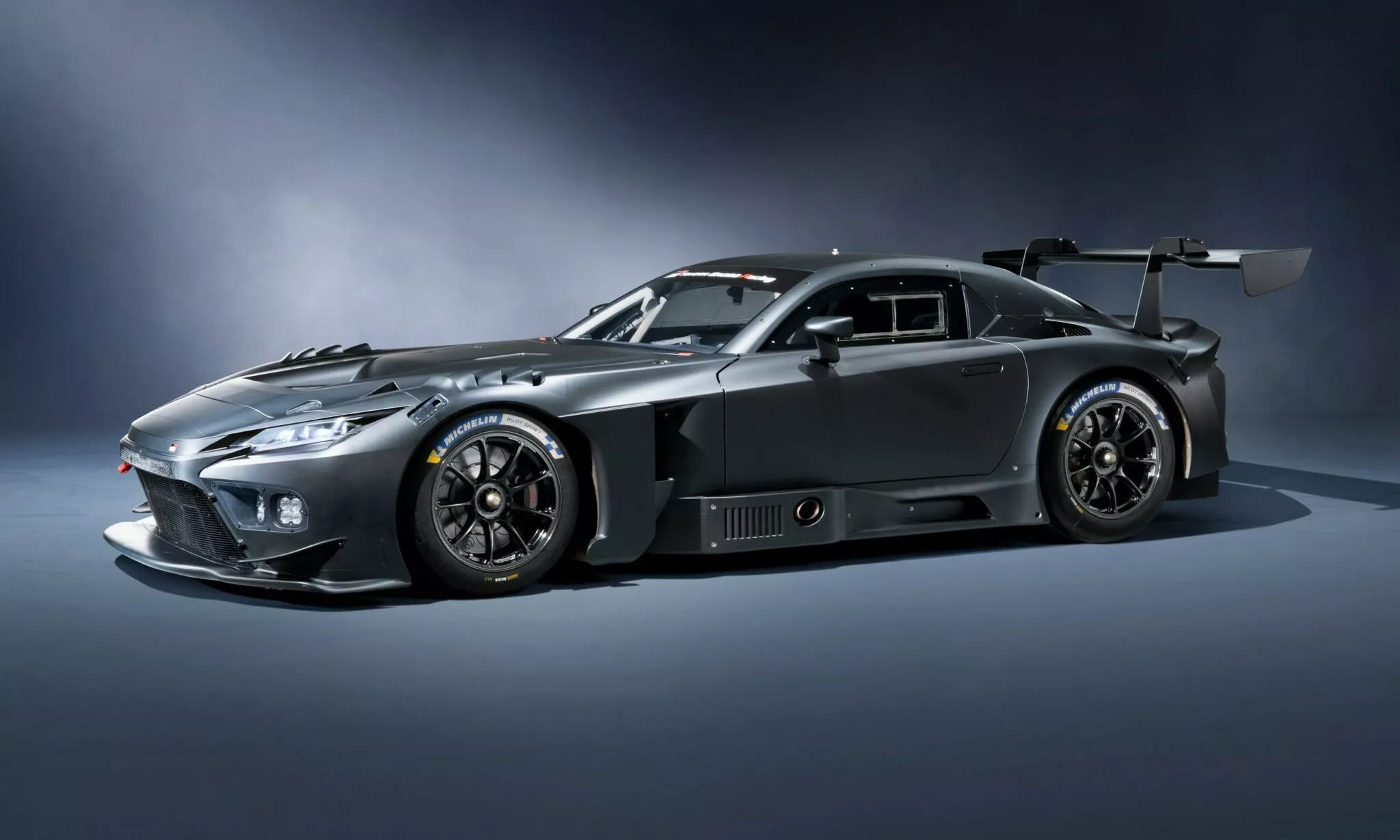 |
The GT3 race version.
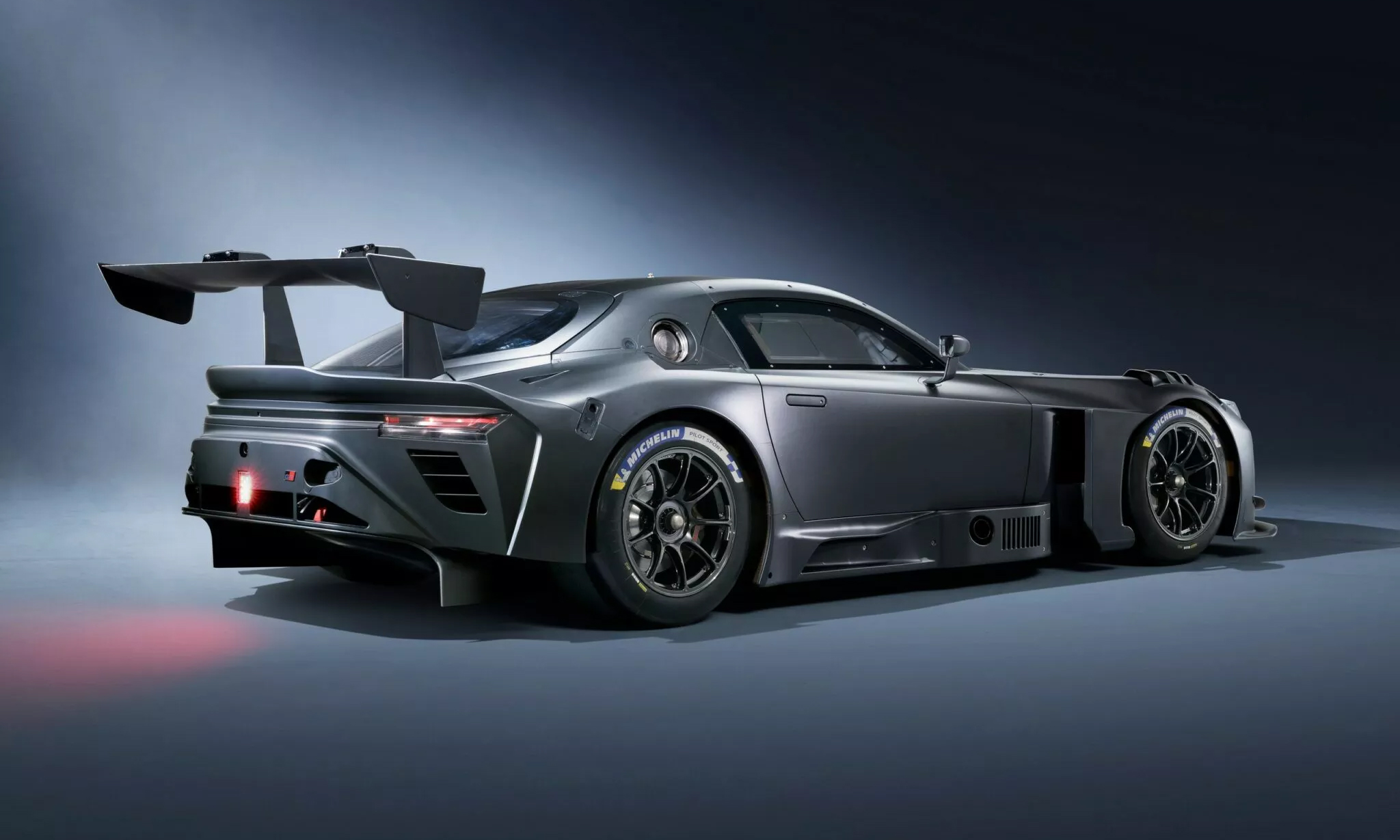 |
A large rear wing is characteristic of high-performance vehicles.
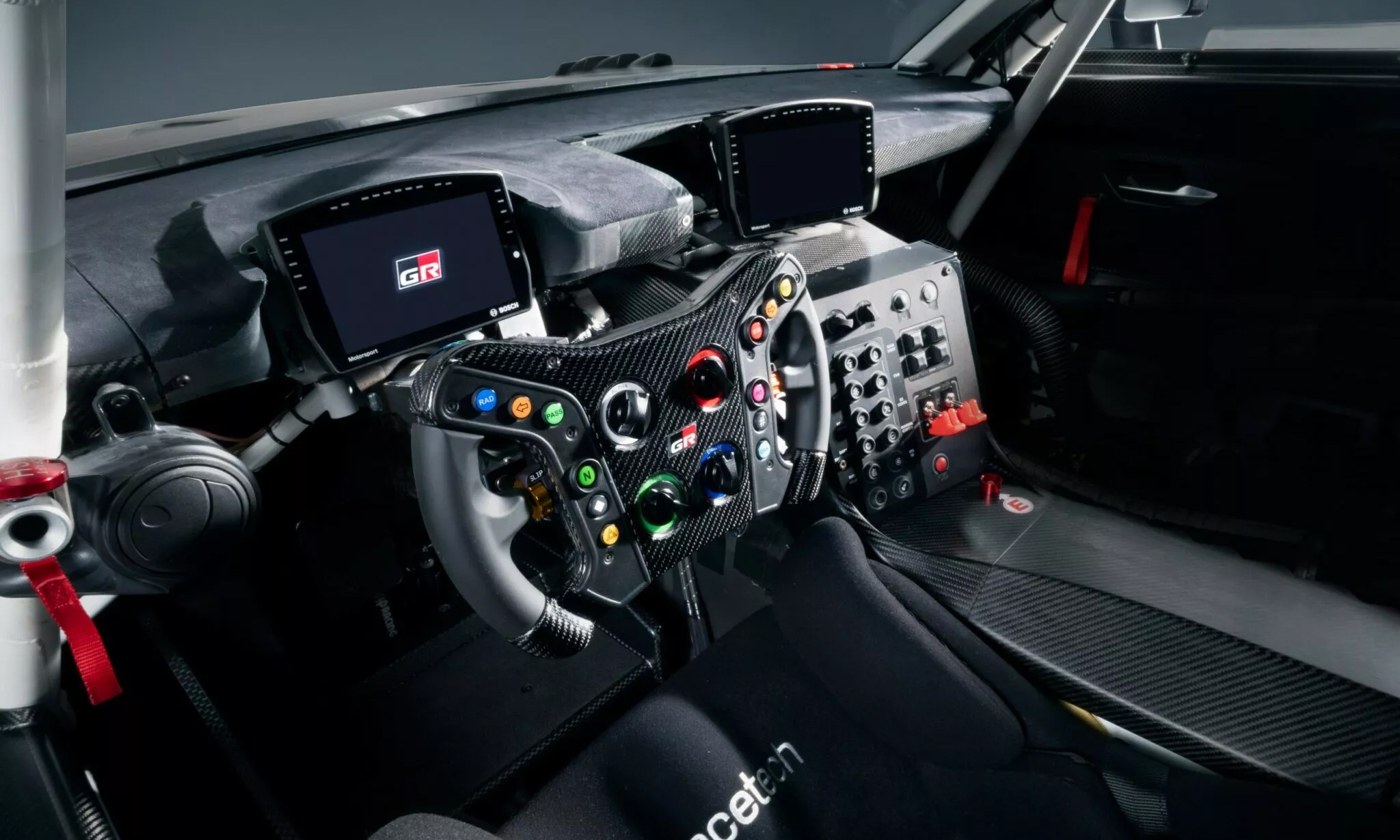 |
A racing-style steering wheel.
The engine incorporates a dry-sump lubrication system and a thinner oil pan, highlighting its race-oriented design. Additionally, the engine integrates mild-hybrid technology, with power delivered via a new 8-speed automatic transmission and a rear-wheel drive system paired with a limited-slip differential.
Toyota has not disclosed the exact power output as the engine is still under development, but engineers are targeting 641 horsepower and 850 Nm of torque. However, the hybrid system will only appear in the commercial version, while the GT3 variant will not be equipped with it. The GR GT is expected to have a top speed exceeding 320 km/h.
The GR GT is also Toyota's first model to feature an all-aluminum chassis. Its main structure utilizes larger cast components for increased body rigidity, while new aluminum alloys and joining techniques contribute to a lighter vehicle. The body combines aluminum panels and carbon fiber, ensuring both light weight and high durability.
Both the front and rear suspension systems employ double-wishbone designs with aluminum control arms. Toyota states that the suspension is engineered for linear response and high control. These components may be shared with the GT3 version, suggesting that the commercial version's durability and performance capabilities will be similar to those of the track variant.
Visually, the GR GT boasts an aggressive design, characterized by a low stance, a long hood, sharp headlights, and hood vents for engine heat dissipation. The body features air outlets and side skirts with small channels designed to direct airflow for cooling the rear brakes. The rear is short but aerodynamically designed, with a full-width taillight strip and a symmetrical dual exhaust system.
The car is equipped with Brembo carbon brake discs and Michelin Pilot Sport Cup 2 tires specifically developed for the GR GT. Toyota explains that the vehicle's development was conducted using the company's simulation systems, alongside testing on the Fuji Speedway (Japan), Nurburgring (Germany), and other tracks. This allowed professional drivers to fine-tune the car for optimal performance.
The interior compartment differs significantly from other Toyota sports cars, featuring a dominant red and black color scheme and carbon-frame seats upholstered in leather and Alcantara. A digital instrument cluster behind the steering wheel offers a unique interface, complemented by a new GR steering wheel with paddle shifters and a large central infotainment screen. The driver's position prioritizes track-focused ergonomics, including excellent external visibility and controls placed close to the driver. Consequently, the car retains physical buttons for quick access to driver assistance features around the gear selector.
Toyota indicates that both the GR GT and GR GT3 models are still in the development phase, meaning final specifications may change before production. The company has not yet announced pricing but anticipates deliveries to customers in 2027.
Minh Quan (according to Carscoops)