Japanese automakers have never before brought so many vehicles manufactured abroad back into their domestic market. The reason behind this trend is clear: low labor costs in countries like India and Thailand offer a significant advantage, compelling automakers to prioritize economic efficiency.
In the first six months of this year, Japanese automakers imported 72,330 vehicles from abroad, a 38% increase compared to the same period in 2025. Nearly half of these were Suzuki vehicles, totaling 34,288 units, an increase of 91%. This achievement allowed Suzuki to surpass Mercedes and become Japan's best-selling imported car brand in the first half of the year.
 |
Modified Suzuki Jimny models (red and green cars) on the streets of Japan. Photo: *Gekkeiju* |
A key model driving this growth is the Suzuki Jimny Nomade. Suzuki produces the four-door Jimny variant at a factory in India, then exports it to Japan and other markets. The Nomade is the first Jimny model to feature rear doors, significantly expanding its customer base. Sales reached 26,682 units in the first six months of the year, according to *Nikkei Asia*.
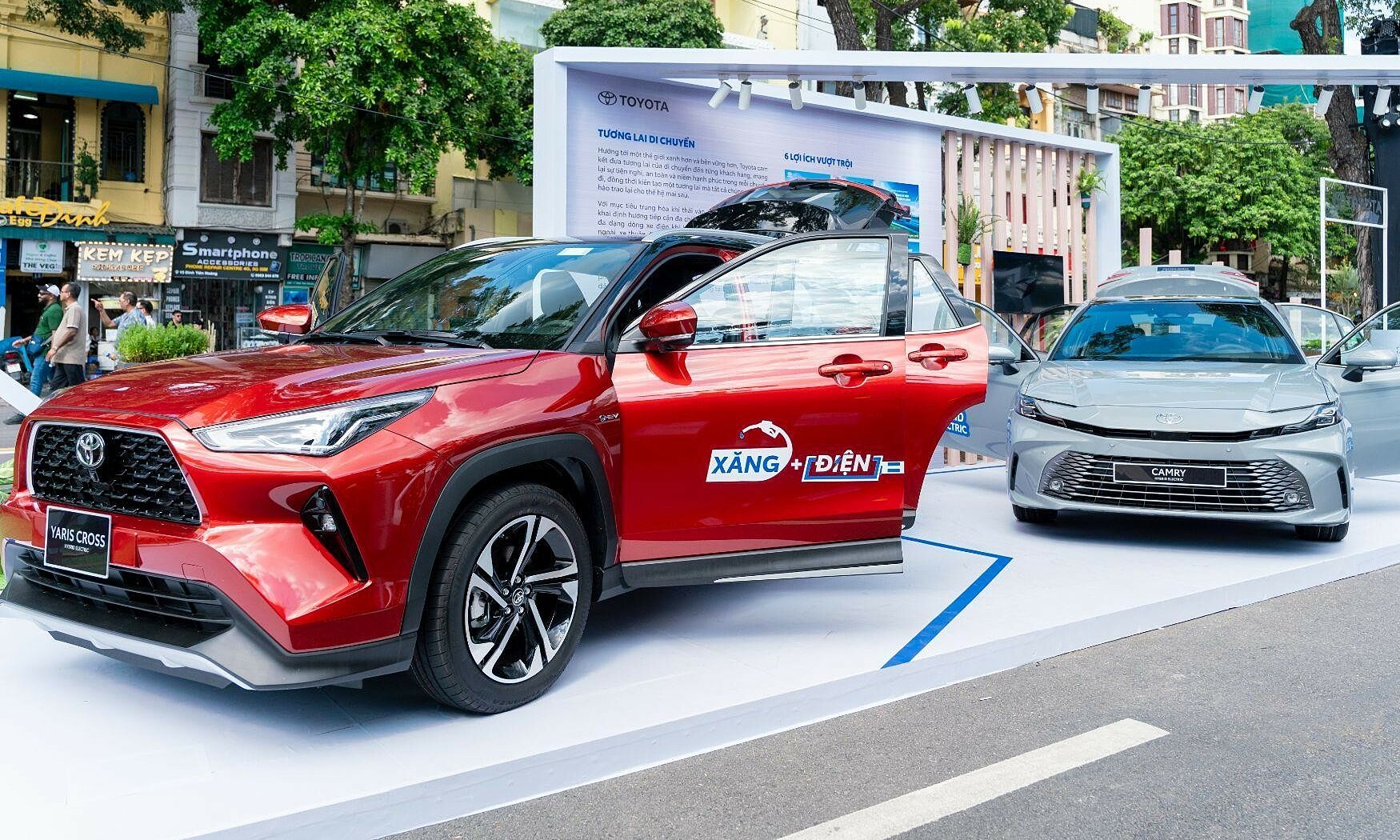
Suzuki is not the only automaker optimizing production costs through imports. Toyota imported 15,977 vehicles into Japan over the past six months. High demand for the Hilux pickup, assembled in Thailand, primarily drives this increase. Additionally, Toyota has also started importing the Land Cruiser FJ model, produced in Thailand, into the domestic market.
Monthly wages in India and Japan explain why companies like Suzuki are driving such a strong wave of reverse imports. In India, a full-time production line worker earns approximately 37,073 rupees (388 USD) per month. In contrast, an equivalent automotive assembly worker in Japan earns an average of about 316,000 yen (approximately 1,900 USD).
Beyond cost factors, Suzuki also believes that "manufacturing technology in India is competing equally with Japan, having even caught up and in some cases, surpassed it", stated Takamitsu Sasaki, Chief Engineer for the Jimny Nomade line.
Contrary to the acceleration seen with Toyota and Suzuki, some domestic competitors are observing the opposite trend. Honda's sales of the India-produced WR-V model declined, causing the company's total imported vehicle volume to drop by 32% to 14,937 units. The recent launch of the CR-V Hybrid, imported from Thailand, was not enough to offset this shortfall. Meanwhile, Mazda recorded a 20% decrease in reverse imports to Japan, totaling 3,309 units.
My Anh