 |
Amidst the growing trend in technology, especially concerning the safety platforms of premium vehicles, VnExpress spoke with Dayong Zhou, Head of Safety Technology at Geely Auto Group. The discussion focused on how an automotive company researches, develops, and applies safety technology across its global models. Additionally, Zhou shared the strategy for providing users with "equal access" to safety technologies in Lynk & Co vehicles.
Lynk & Co, a premium automotive brand of Geely Group, was established in 2016 through a collaboration between Geely Auto and Volvo Cars, which is also owned by Geely.
- Lynk & Co is a relatively young brand in the global automotive industry. How has the company built its foundation in safety and ensured driver safety?
- Lynk & Co is a very young brand, but in the field of safety and safety technology, we possess, inherit, and receive strong support from major brands within the group. This stems from two key aspects.
First is the chassis platform architecture. The entire current Lynk & Co product range is developed based on Volvo Cars' compact modular architecture (CMA), co-developed by Geely Auto and Volvo Cars. Over 2,000 engineers from more than 20 countries collaborated on its research and development for over three years at Geely Auto's European R&D Center (GTEU).
The CMA platform offers three advantages: high standards, high flexibility, and high universality, aiming for new benchmarks in the global automobile manufacturing industry. For instance, critical areas in the body structure utilize boron steel rated at 1,600 MPa, increasing crash energy absorption by up to 30% compared to traditional platforms. This architectural foundation provided Lynk & Co with a strong starting point from its inception.
Second, Lynk & Co inherits Volvo's core "safety first" DNA. It also expands this philosophy to be a segment pioneer, incorporating global safety standards and leading electronic, electrification, and new energy technologies from China.
 |
Dayong Zhou, Head of Safety Technology, Geely Auto Group. Photo: Lynk & Co
- As the automotive industry shifts towards smart vehicles, how does Lynk & Co define safety?
- In the rapidly evolving era of smart vehicles, Lynk & Co models have upgraded from traditional safety capabilities to a comprehensive "all-domain safety" system. This system covers various driving scenarios throughout the vehicle's entire lifespan.
The safety concept in Lynk & Co models does not merely meet passive tests or fine-tune to pass traditional trials. Instead, the company conducts in-depth research into every type of accident scenario encountered in real-world use. The core philosophy is to shift the safety mindset: from "not fearing collisions" to "actively assisting drivers in avoiding collisions." We aim to provide users with equal access to safety technologies in every position within the vehicle, moving beyond the concept of "standard safety equipment."
- In automotive safety technology, how is the "human-centric" philosophy technically implemented?
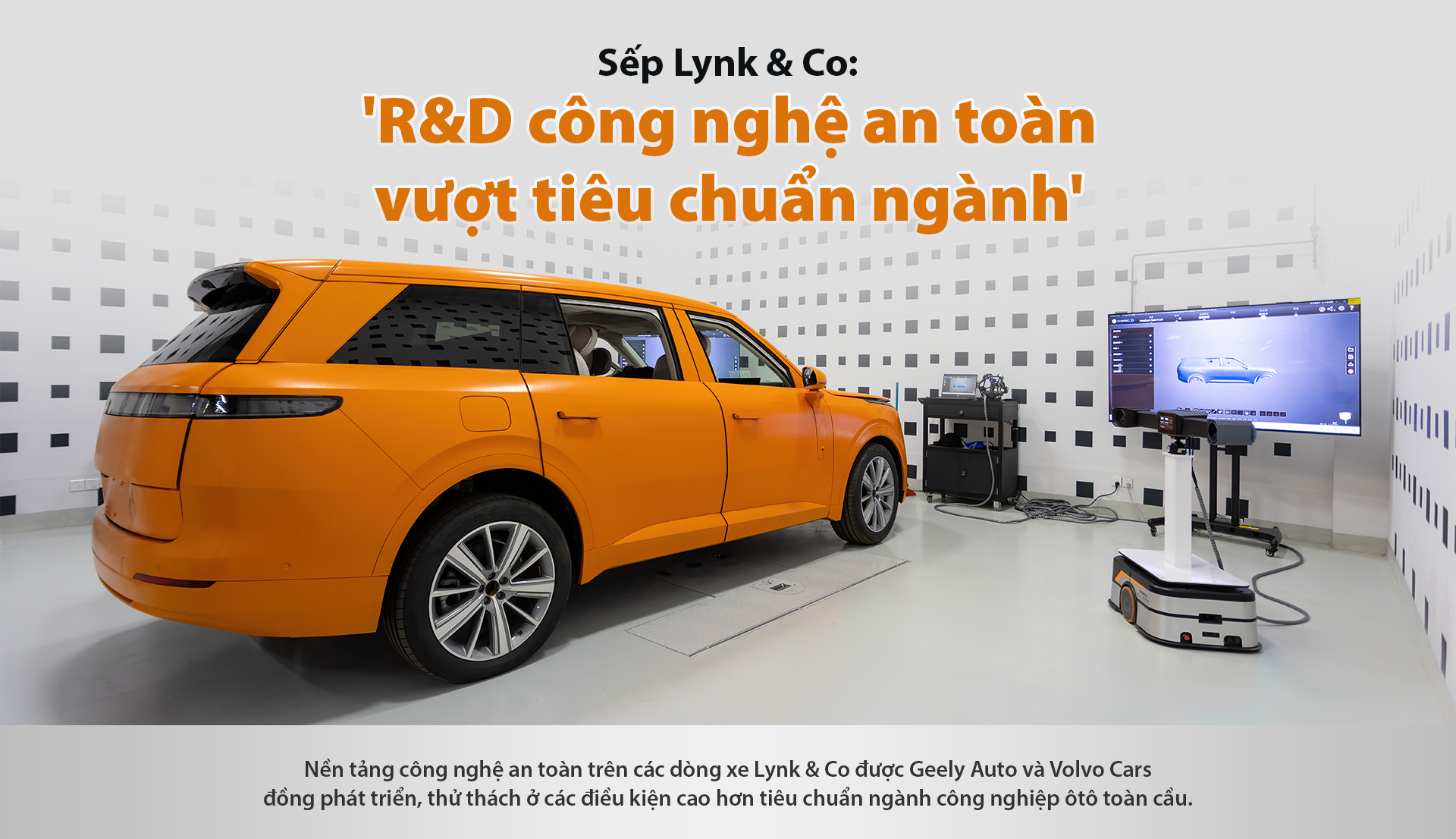
During the research and development phase, from the very beginning of product development, Lynk & Co models undergo multiple rounds of crash tests that exceed standard requirements under various operating conditions. We design test scenarios that go beyond the traditional scope of the automotive industry, subjecting vehicles to more stringent conditions to challenge their limits.
For example, with the Lynk & Co 09, we conducted a series of tests involving frontal, rear, side, and continuous rollover impacts. On the same Lynk & Co 09, we tested rear impacts at a speed of 85 km/h, whereas the standards in China are 50 km/h and globally 80 km/h.
For the rollover simulation test, the highest industry standard is 48,3 km/h, while we tested the Lynk & Co 09 at speeds up to 60 km/h. Inside the vehicle, five test dummies and a data collection system for research were arranged. The Lynk & Co 09 achieved an overall excellent rating, receiving certification number 001 for "post-rear impact rollover performance at level A."
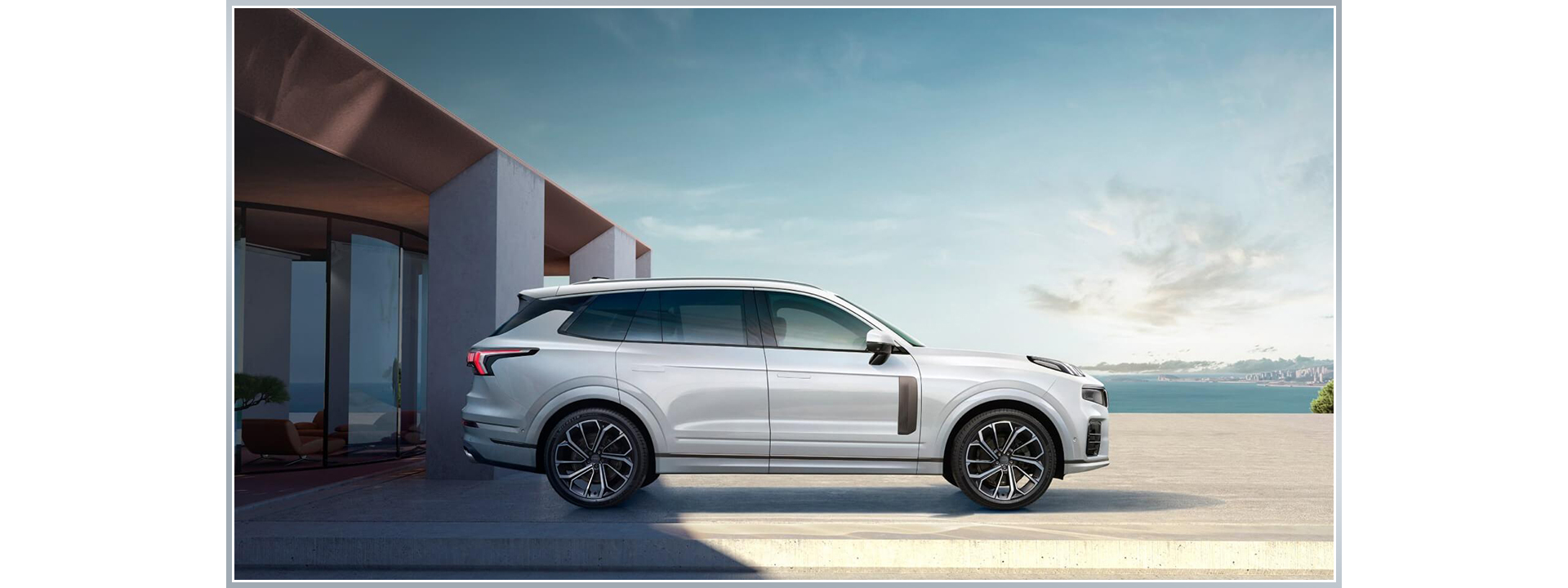 |
The large SUV Lynk & Co 01. Photo: Lynk & Co
- How does this philosophy differ from the safety methods adopted by traditional automotive companies?
- Regarding testing standards, Lynk & Co proactively challenges operating conditions that exceed legal industry requirements. The company employs a cage-type protective body structure. For instance, the Lynk & Co 900 uses monolithic double doors capable of withstanding forces up to 2,000 MPa, passing a 100 km/h dual impact test from the side and rear.
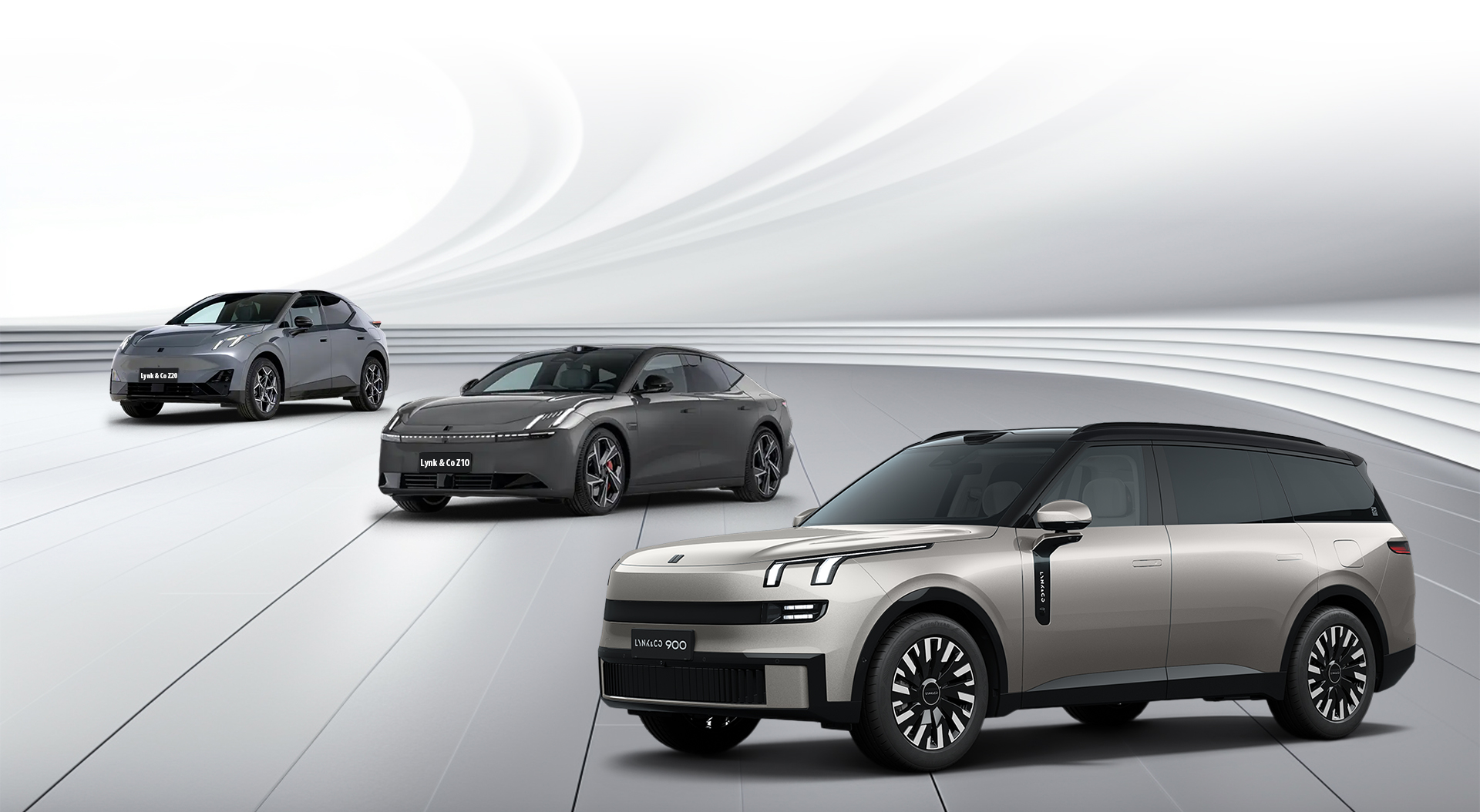
For the advanced driver-assistance systems (ADAS) equipped on the Lynk & Co Z10, Lynk & Co Z20, and Lynk & Co 900, we conducted simulations and verified performance with real vehicles at Geely Group's Comprehensive Automotive Safety Center. These tests demonstrate a very high level of active safety performance. For example, the lane keeping assist and automatic emergency braking systems are stable in many extreme situations.
Regarding battery safety, for example, models built on the Lynk & Co 10 EM-P architecture have undergone tests for battery penetration and extreme compression to ensure battery safety in various crash and high-temperature environments.
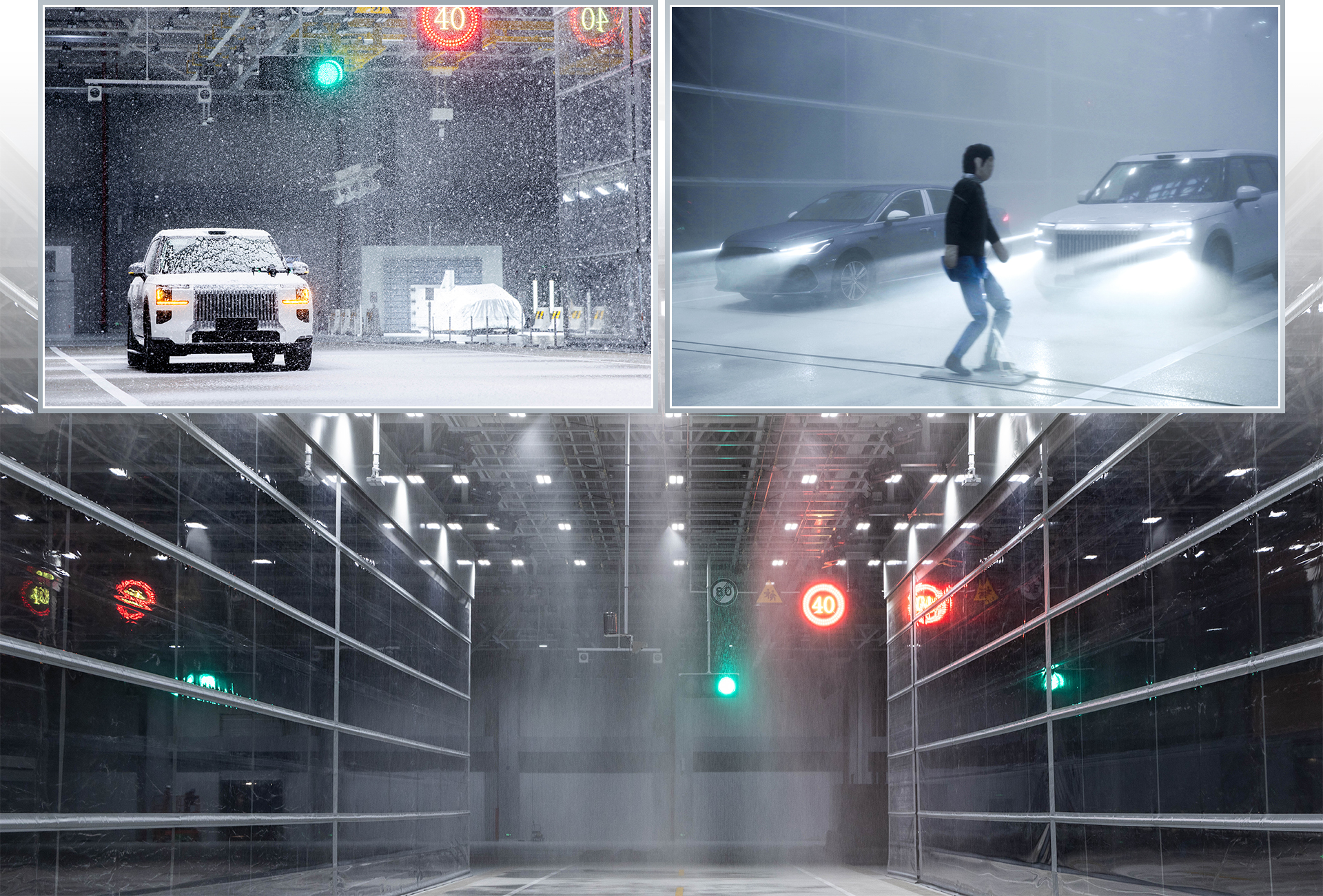 |
The testing process for Lynk & Co models is developed across diverse scenarios to ensure safety in real-world operation. Photo: Lynk & Co
- In recent years, ADAS seems to overshadow traditional safety concepts like chassis platforms. How has Lynk & Co balanced passive and active safety concepts?
- Active safety and passive safety are not a matter of one replacing the other, but rather a relationship of coordination and mutual reinforcement in various driving situations. Active safety is the first line of defense, using technological solutions to reduce the probability of accidents. Meanwhile, passive safety is the last line of defense once an accident has occurred. In our view, these are two indispensable elements in today's automobiles.
In terms of passive safety, Lynk & Co remains committed to perfecting core foundations. This is evident in the safe cage-type body design, strategic placement of high-strength steel and hot-stamped steel, ensuring the integrity of the passenger compartment in diverse situations.
For active safety, we continuously increase investment in technology through resources from Geely Group and Zeekr Technology. For instance, every Lynk & Co 900 features the latest G-ASD safe driving assistance system, utilizing 29 intelligent sensors to create a multi-dimensional recognition matrix. Lynk & Co consistently applies strict standards to both active and passive safety. As we often say, active safety is "preventing risks before they occur," while passive safety is "protecting lives in dangerous situations." The combination of these two elements creates the "all-domain safety" concept.
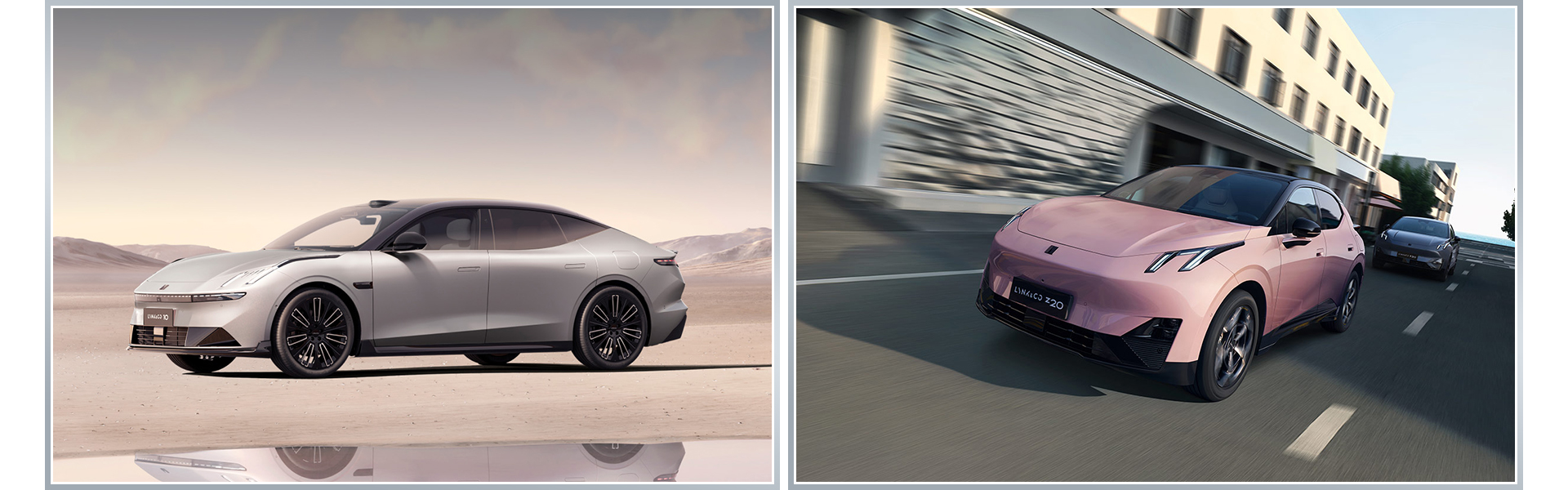 |
The new generation Lynk & Co 10 and the pure electric crossover Z20 in an overseas market. Photo: Lynk & Co
- How was the Lynk & Co 06, the brand's smallest model in Vietnam, researched and developed concerning safety technology, especially its chassis platform?
- Like other Lynk & Co models, the 06 utilizes a cage-type safe frame design, combined with a dual-box energy-absorbing frame on both sides. This design helps the vehicle efficiently absorb and disperse crash energy, minimizing external force impact on the passenger compartment.
Regarding materials, the Lynk & Co 06 chassis platform achieves a high-strength steel ratio of 63,4%, meaning over 60% of critical body areas are constructed from high-strength steel. Within this, the proportion of hot-stamped steel reaches 15,76%, placing it among the leaders in its segment. During development, we process this type of steel using a special procedure, resulting in very high tensile strength, allowing it to maintain its shape in severe collisions.
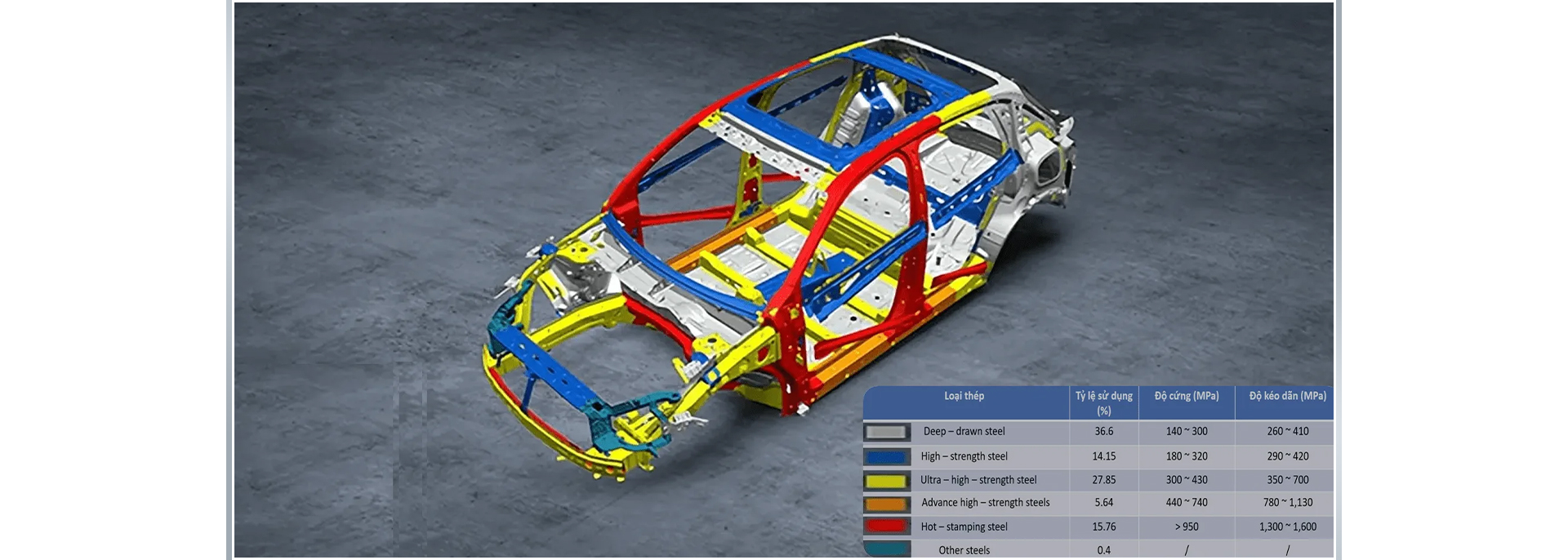 |
The chassis platform design of the Lynk & Co 06 includes many areas with high-strength steel. Photo: Lynk & Co
- Are there differences in safety design and frame structure among Lynk & Co models? For example, in the proportion of boron steel or ultra-high-strength steel?
- Lynk & Co consistently adheres to the philosophy: "Safety is standard equipment, not a privileged option." Therefore, we maintain high and consistent safety standards across all models.
However, depending on the segment, body size, and customer needs, specific designs regarding body material configuration and high-strength steel grades will differ. In terms of the proportion of high-strength and ultra-high-strength steel, most Lynk & Co models exceed the average industry and segment standards.
- Which international safety certifications have Lynk & Co models in Vietnam achieved?
- Lynk & Co has established a comprehensive safety certification system, with many models achieving the highest ratings in prestigious crash tests in China and Europe. The Lynk & Co 01, for instance, laid the foundation for the brand's safety reputation by earning the highest 5-star Euro NCAP safety certification in 2021. Subsequently, the Lynk & Co 08 EM-P also achieved a similar certification in 2025.
With the Lynk & Co 09, we aimed for the vehicle to surpass ordinary safety standards. In July 2022, the car passed a rear-impact test followed by multiple rollovers at the China Automotive Technology and Research Center (CATARC), becoming the first model to hold the "Level A Post-Rear Impact Rollover Safety Performance" certification.
In 2025, the Lynk & Co 02 (Z20) further joined the list of models achieving 5-star certification from Euro NCAP. Meanwhile, the Lynk & Co 900 set new benchmarks in the 2025 C-IASI vehicle evaluation program, achieving the highest Excellent+ (G+) rating in all categories: occupant protection, pedestrian protection, active safety assistance systems, and more. These models represent Lynk & Co's "safety as standard equipment" philosophy.
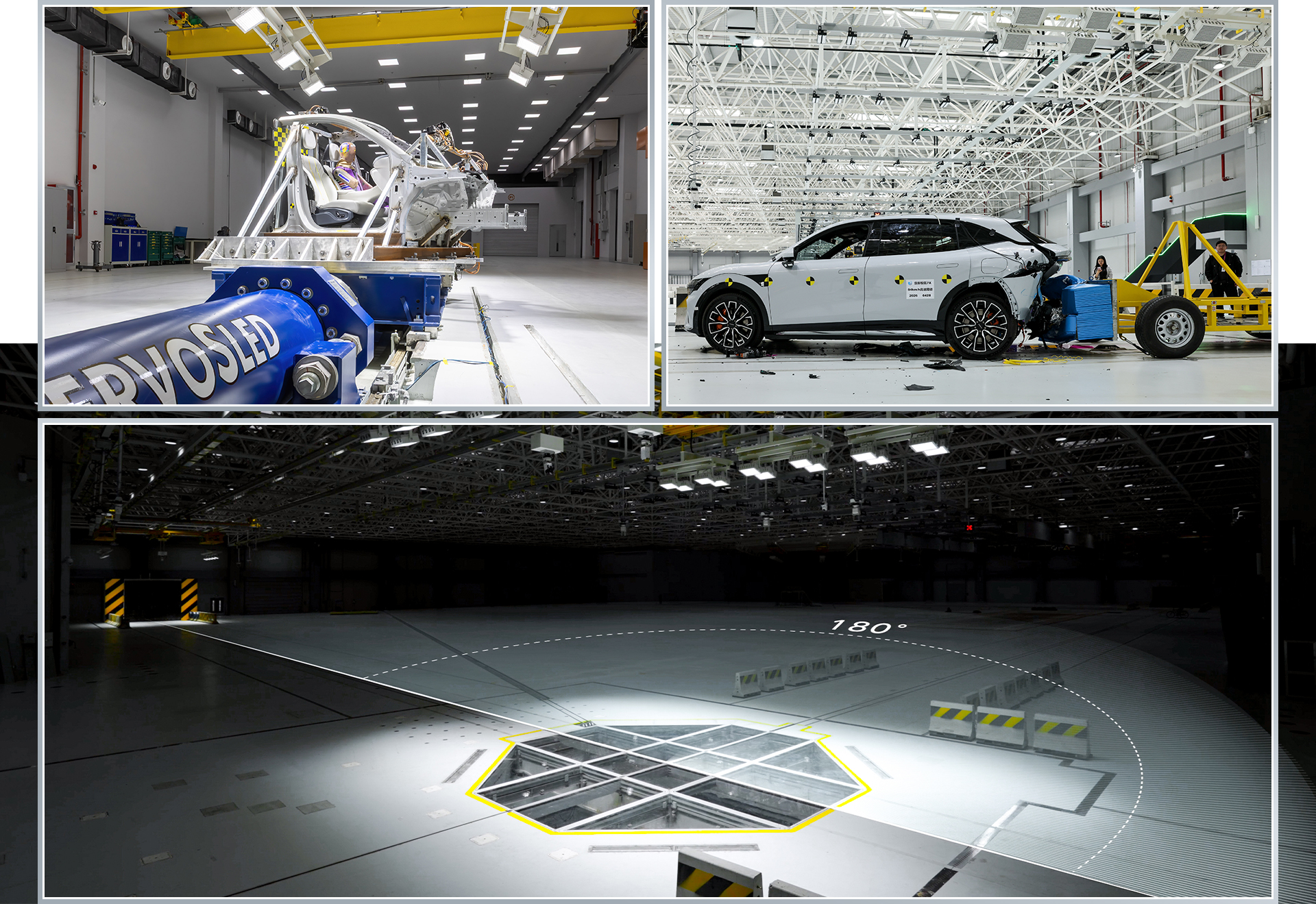 |
Lynk & Co models undergo rigorous testing at the center before commercial launch. Photo: Lynk & Co
- In your opinion, how will the concept of automotive safety and safety technology change in the next 10 years?
- In the coming decade, the automotive industry will transform from "passive protection" to "active prevention." Smart driving assistance systems will become more advanced and widespread, combining sensors with AI prediction to aim for zero collisions, rather than merely protecting occupants after an accident has occurred.
The philosophy of automotive safety will no longer be limited to tests by organizations, which I consider "exam-style safety." Instead, it will shift towards a comprehensive safety concept, encompassing all complex accident situations in reality. It will no longer include only physical protection but will expand to new energy safety, digital security, and safety in public transportation spaces at various levels.
The scope of protection will also extend beyond vehicle occupants to ensure the safety of surrounding road users, such as cyclists, motorcyclists, or pedestrians.
 |
Dayong Zhou, Head of Safety Technology, Geely Auto Group. Photo: Lynk & Co
- Do new energy vehicles pose new safety challenges? Specifically, what about Lynk & Co models?
- New energy vehicles introduce two entirely new core challenges.
First is battery safety. For instance, the battery pack of the Lynk & Co 08 EM-P has undergone over 100 rigorous tests, including impact, fire, penetration, and crushing. We utilize aerospace-grade aluminum alloy for the body, combined with boron steel in a honeycomb-shaped impact absorption structure. This is paired with steel materials of a grade equipped for submarines and a multi-point fixed structure to create a three-dimensional protective layer for the battery pack. In the event of a collision, the system can cut off high voltage power in just 50 milliseconds, effectively eliminating the possibility of short circuits and thermal runaway.
The second challenge lies in the hybrid powertrain system, which demands a higher degree of compatibility between vehicle structures in various collision scenarios. We have demonstrated this factor through the extreme testing limits on the Lynk & Co 900.
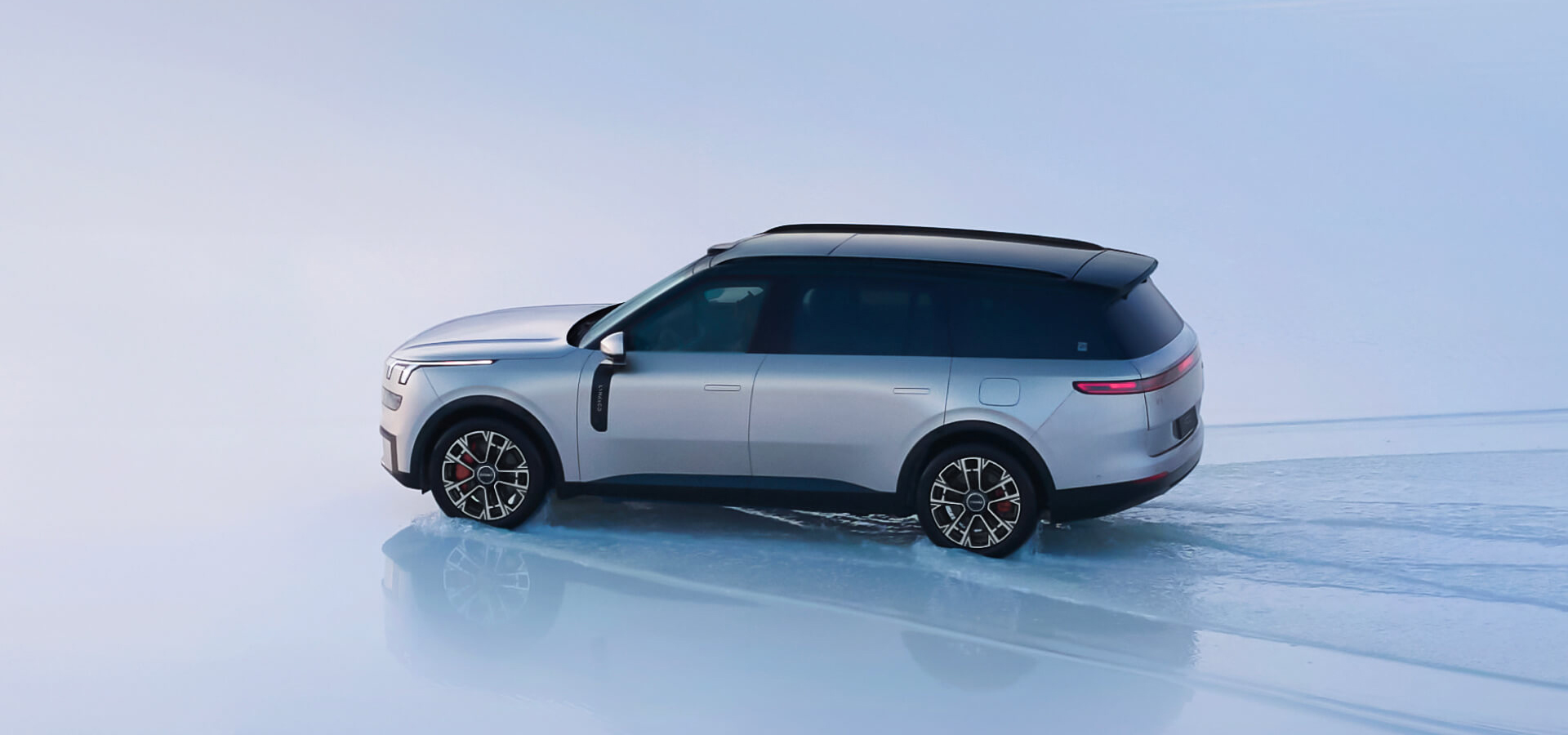 |
The premium SUV Lynk & Co is set to launch in the Vietnamese market. Photo: Lynk & Co
- If you had to choose one model that best represents Lynk & Co's pride in safety technology, which would it be and why?
- The Lynk & Co 900 is the flagship model that most clearly demonstrates the brand's comprehensive strength in safety.
We challenged this premium SUV with a head-on collision at a relative speed of 100 km/h, broadcasting the entire process live on television. Two test vehicles collided at individual speeds of 70 km/h and 30 km/h, resulting in a relative velocity of 100 km/h. After the test, the passenger compartment maintained its structural integrity, the A-pillar showed no deformation, the doors opened normally, and the battery pack exhibited no leakage, smoke, fire, or explosion.
The Lynk & Co 900 also passed a rear-impact test at 100 km/h, exceeding the 50 km/h standard in China and 80 km/h in the US. The passenger compartment retained its structure, even in the third-row seating area.
Regarding active safety, the Lynk & Co 900 features 29 high-precision sensors, including LiDAR and the G-ASD H7 platform. We also introduced the industry's first "mother and baby cabin" concept, utilizing interior materials free of asphalt derivatives, mixed cotton, and harmful solvents, aiming for "safety in every breath."
In 2026, the Lynk & Co 900 achieved the highest Excellent+ (G+) rating in all three C-IASI categories, becoming the most compelling proof of its philosophy: "Safety is standard, not an option."
 |
Content: Quang Anh - Design: Thai Hung