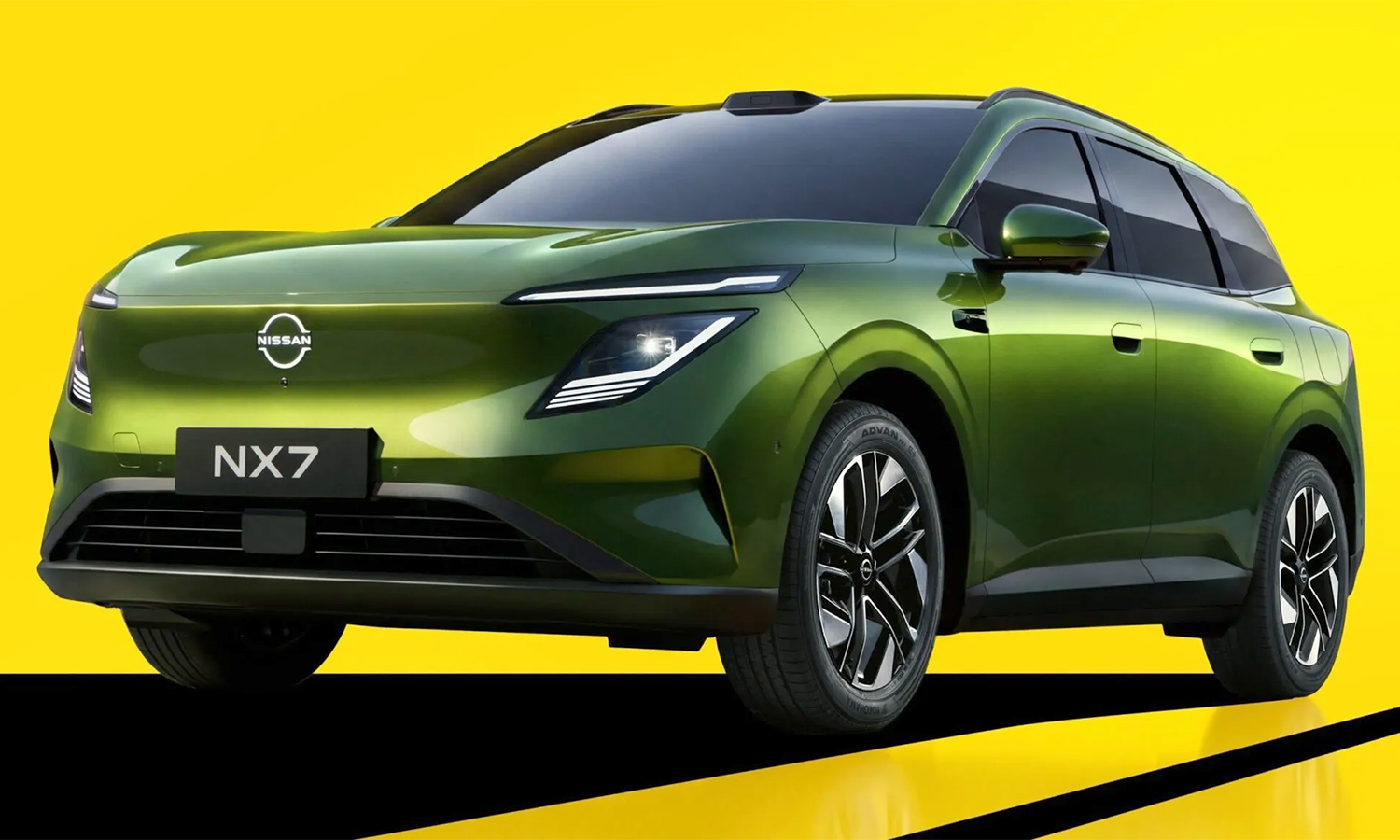
Amid a complex global automotive market and intense competition from emerging automakers, Nissan has set an ambitious goal to reduce its product launch time. Speaking at a recent event at the company's headquarters, Kazuyuki Yamaguchi, Nissan's Chief Operating Officer, stressed that without accelerating product development, the company's survival would be jeopardized.
Restructuring internal processes
Through a series of significant operational changes, Nissan reports it has cut the development time for entirely new models from 50 months to 37 months. For derivative models, this period is now 30 months, which is 40% faster than before.
To achieve this, Nissan had to change its product development mindset. According to Yamaguchi, in the past, development teams often spent extensive time pursuing every aspect. Now, the company prioritizes focusing on core features and elements that create distinct value for the product.
Furthermore, instead of creating multiple design options for the same model and spending time choosing, Nissan now applies a method of grouping vehicles into families. Models within the same family will share common technical specifications, significantly accelerating the design and production process.
Leveraging technology and reforming management structure
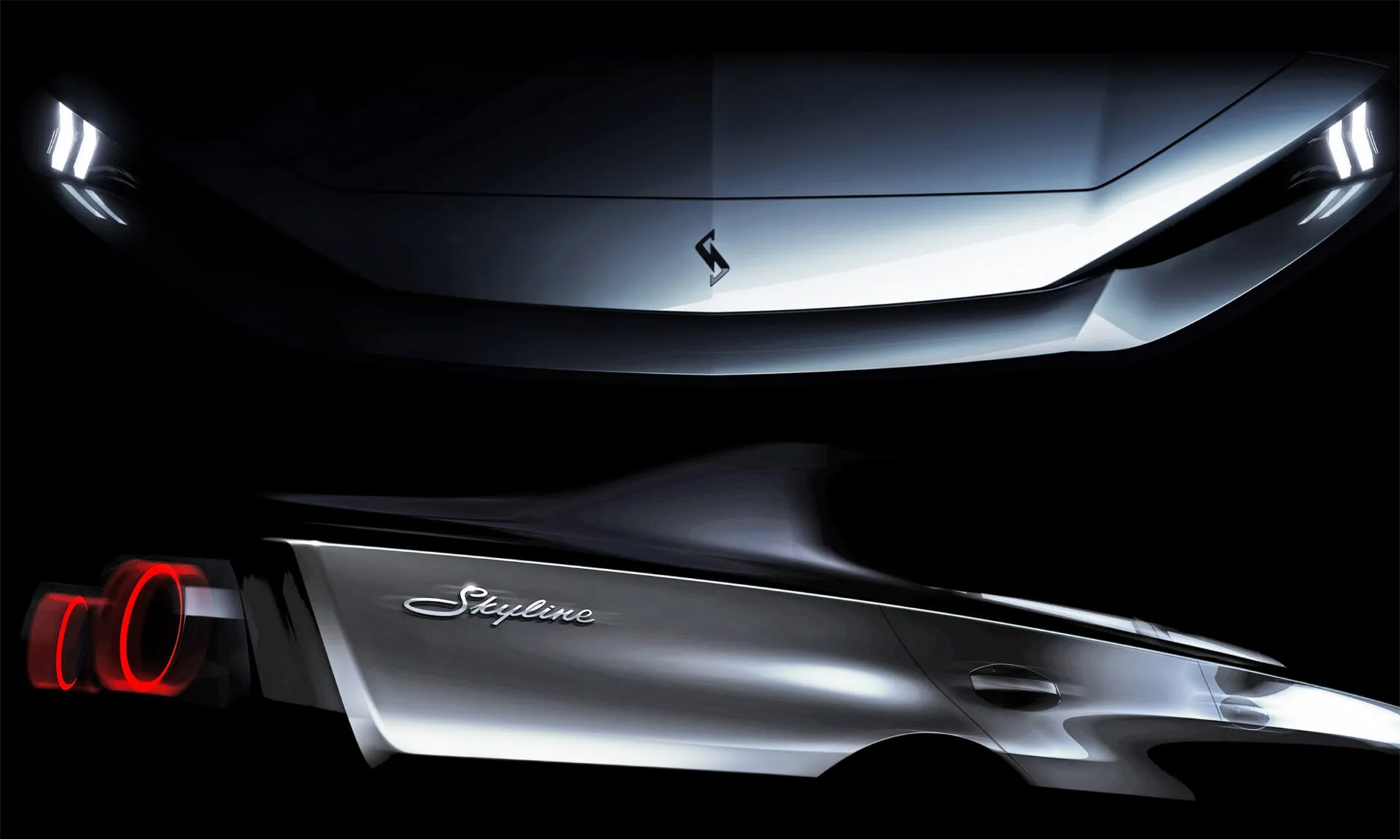 |
New generation Nissan Skyline design revealed. Photo: Nissan
Technology plays a crucial role in Nissan's new strategy. The Japanese automaker is increasing its use of artificial intelligence (AI)-based simulations and testing, digital twin engineering, and virtual reality. This process allows engineers to examine and evaluate vehicles in a virtual environment before physical prototype production, significantly saving time and costs. Additionally, advanced autonomous driving features enable continuous vehicle testing at night.
Regarding organizational structure, Nissan is also eliminating redundancy in its project management system. Previously, each new vehicle project had separate program directors, product planning managers, and chief engineers, which risked disagreements and caused delays. Now, the program director holds the highest leadership role, bearing primary responsibility, while the chief engineer ensures the vehicle meets its defined objectives.
The cultural gap in work practices
Although Nissan has made remarkable progress, exemplified by developing the entirely new Skyline model in just 26 months, the company still cannot match its Chinese competitors. Manufacturers in this populous nation can currently develop a new vehicle in approximately 18 to 24 months.
Yamaguchi explained that part of the reason lies in differing work cultures. While companies in China can maintain 24-hour production and development operations daily, this is not feasible in Japan due to distinct regulations and labor culture. Nevertheless, Nissan's efforts demonstrate its strong commitment to adapting and competing in the new era of the automotive industry.
Minh Vu (via Carscoops)