In Thailand, it is common to see songthaew vehicles, a term for passenger transport modified from pickup trucks, navigating the streets of tourist cities like Chiang Mai or Pattaya. Songthaew operate as affordable mini-buses, featuring two rows of seats in the truck bed with a simple canopy, serving the daily commuting needs of locals and tourists.
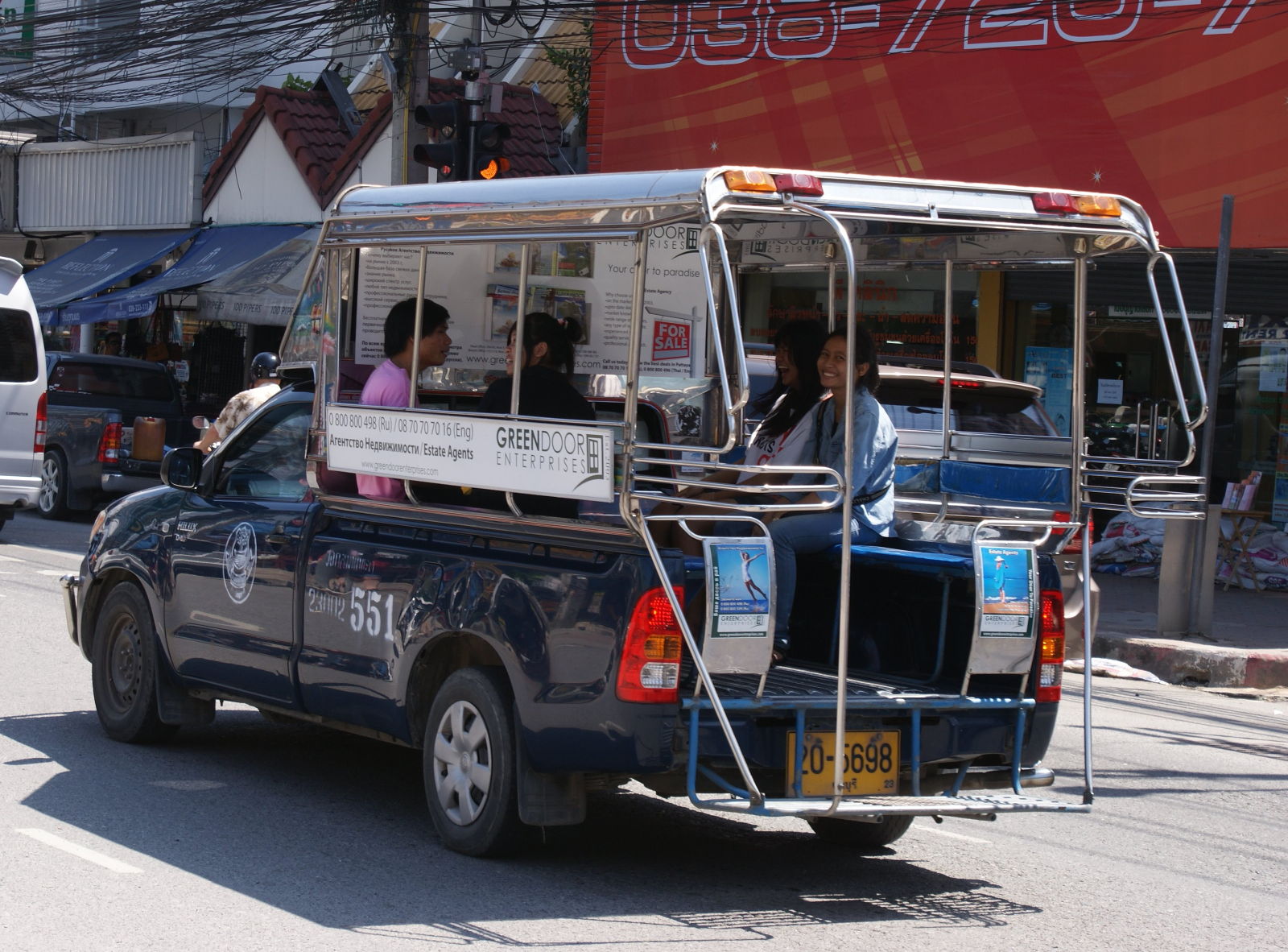 |
Songthaew in Pattaya. Photo: Gotravelthailand |
Songthaew are just one of many variations of pickup trucks in Thailand. This vehicle type is present in nearly every aspect of daily economic activity. In residential areas, it is not uncommon to find pickup trucks converted into food stalls, mobile grocery stores, or delivery vehicles. In rural areas, they transport agricultural products, construction materials, and even people in their beds.
Pickup trucks are also converted into ambulances or specialized service vehicles. Such modifications are legal if registered for the correct purpose, allowing this vehicle type to serve as a versatile platform for various transport and mobile business operations in daily life.
 |
Pickup truck converted into an ambulance in Thailand. Photo: Carryboyfleetsales |
The flexibility in modification and use has made pickup trucks in Thailand more than just a means of transport. For many households, a pickup truck is not only a vehicle for commuting but also a tool for generating income. From transporting agricultural products to markets and delivering goods to operating mobile businesses, the vehicle becomes a crucial "breadwinner," directly linked to daily livelihoods.
Beyond their role as work and transport vehicles, pickup trucks in Thailand are associated with a thriving customization culture. Many owners choose to lower the chassis, upgrade engines, or modify exteriors to express their individuality, fostering a vibrant community of enthusiasts around pickup trucks.
Why pickup trucks are the 'first car' choice
Unlike many markets where a first car is typically a sedan or hatchback, in Thailand, pickup trucks are a popular choice for many first-time car buyers. According to an analysis by Nikkei Asia, the key factor lies in their versatility. A pickup truck can simultaneously serve family needs and production, especially in an economy where household businesses and small enterprises form a significant proportion.
According to TTB analytics reports, pickup truck sales in Thailand are projected to be around 180,000-185,000 units in 2025, decreasing to 171,000 units in 2026. This represents a significant decline from the 200,000-300,000 units sold in previous years and is much lower than the peak period of 400,000-500,000 units annually. Despite the decline, Reuters states that pickup trucks still account for about 30% of total vehicle sales in this market, maintaining their position as the largest segment. In comparison, Vietnam's pickup segment reached approximately 27,000 units in 2025, accounting for less than 5% of the industry's total sales of over 600,000 units.
Furthermore, Thailand's automotive industry has strategically developed around pickup trucks as one of its pillars, contributing significantly to exports and employment.
As early as the 1970s and 1980s, the Thai government prioritized the development of pickup trucks as a core vehicle type, supporting agriculture and domestic production. Long-standing tax incentives were implemented, with pickup trucks subject to significantly lower excise taxes than passenger cars, only about 3-8%. This made their prices more accessible to the general public. Concurrently, Thailand encouraged foreign automakers to establish manufacturing plants domestically, gradually building a complete supply chain for this vehicle type. This policy aimed to support the agricultural sector, logistics, and small businesses.
Additionally, low operating costs play a crucial role. In Thailand, diesel is a common fuel for transport and its price is often kept low through mechanisms such as stabilization funds and government price caps. This policy makes the operating costs of pickup trucks, which primarily use diesel engines, more economical in the long term. Finally, the sales price of pickup trucks is also an advantage. Localized production reduces vehicle costs, thereby expanding access to cars for middle and lower-income classes.
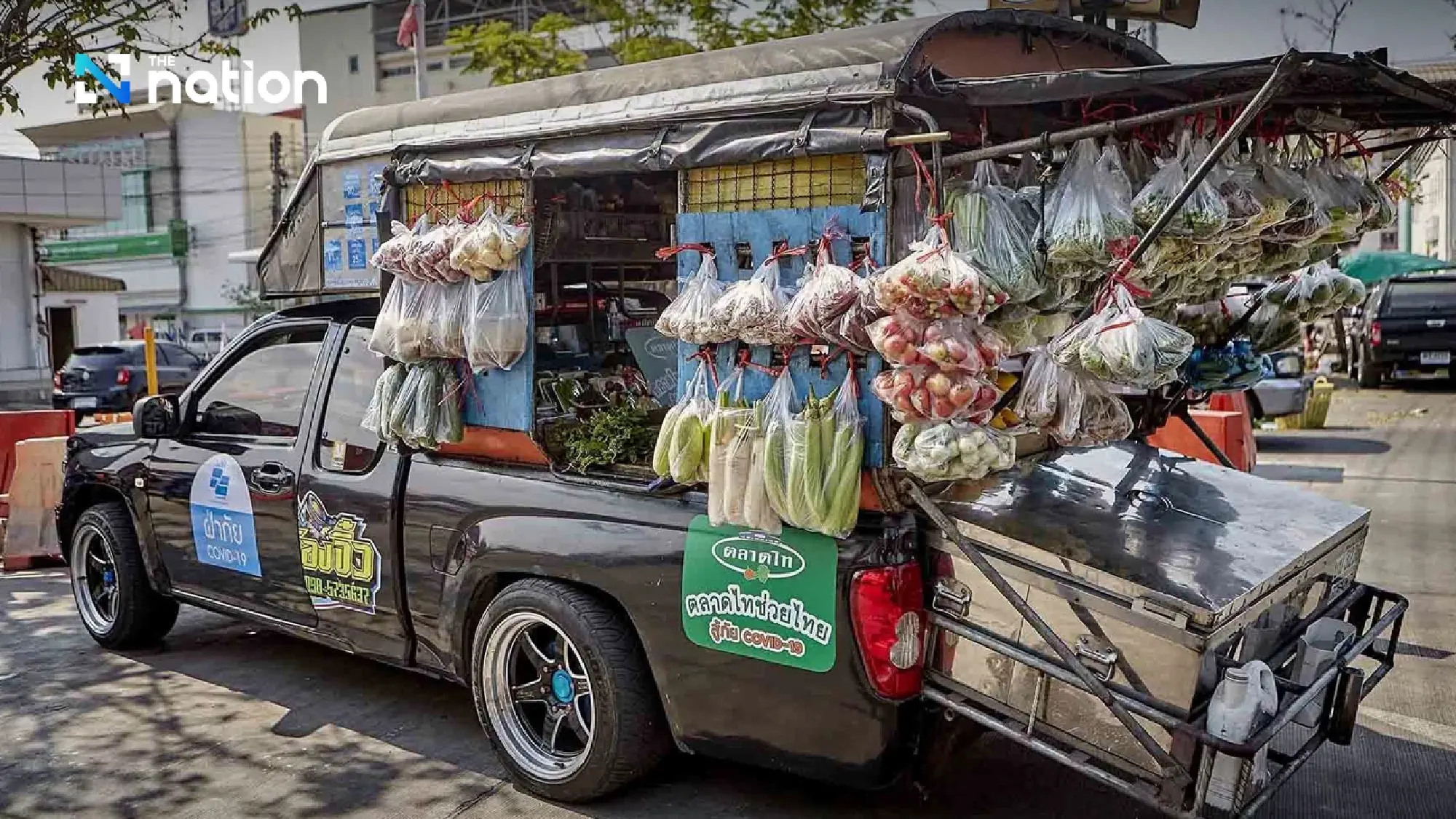 |
"Grocery store" on a pickup truck in Thailand. Photo: The Nation |
When vehicle prices are low, usage costs are reasonable, and supply is abundant, market demand strengthens over time, creating a virtuous cycle of development between policy, production, and consumption.
Moreover, traffic regulations for pickup trucks are more flexible compared to traditional trucks. This allows pickups to operate similarly to passenger cars without the restrictions imposed on larger trucks within urban areas, significantly expanding their range of use.
Pham Hai