The race for market share in Canada is intensifying as two of China's largest brands seek to build dealership networks there.
Information from a consultant tasked with laying the groundwork indicates that companies are negotiating to establish branded dealerships across the country, marking a serious move into a significant market previously inaccessible to Chinese automakers. However, the number of vehicles allowed under import quotas may be insufficient to sustain numerous dealerships in Canada.
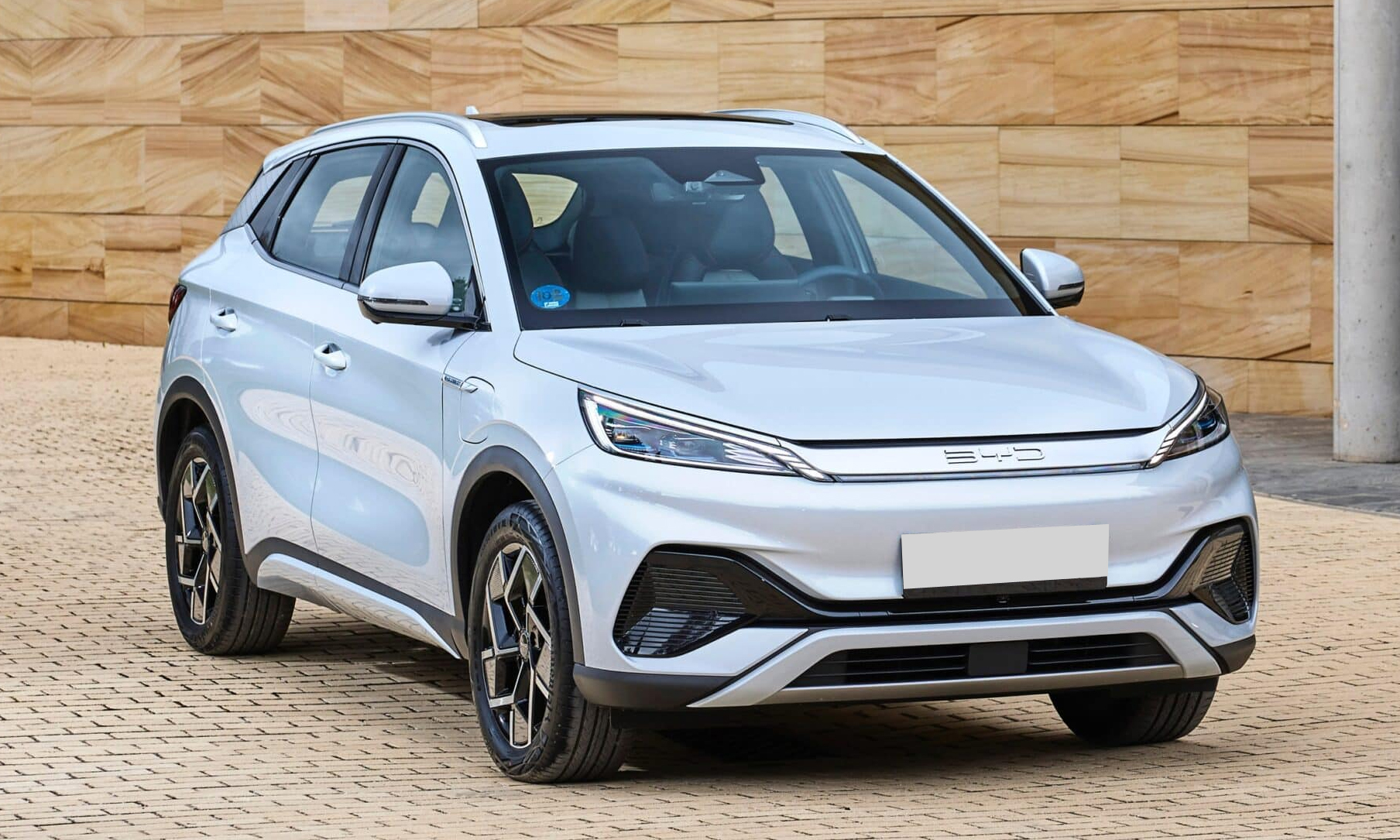 |
The BYD Atto 3, one of the Chinese brand's models sold in many overseas markets. *Actualidad Motor*
The initial strategy involves starting in the Toronto metropolitan area, then expanding west and east to cities such as Vancouver, Montreal, and Calgary. Negotiators indicate BYD aims to establish approximately 20 dealerships within its first year of operation. This would provide China's largest automaker with a strong presence in Canada's largest urban markets, where electric vehicle demand continues to rise as consumers seek more affordable alternatives.
This information comes from Farid Ahmad, CEO of Dealer Solutions Mergers & Acquisitions, a consulting firm that has discussed three potential BYD locations, according to the Globe and Mail. Ahmad added that several Chinese manufacturers, including Chery, are also interested in establishing a presence in Canada.
Canada recently restructured its tariff regime for Chinese-made electric vehicles by implementing a quota allowing 49,000 units to be imported into Canada at a significantly reduced tariff of 6,1%. This policy shift changes the calculus for companies like BYD and Chery, which previously faced high barriers hindering their market expansion.
In January, Canada agreed to reduce import tariffs on Chinese electric vehicles from 100% to 6,1% in exchange for China lowering tariffs on Canadian canola, lobster, crab, and peas.
The electric vehicle import quota will increase to 70,000 units within five years – with over half expected to sell for under USD 35,000 – and is anticipated to attract Chinese joint venture investment into Canada's electric vehicle supply chain within three years. However, the 49,000 unit limit is relatively small compared to Canada's total annual vehicle sales of 1,8 million units.
With lower import costs due to the quota, entering the Canadian market becomes more feasible. However, several steps remain before any vehicles appear in showrooms. Regulatory approvals, dealership agreements, financial structures, and service networks all need to be established.
Sources indicate that while discussions are ongoing, BYD has not yet announced an official launch date. The company has not publicly disclosed its timeline or the specific models it prioritizes for the Canadian market.
Industry analysts anticipate BYD and Chery's entry into Canada's electric vehicle market will transform prices and competition within the sector. This market has long been dominated by established North American, European, and South Korean brands.
My Anh