Years ago, electric vehicle buyers often worried about battery pack longevity. However, battery technology has advanced significantly since EVs became widespread. A new study from Sweden now offers concrete data on remaining battery capacity after 62,000 miles (approximately 100,000 km) of operation, with results that may surprise many.
The study, conducted by online car marketplace Carla, analyzed 9,954 electric vehicle battery packs sold in Sweden between 2022 and 2026. Carla utilized Aviloo diagnostic equipment to measure actual battery degradation, rather than relying on in-car display data. This distinction is crucial, as dashboard readings can sometimes present a more optimistic picture than reality.
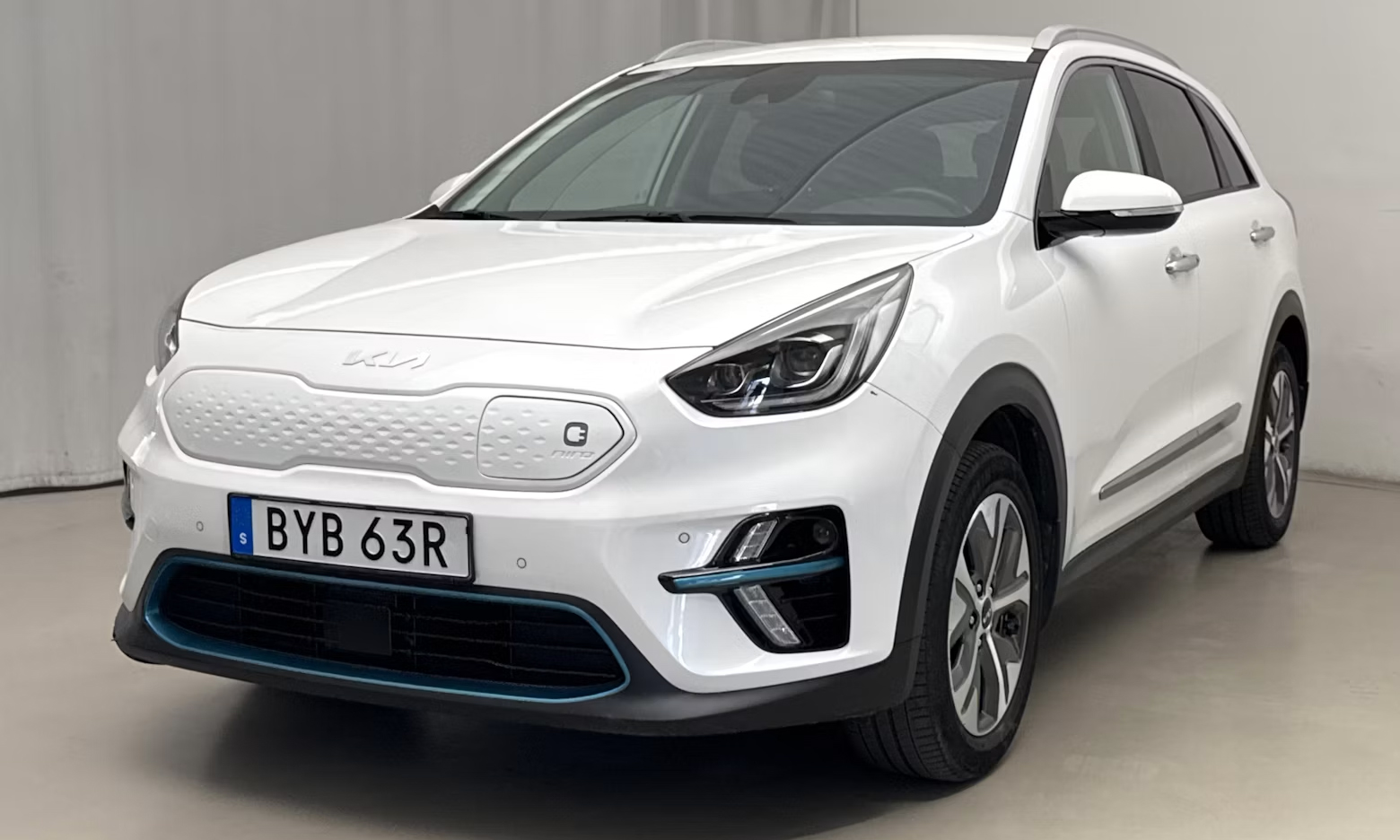 |
Kia e-Niro electric vehicle in Sweden. Photo: KVD
The Kia e-Niro emerged as the top performer, retaining 97.25% of its original battery capacity after 100,000 km. This model shares its 64 kWh battery pack with the Hyundai Kona, which followed closely with 97.18% retention. The Hyundai Group dominated the top three, with the Kia EV6 (77.4 kWh battery version) also making a strong showing.
Among European electric vehicles, the Volvo XC40 Recharge, with its 69 kWh CATL battery, performed best, maintaining 94.70% of its capacity. The Polestar 2 (78 kWh CATL battery) was a close second at 94.35%. The BMW i3 and the Polestar 2 variant with an LG Chem battery secured the next spots, achieving 93.77% and 93.53% respectively.
Tesla's highest-ranking model was the Model 3 LFP version, featuring a 60.5 kWh CATL battery, which retained 93.34% of its capacity. This performance slightly surpassed that of the Model 3 version equipped with an LG Chem NMC battery, which achieved 91.5%.
Other models that made it into the top 20 included: the Audi e-tron 50 and 55 (93.02% and 92.93%), Skoda Enyaq iV (92.88%), Tesla Model S (92.80%), Volkswagen ID.4 (92.77%), and Tesla Model X (92.52%).
The study's most significant finding is that concerns about premature battery degradation are largely unfounded. Every model ranked maintained over 90% of its capacity after 100,000 km of travel—a distance most owners cover in 3-4 years. Modern battery packs now boast a lifespan long enough to potentially outlast the vehicles they power.
My Anh