According to Nikkei, Toyota will extend the sales cycle for its core models from seven years to an average of nine years. The company will also focus on electrification and maintaining product value through software updates.
Software-defined vehicles can offer better performance without new hardware. This represents a shift from the industry's current business model, where new features are simultaneously integrated into a refurbished car.
A 9-year average cycle for a new model is unusually long for Toyota. Previously, comprehensive overhauls of core models typically occurred about five years. However, as oto performance improved in the 2000s, this timeframe was gradually extended to seven years.
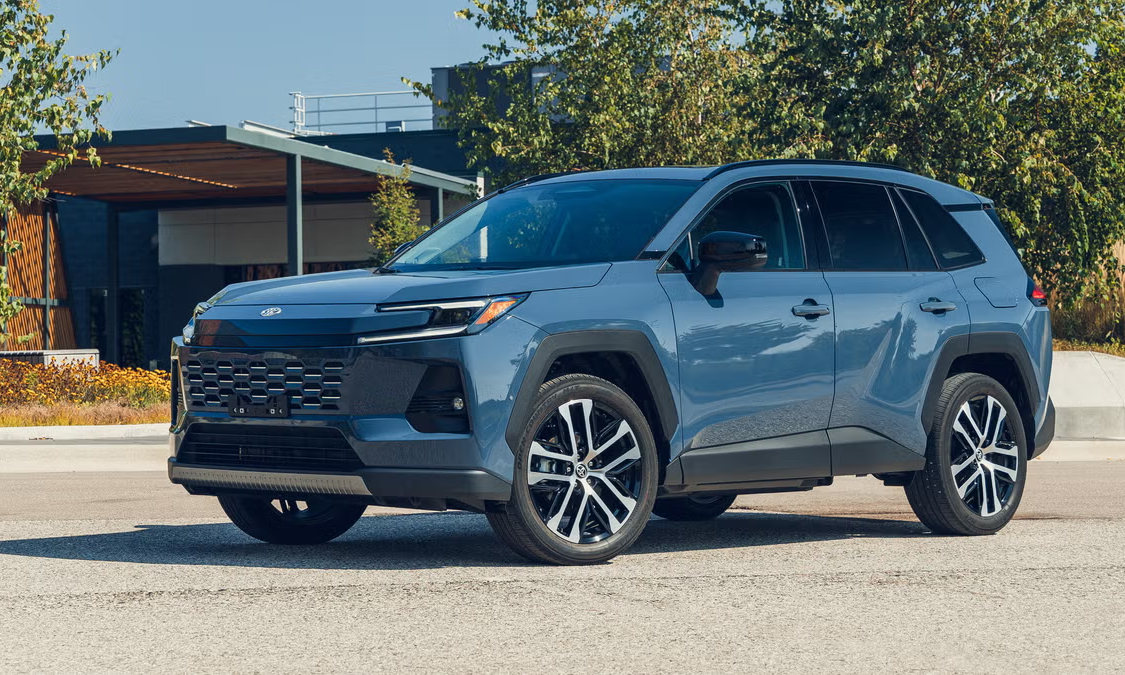 |
The new generation Toyota RAV4 is set to launch in 2027, seven years after its predecessor. Photo: Car and Driver
For example, the RAV4 sport utility vehicle sees a new generation after about seven years. The exact length of the product cycle is expected to vary depending on the specific model.
Toyota faces many orders, causing long delivery times and suspended orders. The company's Land Cruiser SUV can take years from order placement to delivery, by which time the next version might have already been released. A longer sales cycle increases popular model availability and boosts used vehicle resale values.
With a longer sales cycle, Toyota will re-evaluate the wholesale prices it sets for dealers. These prices typically decrease over time after a model's launch. In the future, wholesale prices will be set more flexibly, depending on the model and sales performance.
Dealers' main revenue comes from the difference between wholesale and actual selling prices, which can be discounted for customers. While wholesale prices gradually decrease over time after a vehicle's launch, discounts also become more common when sales become challenging.
While extending the product cycle, Toyota is adopting a revenue model to maintain vehicle value through updates, including advanced software and features. They will still implement significant model changes, such as feature and exterior styling enhancements.
Among Japanese oto manufacturers, Honda typically overhauls its models every six to seven years, while Nissan sometimes takes nearly 10 years for a change. Tesla updates its models approximately every three to five years, whereas emerging Chinese oto manufacturers sometimes make changes annually or more frequently.
Toyota will extend the change cycle for its main models. However, for models exclusively offered in regions like China, the company will continue to develop products to suit local market conditions.
Most of the approximately 230 Toyota-affiliated dealerships in Japan operate independently. Some dealers have expressed opposition to the wholesale price adjustments, arguing that this would pressure dealer profits. Toyota explained that the average wholesale price over nine years will not change.
My Anh