Traffic surveillance systems are expanding, notably with the introduction of controversial camera systems from Flock Safety. As these artificial intelligence-integrated license plate recognition devices become more prevalent, they are increasingly targeted by malicious actors, with motivations extending beyond privacy concerns.
According to Futurism, Google's AI Overviews feature has recently and repeatedly claimed that Flock cameras contain significant amounts of gold and copper. In reality, these devices hold only trace amounts of these metals, similar to any other consumer electronic product.
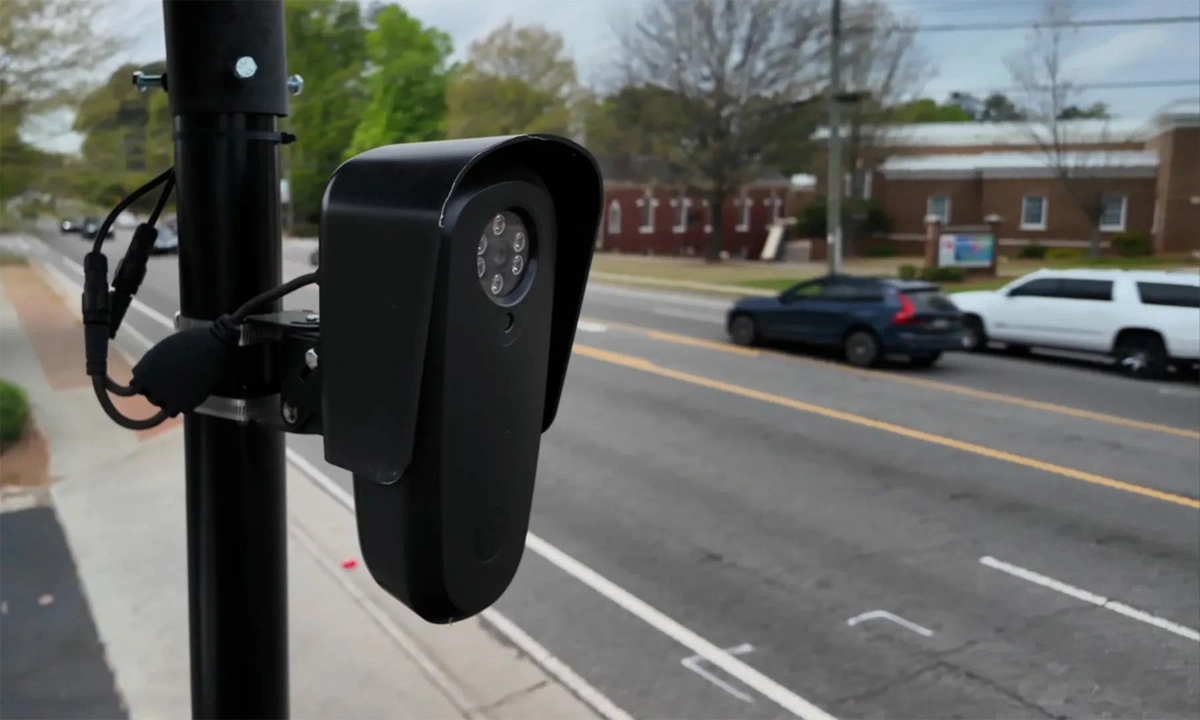 |
A Flock brand license plate recognition camera. Photo: KNOE 8 News |
Previously, when users searched Google for "how much gold in Flock camera", the AI tool asserted that each device "contains approximately 1-5 grams of gold in its internal circuits and wiring". If this information were accurate, each camera would possess gold valued at USD 140-700.
Furthermore, AI Overviews also stated that each camera contains 0.9-10.4 kg of copper. Futurism highlighted this as entirely illogical, considering the total weight of a Flock camera is only about 1.3 kg.
The incident originated from jokes circulating within online privacy communities. Some users semi-seriously suggested that the purported value of precious metals inside the cameras offered an additional incentive to destroy them. Google's AI appears to have "fallen into a trap", citing data from an anonymous account and a fabricated AI post on Instagram.
Beyond serving as a reminder of the caution needed when seeking information using AI tools, this incident also brings the Flock camera system into focus.
Flock markets its services as a crime-fighting tool, utilizing a network of cameras that record and analyze passing vehicles. Law enforcement agencies contracted with Flock use its database of license plate and other vehicle data to track or reconstruct vehicle movements during criminal investigations.
However, in recent weeks and months, a different network has emerged: a widespread pattern of opposition across the country. Opponents include state officials and individuals, spanning major US cities and rural areas, according to CNN.
Citizens have actively resisted, using chainsaws to cut down Flock Safety surveillance cameras in northern New York, throwing paint on them in Oakland, California, and ramming them with trucks in Idaho. One man in Florida even sat in a folding chair, using cardboard on a pole to obstruct a camera's view. City governments have also taken action, disabling cameras or canceling contracts with Flock in locations such as Fort Collins, Colorado; Eugene, Oregon; Madison, Wisconsin; Knoxville, Tennessee; Syracuse, New York; and Walla Walla, Washington.
Opponents argue that these systems violate citizens' privacy, a concern substantiated by reports of police using the system to track ex-lovers and colleagues. Therefore, even if Flock cameras assist in crime resolution, the infringement on personal freedom remains the paramount issue.
My Anh