The Ministry of Construction (Bo Xay dung) in Vietnam has officially classified "range-extended electric vehicles" (EREV) for the first time. This classification is specified in Circular 45/2026, which amends and supplements Circular 53/2024 on the classification of road vehicles, and will take effect from 1/7.
EREV, also known as Range-Extended Electric Vehicle (REEV) depending on the manufacturer, is a type of battery electric vehicle (BEV) that includes an internal combustion engine. This engine acts solely as a generator, supplying power to the electric motor or recharging the battery. The vehicle's propulsion is entirely electric motor-driven; the internal combustion engine does not directly drive the wheels.
A key condition for EREV definition is that the internal combustion engine must not be manually activated by the driver when the battery's state of charge (SoC) is above the limit allowing pure electric operation. Exceptions apply for special modes related to maintenance, safety, or inspection as defined by the manufacturer. Additionally, the all-electric range (AER) under the New European Driving Cycle (NEDC) must meet specific requirements:
An AER of 250 km or more classifies a vehicle as an EREVeb (electric-based). An AER between 150 km and under 250 km classifies it as an EREVep (electric priority). These AER figures (150 km, 250 km) indicate the vehicle's capability to run purely on electric power without the internal combustion engine activating the generator for battery charging, assuming a full battery.
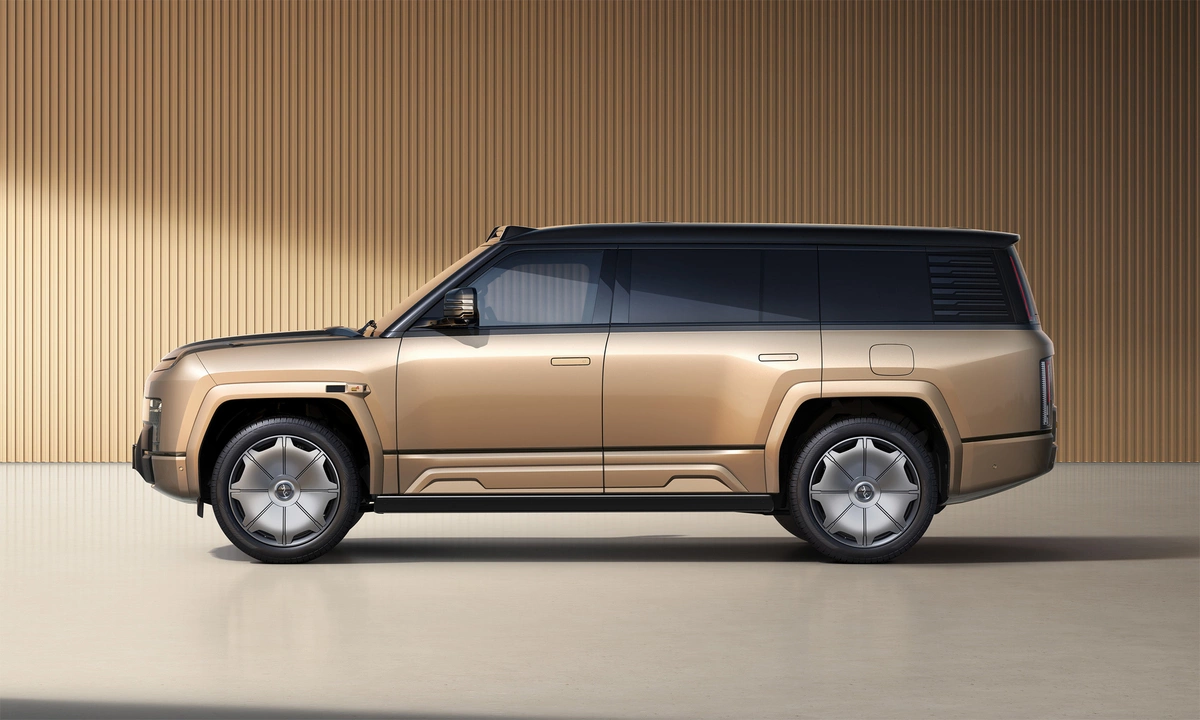 |
YangWang U8L, an EREV model in China. Photo: BYD |
The primary benefit of an EREV is extending the operating range of a BEV, reducing reliance on external charging infrastructure. Currently, no EREV models are officially distributed in Vietnam. However, VinFast is highly likely to introduce this type of vehicle in the future.
Previously, the Nissan Kicks in the Vietnamese market featured a similar drivetrain to an EREV. However, with a battery capacity of 2,06 kWh, its pure electric range would likely not meet the EREV requirements outlined in Circular 45.
Beyond EREVs, Circular 45/2026 also outlines seven other types of electrified vehicles, categorized by the electric motor's involvement in the overall drivetrain. This detailed classification provides a basis for relevant authorities to establish regulations, such as those concerning special consumption tax, registration fees, or other rules for electrified vehicles. The seven other electrified vehicle types include:
Mild Hybrid Electric Vehicle (MHEV): This represents the lowest level of hybrid technology. The electric motor assists the internal combustion engine when the vehicle is stationary or accelerating but does not operate independently. Suzuki models like the XL7 and Swift exemplify this type.
Full Hybrid Electric Vehicle (FHEV): This is the most common hybrid configuration in the market today, found in many Japanese, Korean, and Chinese models. This hybrid type further divides into three categories: series, parallel, and mixed. The electric motor can operate independently, and the battery is not externally charged. Among these hybrid configurations, the series type uses only the electric motor to drive the vehicle, representing a lower tier of EREV. Parallel and mixed types combine both electric motor and internal combustion engine propulsion, depending on the manufacturer's setup.
Plug-in Hybrid Electric Vehicle (PHEV): This is an advanced form of FHEV, where the battery's stored electricity can be supplemented by an external power source. PHEV batteries are typically larger than FHEV batteries, offering a greater all-electric range. PHEVs often utilize series or mixed drivetrain configurations. In Vietnam, Chinese vehicles from brands like BYD, Geely, and Lynk & Co are prominent in this segment. To achieve a driving experience similar to pure electric vehicles (with rapid acceleration), these manufacturers often prioritize the series drivetrain, meaning the vehicle is primarily motor-driven for most of the time.
Battery Electric Vehicle (BEV): This vehicle type is entirely driven by an electric motor, with its battery charged exclusively from external sources. VinFast currently dominates this segment in Vietnam.
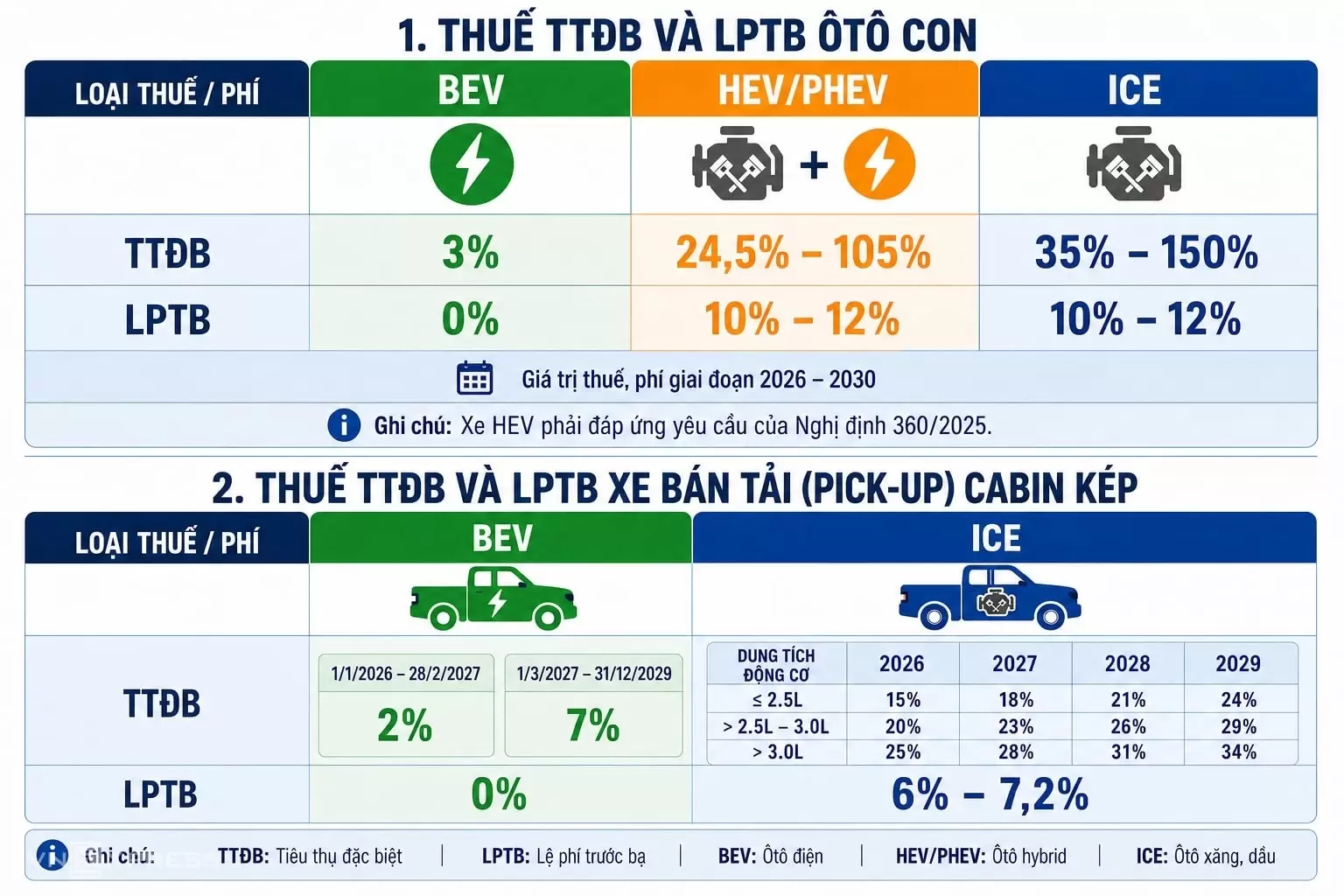
The government is encouraging the development of Vietnam's electrified vehicle market through various tax and fee incentives. Specifically, these include:
 |
Thanh Nhan