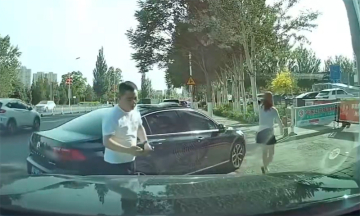
Tragic accidents are on the rise in Vietnam, often occurring when drivers back into pedestrians on sidewalks, roads, or, most distressingly, into children playing in residential yards. These incidents could be easily prevented if drivers adopted the simple habit of circling their vehicle for a few seconds before setting off.
While many countries mandate a pre-drive walk-around as part of driver's license training and testing, Vietnam lacks this regulation. Here, students typically enter the vehicle and immediately start driving. Consequently, because this practice is not taught, few drivers adopt it in real-world situations. This essential safety check remains an uncommon, proactive habit.
Despite modern vehicles featuring advanced technologies like reverse sensors, 360-degree cameras, and blind spot monitoring systems, these aids cannot fully replace a driver's direct visual assessment. Once seated, a driver's field of vision is significantly restricted by blind spots, particularly the areas directly adjacent to the front and rear bumpers, and underneath the vehicle.
Failing to conduct a direct visual inspection can expose drivers to several potential hazards:
Low-level obstacles: Items such as misplaced bricks, potted plants, or sharp objects near tires can cause immediate damage, leading to dented bumpers or punctured tires as soon as the vehicle moves.
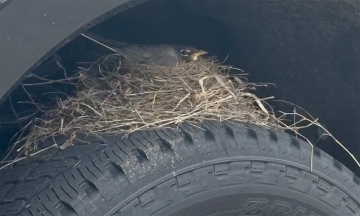
Hiding animals: During hot weather or cold, rainy days, the underside of a car offers shelter for cats and dogs. An unexpected departure risks injuring these animals or trapping them within the vehicle's drive components.
Children playing nearby: This poses the most severe and terrifying risk. Young children, especially toddlers, often play hide-and-seek, use toys near wheels, or inadvertently drop items and stoop to retrieve them directly beneath the car. Due to their small stature, children become entirely invisible from all rearview mirrors once a driver is seated in the cabin.
To cultivate this action into a natural reflex, drivers can adopt a quick, one-minute vehicle inspection routine, following these steps:
General observation: Circle the vehicle, starting from the driver's door, moving to the rear, and then to the front. Scan the ground for any obstacles, oil puddles, or unusual fluid leaks emanating from the car.
Check blind spots: Bend down for a quick glance under the vehicle and into the wheel wells, confirming no animals or children's toys are present or trapped.
Assess tires: Visually inspect all four tires for proper inflation and to ensure no nails or sharp objects are embedded.
Remind family members: If children are playing in the yard, confirm they are in a safe location, visible to another adult, before you enter the vehicle.
Even when moving at just a few kilometers per hour in a home yard, an automobile is a multi-ton machine with significant kinetic force. Any oversight in a confined residential space can carry a high cost.
Taking a moment to circle your vehicle will not delay you, but it offers control and peace of mind. Cultivate this habit before every journey, ensuring the safety of your family and others.
Nguyen Vu