


On 15/5, during an interview with Bloomberg, US Trade Representative Jamieson Greer predicted that China would sign agreements to purchase an additional "tens of billions of US dollars" in US agricultural products following the summit between President Donald Trump and President Xi Jinping in Beijing.
Greer stated that last October, both sides signed an agreement for China to buy 25 million tons of soybeans annually. The US, therefore, expects to "see agreements for tens of billions of US dollars in additional agricultural products each year over the next three years, thanks to this visit". He added, "This is the total amount. It includes not only soybeans but also other products."
Earlier, in an interview with Fox News broadcast on 14/5, President Trump also affirmed, "China will buy more of our agricultural products."
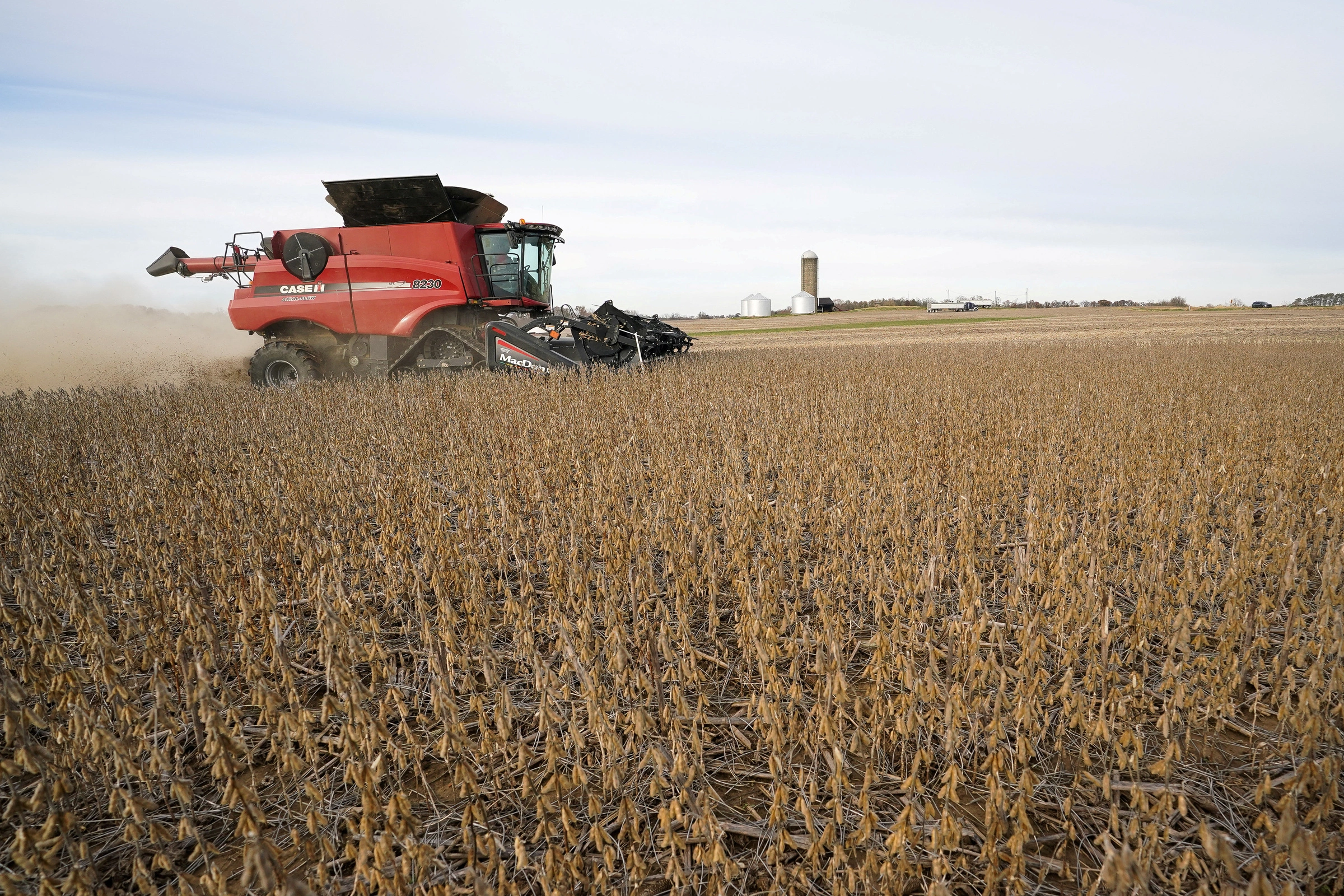 |
Soybeans are harvested in a field in Indiana, US, in 11/2019. Photo: Reuters |
It remains unclear which specific commodities will be part of this "tens of billions of US dollars" package and if soybeans will be included. Analysts and traders suggest that last year's soybean agreement might also be part of the program. That agreement alone was valued at over 10 billion US dollars.
Soybeans are currently the largest US export to China, the world's leading importer of the product. Soybeans have also played a crucial role in trade negotiations throughout President Trump's two terms. Greer confirmed that China is upholding its commitment to purchase soybeans, and Washington anticipates additional purchases later in the year.
"Tens of billions of US dollars doesn't say much, but 'late in the year' implies China will not buy old-crop soybeans," an Asian trader commented. In February, President Trump had mentioned the possibility of China buying an additional 8 million tons from the recently harvested US crop. However, traders now believe this possibility is very low.
Ahead of the summit, the market did not expect Beijing to increase its soybean purchase target beyond 25 million tons. This view was further solidified after US Minister of Finance Scott Bessent's statement on 14/5, where he suggested that the current agreement had already resolved the issue.
Traders are closely monitoring the potential reduction of import tariffs on soybeans. Such a move could help private Chinese oilseed crushers resume purchasing US soybeans. Last year, they halted purchases of the product for several months due to high import tariffs. At that time, only Chinese state-owned enterprises continued buying.
Ha Thu (via Reuters)


